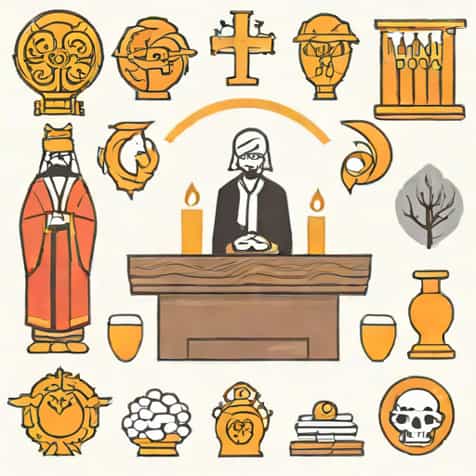
Across the world, traditions, rituals, and funerary practices hold deep significance in human societies. These customs reflect cultural identity, spiritual beliefs, and social values, and they serve as a bridge between the living and the deceased. Respecting these practices is not only a matter of etiquette but also a recognition of the dignity, beliefs, and heritage of others. In a multicultural and interconnected world, understanding and honoring the diversity of funerary rituals helps foster empathy, social cohesion, and a deeper appreciation for the richness of human culture.
The Importance of Traditions in Funerary Practices
Traditions form the backbone of funerary practices. They guide the community on how to mourn, celebrate, or commemorate the life of the deceased. These customs can include specific prayers, ceremonial clothing, music, or symbolic acts that provide comfort and structure during grief. By adhering to traditions, societies maintain a sense of continuity, connecting the past, present, and future generations.
Cultural Significance
Funerary traditions are often deeply embedded in the culture of a community. For instance, in many Asian cultures, ancestral worship is a central aspect of funerary rituals, emphasizing respect for forebears and maintaining family lineage. In contrast, Western cultures may focus on memorial services and eulogies, reflecting individual achievements and personal legacies. Recognizing these differences helps to appreciate that each tradition carries profound meaning for those who practice it.
Emotional and Psychological Role
Rituals and traditions also serve a therapeutic function. Mourning and funeral practices provide structured ways for individuals and communities to express grief, process loss, and find closure. Symbolic acts such as lighting candles, offering flowers, or reciting prayers create a sense of participation and shared experience. This collective engagement in traditions strengthens emotional resilience and fosters communal support.
Respecting Funerary Rituals
Respecting funerary rituals involves understanding and honoring the customs, practices, and spiritual beliefs associated with death and mourning. This respect is essential in a multicultural society where multiple traditions coexist. Ignoring or dismissing these practices can lead to cultural insensitivity, social conflict, and emotional harm to grieving families.
Understanding Rituals
Before participating or attending a funeral, it is crucial to educate oneself about the rituals involved. This includes learning about
- Dress codes and appropriate attire
- Gestures and behaviors considered respectful
- Timing and sequence of ceremonial activities
- Special prayers, chants, or symbolic acts
By understanding these aspects, individuals can show genuine respect and avoid unintentionally causing offense.
Participation and Observance
In many cases, respectful participation involves following instructions provided by the family or community leaders. Observing silence at key moments, refraining from photography if prohibited, and participating in collective rituals when invited are all ways to honor the deceased and their family. Active and mindful engagement demonstrates empathy and solidarity during a sensitive time.
Global Funerary Practices
Funerary practices vary widely across cultures, each with unique traditions that carry spiritual, social, and emotional significance. Understanding global diversity in these rituals highlights the importance of respect and adaptability.
Asian Traditions
In countries such as Japan and China, funerals often include rituals like incense offerings, chanting sutras, and ancestral memorial services. These practices honor both the deceased and their lineage, emphasizing the continuation of family bonds beyond death. Respecting these rituals requires acknowledgment of the spiritual dimension and careful adherence to prescribed ceremonial behaviors.
Western Traditions
In Western societies, funerals may involve religious services, eulogies, and memorial gatherings. These rituals focus on celebrating the life of the deceased, offering condolences, and supporting the grieving family. Participants are expected to maintain decorum, dress appropriately, and engage in communal mourning, reflecting shared social values.
Indigenous and Tribal Customs
Indigenous communities often incorporate nature, music, and oral storytelling into funerary practices. These rituals can include rites of passage, symbolic burials, and communal feasts. Respecting these customs entails recognizing the sacred relationship between the community, the environment, and the spiritual beliefs that guide these ceremonies.
Challenges in Multicultural Contexts
In multicultural societies, navigating funerary practices can be complex. Families may encounter neighbors, colleagues, or friends with different traditions. It is essential to approach such situations with sensitivity, openness, and a willingness to learn. Misunderstandings or cultural insensitivity can cause unintended offense and emotional distress.
Guidelines for Respect
- Ask politely about customs if unsure
- Observe and follow the lead of family or community leaders
- Avoid imposing personal beliefs or practices
- Offer support through gestures that are universally understood, such as expressing condolences
These guidelines help maintain respect while navigating diverse funerary traditions, fostering harmony and empathy.
The Ethical Dimension of Respect
Respecting funerary rituals is not only a cultural expectation but also an ethical responsibility. Treating the deceased and their customs with dignity reflects a broader commitment to human respect and moral consideration. Ethical observance acknowledges the humanity of others, values their beliefs, and upholds the integrity of communal and cultural life.
Education and Awareness
Raising awareness about global funerary traditions through education, cultural exchange, and community programs can enhance understanding and respect. Schools, workplaces, and social organizations can play a role in promoting cultural literacy, helping individuals recognize the significance of traditions and rituals in times of mourning.
Preserving Heritage
Respecting funerary customs also supports cultural preservation. Rituals, songs, prayers, and ceremonial practices are often passed down through generations, forming a crucial part of cultural heritage. By honoring these traditions, communities maintain continuity, identity, and collective memory, ensuring that these practices endure over time.
Traditions, rituals, and funerary practices are fundamental expressions of human culture, spirituality, and social values. Respecting these practices is essential for honoring the deceased, supporting grieving families, and fostering understanding across diverse communities. By educating ourselves about cultural norms, observing ceremonies mindfully, and engaging with empathy, we uphold both ethical responsibility and cultural appreciation. In doing so, we contribute to a society that values dignity, preserves heritage, and recognizes the profound significance of traditions in the human experience of life and death. Respecting funerary customs is more than a social expectation; it is a reflection of our shared humanity and the recognition that every culture has meaningful ways of celebrating, mourning, and remembering those who have passed.