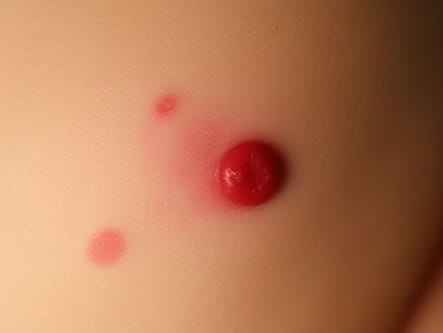
Newborn skin conditions are a common source of concern for parents and caregivers, especially when pustular or erythematous lesions appear shortly after birth. Among the most frequently observed benign neonatal skin eruptions are Transient Neonatal Pustular Melanosis (TNPM) and Erythema Toxicum Neonatorum (ETN). Despite their harmless nature, these conditions can be alarming due to their appearance. Understanding the distinguishing features, onset, progression, and management of TNPM and ETN is essential for healthcare providers to reassure parents and provide accurate care.
Overview of Transient Neonatal Pustular Melanosis (TNPM)
Transient Neonatal Pustular Melanosis is a benign, self-limiting skin condition commonly observed in neonates, particularly in infants of African descent. TNPM typically presents at birth or within the first few days of life and is characterized by pustules that rupture easily, leaving behind pigmented macules surrounded by a subtle erythematous halo. The condition is non-infectious and generally does not cause discomfort to the infant.
Clinical Features of TNPM
- Pustular LesionsSmall, superficial pustules that may be vesiculopustular in appearance.
- Post-Pustular PigmentationFollowing rupture, lesions leave hyperpigmented macules that may persist for several weeks.
- DistributionCommonly seen on the forehead, chin, neck, and back, but can appear on extremities as well.
- Absence of SymptomsInfants are usually asymptomatic and exhibit no signs of systemic illness.
Diagnosis of TNPM
Diagnosis of TNPM is primarily clinical, based on the characteristic pustular lesions with post-pustular hyperpigmentation. Laboratory testing is rarely necessary, but a Gram stain or smear of the pustular fluid can show neutrophils without bacterial organisms, confirming its sterile nature. TNPM should be distinguished from infectious pustular disorders such as neonatal herpes or bacterial infections.
Management of TNPM
No specific treatment is required for TNPM. The condition resolves spontaneously over 2-3 weeks, with the pigmented macules fading over several months. Parents should be reassured about the benign nature of the condition and advised to avoid vigorous scrubbing or application of harsh topical agents.
Overview of Erythema Toxicum Neonatorum (ETN)
Erythema Toxicum Neonatorum is another common benign rash observed in neonates, typically appearing within the first 24-48 hours after birth and sometimes up to two weeks. ETN is more prevalent in full-term infants and tends to occur in approximately half of all newborns. Unlike TNPM, ETN presents with erythematous macules, papules, and pustules, often giving a blotchy or transient pattern across the skin.
Clinical Features of ETN
- AppearanceRash consists of small erythematous macules, papules, and occasional pustules.
- DistributionFrequently appears on the face, trunk, and proximal limbs, sparing the palms and soles.
- CourseLesions are transient, often appearing and disappearing over hours to days.
- Infant Well-beingInfants are asymptomatic, with no fever or systemic involvement.
Diagnosis of ETN
ETN is diagnosed clinically by its characteristic erythematous rash with occasional pustules. A Wright or Gram stain of pustular contents reveals eosinophils, distinguishing ETN from TNPM, which shows neutrophils. Awareness of the benign course of ETN helps differentiate it from infectious or inflammatory neonatal skin conditions.
Management of ETN
ETN requires no treatment and typically resolves within one to two weeks. Supportive care includes gentle skin hygiene and reassurance to parents. No topical or systemic therapy is indicated, as the condition is self-limiting and does not cause discomfort.
Key Differences Between TNPM and ETN
Although both TNPM and ETN are benign neonatal skin conditions, several clinical differences help distinguish between them
- OnsetTNPM is present at birth, whereas ETN typically appears within 24-48 hours after birth.
- Lesion TypeTNPM presents with vesiculopustular lesions that rupture to leave hyperpigmented macules; ETN features erythematous macules, papules, and occasional pustules without persistent pigmentation.
- DistributionTNPM commonly affects the forehead, chin, and extremities; ETN predominantly affects the trunk and proximal limbs, sparing palms and soles.
- CytologyTNPM pustules show neutrophils, while ETN pustules contain eosinophils.
- DurationTNPM may leave post-pustular pigmentation for weeks, while ETN resolves completely within one to two weeks.
Clinical Implications
Recognizing the differences between TNPM and ETN is essential for pediatricians and dermatologists to avoid unnecessary interventions. Both conditions are self-limiting and do not require pharmacologic treatment. Misdiagnosis can lead to unnecessary laboratory tests, antibiotic use, or parental anxiety. Educating parents about the benign nature of these rashes is a critical aspect of neonatal care.
When to Seek Medical Advice
While TNPM and ETN are harmless, parents should seek medical advice if the newborn presents with any of the following
- Fever or systemic symptoms such as lethargy or poor feeding
- Rapidly spreading or worsening lesions
- Pustules with purulent discharge, crusting, or signs of secondary infection
- Unusual distribution affecting palms, soles, or mucous membranes in atypical patterns
Transient Neonatal Pustular Melanosis and Erythema Toxicum Neonatorum are two of the most common benign neonatal skin eruptions. Although their appearances may alarm parents, both conditions are harmless and self-resolving. TNPM is present at birth, characterized by pustules that leave pigmented macules, while ETN appears within days, presenting as erythematous macules, papules, and pustules that resolve quickly. Distinguishing between the two relies on careful observation of onset, lesion type, distribution, and cytology. Understanding these differences is crucial for clinicians to provide appropriate reassurance, avoid unnecessary interventions, and ensure optimal neonatal care.