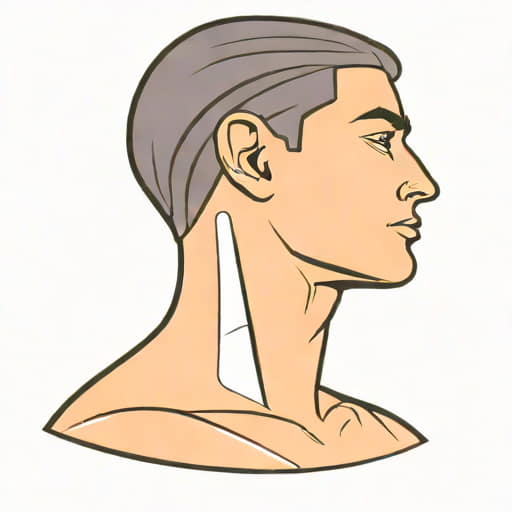
A neck hump, often referred to as a dowager’s hump or buffalo hump, is a visible curvature or swelling at the base of the neck, just above the shoulders. It can be caused by poor posture, excessive use of electronic devices, obesity, osteoporosis, or certain medical conditions such as Cushing’s syndrome. A neck hump can lead to discomfort, stiffness, chronic pain, and reduced mobility in the neck and upper back. Understanding the causes, symptoms, and treatment options is essential for effectively managing this condition and preventing it from worsening. With proper interventions, lifestyle adjustments, and medical guidance, it is possible to reduce the appearance of a neck hump and restore proper posture. In this topic, we will explore comprehensive treatment options for a neck hump, including conservative management, exercises, medical interventions, and preventive strategies.
Understanding Neck Hump
A neck hump develops due to an accumulation of fat, muscle weakness, or structural changes in the spine. Prolonged poor posture, especially slouching or leaning forward while using computers and mobile devices, can cause the upper spine to curve, leading to a noticeable hump. In other cases, fat accumulation due to obesity or hormonal imbalances can create a rounded appearance at the base of the neck. Bone-related conditions such as osteoporosis may also contribute to spinal curvature, especially in older adults. Early identification of the underlying cause is critical for selecting the appropriate treatment strategy.
Symptoms Associated with Neck Hump
While a neck hump is primarily a visible change in the upper back, it can be accompanied by several symptoms that affect comfort and mobility. Common symptoms include
- Visible bump or curvature at the base of the neck
- Neck and upper back pain or stiffness
- Limited range of motion in the neck and shoulders
- Headaches caused by muscle tension
- Fatigue in the upper back muscles from supporting poor posture
- Difficulty wearing certain clothing due to the hump
These symptoms may worsen over time if the underlying cause is not addressed, making early treatment essential.
Conservative Treatments for Neck Hump
Most cases of neck hump can be managed effectively with non-invasive interventions aimed at improving posture, strengthening muscles, and reducing pain. Conservative treatments are typically the first approach before considering medical or surgical options.
Posture Correction
Correcting posture is a key component of treatment for a neck hump. Maintaining an upright posture while sitting and standing helps redistribute weight and reduces strain on the upper back muscles. Tips for posture correction include
- Keep shoulders relaxed and aligned with the hips
- Position computer screens at eye level to avoid leaning forward
- Take frequent breaks from prolonged sitting or device use
- Engage core muscles to support spinal alignment
Physical Therapy and Exercises
Physical therapy can help strengthen weak muscles and improve flexibility, which reduces the appearance of a neck hump over time. Common exercises include
- Chin tucks to strengthen neck muscles and improve alignment
- Thoracic extension exercises to counteract forward curvature
- Shoulder blade squeezes to strengthen upper back muscles
- Stretching routines for the chest, shoulders, and neck to relieve tightness
- Core strengthening exercises to support overall posture
Regular practice of these exercises under the guidance of a physical therapist can gradually improve posture and reduce hump formation.
Weight Management and Nutrition
In cases where fat accumulation contributes to a neck hump, weight management is essential. A balanced diet combined with regular exercise can reduce excess fat in the upper back and neck area. Key strategies include
- Consuming nutrient-dense foods with high protein and fiber
- Limiting processed foods, sugary drinks, and excess calories
- Engaging in cardiovascular exercise such as walking, swimming, or cycling
- Incorporating resistance training to build muscle and improve posture
Medical Treatments for Neck Hump
For neck humps caused by medical conditions, targeted treatments are necessary to address the underlying issue. Consultation with a healthcare provider is essential for proper diagnosis and management.
Hormonal and Metabolic Treatment
If a neck hump is caused by hormonal imbalances, such as Cushing’s syndrome, treatment may include medication to regulate hormone levels or surgical intervention to address tumors affecting cortisol production. Proper management of metabolic disorders can prevent further fat accumulation and associated hump formation.
Bone Health Management
In cases related to osteoporosis or vertebral compression, medications to strengthen bones, calcium and vitamin D supplementation, and lifestyle adjustments can slow progression. Preventing further spinal curvature is key to managing a neck hump caused by skeletal issues.
Minimally Invasive Procedures
In some cases, liposuction or other minimally invasive procedures may be considered to remove excess fat contributing to a visible neck hump. These procedures are generally recommended after conservative measures have been attempted and for patients with persistent cosmetic concerns.
Preventive Strategies
Preventing a neck hump involves a combination of lifestyle modifications, ergonomic adjustments, and proactive muscle conditioning. Key strategies include
- Maintaining proper posture during sitting, standing, and walking
- Using ergonomic chairs and adjustable desks to support spinal alignment
- Limiting prolonged use of electronic devices with the head tilted forward
- Incorporating daily stretches and strengthening exercises for the neck and upper back
- Regular physical activity to maintain overall fitness and muscle balance
- Monitoring bone health through regular check-ups and supplementation if needed
Long-Term Management and Lifestyle Considerations
Managing a neck hump is an ongoing process that requires consistent attention to posture, exercise, and underlying health conditions. Long-term management strategies include routine physical therapy, regular exercise to maintain spinal flexibility, and ongoing monitoring of weight and bone health. Patients are encouraged to set reminders to check posture during daily activities and to integrate ergonomic practices into their work and home environments. Lifestyle adjustments, combined with medical care when necessary, can significantly reduce pain, improve appearance, and restore mobility.
When to Seek Professional Help
It is important to consult a healthcare provider if a neck hump is associated with chronic pain, stiffness, or neurological symptoms such as tingling, numbness, or weakness in the arms. Sudden or rapidly growing humps should be evaluated promptly to rule out underlying medical conditions. Early intervention increases the effectiveness of both conservative and medical treatments and can prevent further complications.
Treating a neck hump involves a comprehensive approach that combines posture correction, physical therapy, exercises, weight management, medical interventions, and preventive strategies. Early recognition of the cause, whether related to poor posture, fat accumulation, or medical conditions, is essential for selecting the appropriate treatment plan. Physical therapy and regular exercise strengthen muscles, improve flexibility, and gradually reduce the appearance of a hump. Medical treatments address hormonal or skeletal causes, while lifestyle modifications and ergonomic adjustments prevent recurrence. By following a consistent and structured management plan, individuals with a neck hump can alleviate pain, restore mobility, enhance appearance, and maintain long-term spinal health.