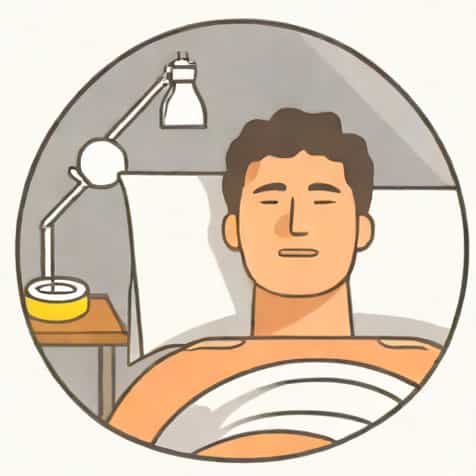
When someone falls into a coma, it is natural for family members and friends to wonder if the person can hear them. The uncertainty surrounding consciousness and awareness during a coma can be distressing, as loved ones try to communicate, comfort, or encourage recovery. Medical science offers insights into how the brain functions in these states, while anecdotal accounts and research suggest that some level of auditory perception may remain. Understanding whether a person in a coma can listen or respond to sounds is crucial for emotional support, rehabilitation strategies, and the overall approach to patient care.
Understanding Coma and Consciousness
A coma is a state of prolonged unconsciousness in which a person cannot be awakened, does not respond to stimuli, and cannot perform voluntary actions. It typically results from severe brain injury, stroke, infection, or other medical conditions affecting brain function. The level of brain activity and consciousness varies depending on the severity and location of the injury. Some patients may progress from deep coma to lighter states of awareness, while others may remain unresponsive for extended periods.
The Role of the Brain in Auditory Perception
The brain’s auditory system involves several regions, including the cochlea in the inner ear, the auditory nerve, and areas of the brain responsible for processing sound. Even in a coma, certain brain functions may remain active, allowing the person to detect sounds or vibrations. While conscious responses may not be observable, the brain can sometimes register familiar voices, music, or other auditory cues. This capacity for perception forms the basis for therapeutic approaches that incorporate sound stimulation to support recovery and cognitive engagement.
Scientific Evidence on Hearing in Coma
Research indicates that some comatose patients may retain the ability to hear, at least partially. Functional MRI and EEG studies have shown that the brain can respond to auditory stimuli even when outward signs of consciousness are absent. These responses suggest that the brain may process familiar voices, music, or other sounds, which could have a calming or stimulating effect. While not every patient experiences this, and responses can vary widely, it underscores the importance of assuming auditory perception and communicating with care and intention.
Anecdotal Accounts and Observations
Family members and caregivers often report that patients in a coma appear to recognize voices or respond to familiar sounds in subtle ways. Some patients, upon regaining consciousness, recall hearing conversations, music, or words of encouragement. These accounts suggest that emotional and familiar content, such as the voices of loved ones, may reach deeper levels of awareness. Although memory and perception in coma are complex and not fully understood, these observations support the idea that communication remains meaningful even without observable reactions.
Therapeutic Approaches Using Auditory Stimulation
Healthcare professionals often incorporate sound as part of rehabilitation and therapy for comatose patients. Strategies include
- Talking to the PatientFamilies are encouraged to speak to their loved ones, reading stories, expressing love, or providing reassurance.
- Playing Familiar MusicMusic therapy can engage neural pathways, evoke memories, and promote emotional and cognitive stimulation.
- Recorded MessagesPre-recorded messages from family members may be played to provide consistent auditory input when caregivers are unavailable.
- Environmental SoundsNatural sounds, such as birdsong or gentle water, can create a calming atmosphere that may support brain function and recovery.
Potential Benefits of Auditory Interaction
Even if the patient cannot respond outwardly, talking, singing, or playing familiar sounds can have psychological and neurological benefits. These interactions may help reduce stress, encourage neural activity, and maintain a sense of connection. Families often find comfort in continuing communication, knowing that their presence and words may reach their loved one at some level. Moreover, auditory stimulation can play a role in broader therapeutic plans, complementing physical therapy, nutrition, and medical care.
Considerations for Caregivers
Caregivers should approach communication with patients in a coma with patience, empathy, and consistency. While it is not possible to guarantee that the patient can hear or understand, maintaining regular verbal interaction is recommended. Considerations include
- Using calm, familiar voices to provide reassurance.
- Repeating important messages or comforting phrases to reinforce familiarity.
- Avoiding loud, abrupt, or distressing sounds that may create stress.
- Incorporating positive, emotionally meaningful content, such as personal stories or favorite music.
- Collaborating with healthcare professionals to integrate auditory stimulation into therapy plans.
Emotional Support and Connection
For families, speaking to a loved one in a coma is as much about their own emotional well-being as the patient’s. Maintaining dialogue, playing familiar music, or reading letters can preserve a sense of connection and hope. Knowing that the patient may still perceive sound provides comfort and encourages continued engagement, fostering an environment conducive to both emotional and neurological recovery.
While the full extent of auditory perception in coma is not completely understood, evidence suggests that patients may hear and register familiar voices, music, and other sounds. This understanding encourages families and caregivers to maintain communication, provide reassurance, and use auditory stimulation as part of therapeutic strategies. By speaking, playing music, or incorporating meaningful sounds, caregivers can support the emotional and neurological environment of the patient. Recognizing the potential for hearing in coma underscores the importance of empathy, consistency, and care, offering hope and connection during a profoundly challenging experience. Ultimately, assuming that a person in a coma can listen can enhance both patient care and family resilience, bridging the silent gap created by unconsciousness.