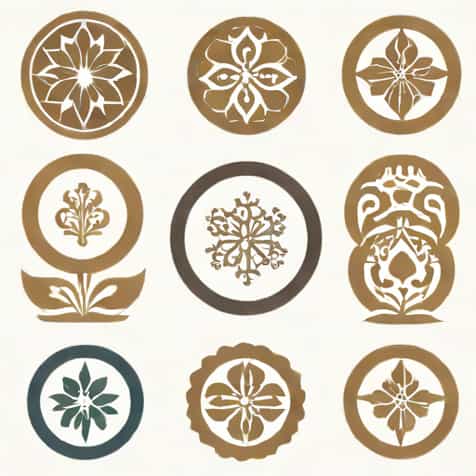
The word arabesque carries both artistic and physical connotations, making it a versatile term in English. Whether referring to intricate decorative patterns found in art and architecture or a poised ballet position, knowing how to use arabesque in a sentence can enhance both writing and speech. The term adds sophistication and specificity, helping readers and listeners visualize patterns, movements, or forms with clarity. Understanding its meanings, contexts, and grammatical applications is essential for effective communication. In this topic, we will explore the different uses of arabesque, provide examples in sentences, and offer guidance for proper usage in writing and conversation.
Definition of Arabesque
Arabesque has multiple definitions depending on context. In art and design, it refers to a complex, ornate pattern often consisting of intertwined lines, floral motifs, or geometric shapes. These designs are commonly found in Islamic art, European decorative art, and architecture. In dance, particularly ballet, arabesque describes a position where a dancer stands on one leg with the other leg extended horizontally behind the body, creating a graceful, elongated line.
Understanding these definitions is key to using the word correctly in sentences. In general, arabesque conveys elegance, complexity, and precision, whether describing visual patterns or physical movement.
Using Arabesque in Art and Design Sentences
When using arabesque in an art context, it typically functions as a noun or adjective describing ornamental design. Here are examples of usage
- The ceiling was adorned with elaborate arabesque patterns that reflected centuries of craftsmanship.
- She purchased a vase decorated with a golden arabesque motif that shimmered in the light.
- The architect incorporated arabesque elements into the building’s facade, creating a sense of rhythm and harmony.
- The museum’s collection featured paintings with arabesque details, drawing attention to the intricate designs.
- The invitation card had an arabesque border, giving it a luxurious and elegant appearance.
Using Arabesque in Ballet and Dance
In dance, arabesque is often used to describe a pose or movement characterized by balance, poise, and line. Here are some examples
- The ballerina held an arabesque position perfectly, her extended leg creating a flawless line.
- During the recital, he performed a series of arabesques that impressed the audience with his control and grace.
- Practicing arabesque positions strengthens the dancer’s back and improves overall balance.
- She transitioned smoothly from a plié into an arabesque, demonstrating years of training and discipline.
- The choreographer emphasized arabesque extensions to highlight the fluidity of the performance.
Combining Arabesque with Other Descriptive Elements
Arabesque can be combined with adjectives and other descriptive words to enhance imagery in both art and dance contexts. For instance
- The intricate arabesque patterns on the tapestry created a mesmerizing effect.
- Her arabesque pose was elegant, yet powerful, capturing the audience’s attention.
- The arabesque designs on the door panels reflected traditional craftsmanship.
- He maintained a perfect arabesque, exuding both grace and strength.
- The arabesque carvings on the wooden frame highlighted the artisan’s attention to detail.
Using Arabesque in Complex Sentences
Once comfortable with basic usage, arabesque can be incorporated into compound or complex sentences for richer descriptions
- The dancer held an arabesque position while spinning slowly, captivating the audience with her fluid motion.
- Although the building was modern, it incorporated subtle arabesque patterns that paid homage to traditional design.
- He admired the arabesque carvings on the antique furniture, which had survived centuries in excellent condition.
- The ballerina’s arabesque combined precision and emotion, creating a moment of pure artistry on stage.
- The gallery showcased a variety of arabesque-inspired artworks, each reflecting different interpretations of the theme.
Common Mistakes with Arabesque
One common mistake is confusing arabesque with similar words like artesque or using it to describe something that is merely decorative without complexity or flow. To use arabesque correctly
- Ensure the context reflects either intricate design or a ballet position.
- Do not use arabesque to describe simple or plain patterns-it implies elegance and complexity.
- In dance, avoid using it to describe generic movements; it specifically refers to a pose or line.
- Check your sentence structure so that it clearly identifies the noun or adjective form.
Tips for Mastering Arabesque in Writing
To make the most of arabesque in writing and speaking
- Pair it with visual or emotional descriptors to enhance imagery.
- Use it in both singular and plural forms depending on context arabesque patterns, arabesques in ballet.
- In academic or professional writing, clarify whether it refers to artistic design or dance to avoid confusion.
- Practice constructing sentences that highlight elegance, balance, and intricacy.
- Read literature or art criticism where arabesque is commonly used to familiarize yourself with natural phrasing.
Examples Across Different Contexts
Here are additional examples demonstrating flexibility of arabesque in sentences
- She sketched an arabesque design inspired by traditional Moorish architecture.
- The dancer’s arabesque was so high and controlled that the judges gave her perfect marks.
- During the renovation, craftsmen recreated arabesque patterns on the arches, restoring the historical charm.
- He admired the arabesque motifs carved into the stone walls of the ancient palace.
- Her arabesque leap across the stage seemed to defy gravity and time.
Using arabesque in a sentence requires understanding its dual meanings in art and dance, as well as its connotations of elegance, complexity, and poise. Whether describing intricate designs, graceful ballet movements, or sophisticated patterns, arabesque adds depth and vividness to writing and speech. By practicing simple, compound, and complex sentences, pairing it with descriptive words, and avoiding common mistakes, you can master its use effectively. Properly incorporating arabesque enhances both creative and formal communication, making it a valuable term for writers, speakers, and artists alike.