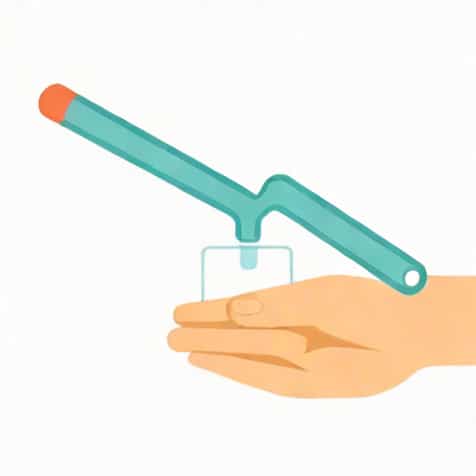
In many laboratory and educational settings, simple tools play an important role in helping people understand basic scientific processes. One of these tools is the transfer pipette, a small device often made of plastic that allows liquid to be moved from one container to another. When discussing microbiology or cell culture at an introductory level, the idea of using a transfer pipette to inoculate a sample frequently comes up. This concept can sound complex, but when explained clearly and without technical jargon, it becomes much easier to understand for general readers and students.
What Is a Transfer Pipette?
A transfer pipette is a basic liquid-handling instrument designed to move small amounts of fluid. Unlike more advanced laboratory pipettes, transfer pipettes are usually disposable and do not provide precise volume measurements. They are commonly used in classrooms, demonstration labs, and simple experiments where approximate amounts are sufficient.
The design is straightforward a narrow stem connected to a squeezable bulb. When the bulb is pressed and released, liquid is drawn into the stem and can then be released elsewhere. This simplicity makes the transfer pipette ideal for basic inoculation tasks where ease of use is more important than high precision.
Understanding Inoculation in Simple Terms
Inoculation refers to the introduction of a small amount of material into a new environment so that it can grow, react, or be observed. In scientific contexts, this material may be a liquid sample containing cells or microorganisms, but the concept itself is broader. At its core, inoculation is about transferring something from one place to another in a controlled way.
Using a transfer pipette to inoculate a sample allows this transfer to happen gently and efficiently. The goal is to introduce the sample without disturbing the surrounding environment more than necessary, which helps maintain consistency and reliability in observations.
Why Transfer Pipettes Are Often Chosen
Transfer pipettes are commonly chosen for inoculation in basic settings because they are inexpensive, easy to handle, and disposable. These qualities reduce the need for complex cleaning procedures and lower the risk of cross-contamination between samples. For learners, this simplicity helps focus attention on the concept of inoculation rather than on mastering complicated equipment.
The Role of Control and Clean Handling
Even at a conceptual level, control is an important idea when using a transfer pipette to inoculate a sample. Control does not necessarily mean precision to the smallest unit, but rather consistency in how the tool is used. Applying the same approach each time helps ensure that results are comparable.
Clean handling is another key principle. Transfer pipettes are often designed for single use to minimize unintended mixing of materials. This practice supports accurate outcomes and reinforces the importance of cleanliness in scientific work, even in non-professional environments.
Common Situations Where Transfer Pipettes Are Used
Transfer pipettes appear in many learning and demonstration scenarios. In classrooms, they are frequently used to show how samples are introduced into growth media or testing solutions. In these cases, the focus is on visual understanding rather than detailed measurement.
They are also used in hobby science, basic environmental testing, and simple biology kits. In all of these situations, the act of inoculating a sample with a transfer pipette demonstrates how scientists introduce variables into an experiment while attempting to keep other factors unchanged.
Educational Value for Beginners
For beginners, using a transfer pipette to inoculate a sample helps build confidence. The tool is unintimidating and forgiving, allowing learners to practice careful movement and observation. This experience lays the groundwork for understanding more advanced techniques later on.
Limitations of Transfer Pipettes
While transfer pipettes are useful, they do have limitations. They are not designed for precise measurements, and the amount of liquid transferred can vary depending on how the bulb is squeezed. This means they are not suitable for experiments that require strict accuracy.
Understanding these limitations is part of learning how scientific tools are chosen. A transfer pipette is ideal for simple inoculation tasks, but more specialized equipment is used when precision and repeatability are critical.
Safety Awareness and Responsible Use
Safety awareness is an important part of any discussion about inoculation, even when described at a general level. Using a transfer pipette responsibly means recognizing that samples should be handled with care and respect. This includes following basic safety guidelines appropriate to the setting, such as wearing protective gear when required and disposing of materials properly.
In educational contexts, safety instruction often accompanies demonstrations of inoculation. This reinforces good habits early and helps learners understand that even simple tools are part of a larger system of responsible practice.
Developing Good Laboratory Habits
Using a transfer pipette to inoculate a sample is not just about moving liquid; it is also about developing habits that support reliable work. Paying attention to consistency, cleanliness, and observation helps create a mindset that values careful handling.
These habits translate well beyond the use of transfer pipettes. They form the foundation for more advanced laboratory skills and encourage thoughtful engagement with scientific processes.
Why This Technique Remains Relevant
Despite the availability of advanced laboratory instruments, transfer pipettes remain widely used because they meet a specific need. Their simplicity makes them accessible, and their versatility allows them to be used in many different contexts. When explaining basic inoculation, they serve as an excellent example of how simple tools can achieve meaningful results.
By understanding the general principles behind using a transfer pipette to inoculate a sample, readers gain insight into how scientists introduce and study materials in controlled environments. This knowledge supports scientific literacy and helps demystify laboratory work.
Building Understanding Through Simple Tools
Learning about inoculation does not require detailed technical instructions to be meaningful. Instead, focusing on concepts such as transfer, control, and observation provides a solid understanding of the process. Transfer pipettes embody these ideas in a clear and approachable way.
As an educational tool, the transfer pipette shows that science often begins with small, careful actions. By appreciating the role of simple instruments, readers can better understand how complex discoveries are built from basic techniques and thoughtful practice.