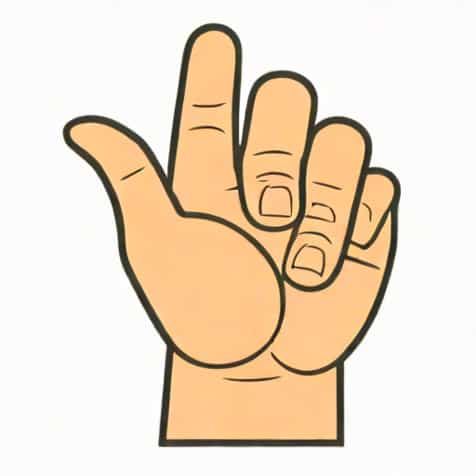
Many people experience muscle tension from daily activities such as working at a desk, exercising, or carrying stress in their bodies. While professional massage therapy can be helpful, simple self-care techniques are also widely used to ease discomfort. One common and accessible method is using the thumb and forefinger to squeeze muscles. This approach is often practiced intuitively, yet when done with awareness and proper technique, it can become a useful way to relax tight areas and improve body awareness.
Understanding the Basic Idea Behind Muscle Squeezing
Using the thumb and forefinger to squeeze muscles is a hands-on technique that involves gently pressing and lifting muscle tissue between the fingers. Unlike broad pressure methods that use the palm or fist, this technique targets smaller muscle groups and specific tight spots. It allows for more precision and control, making it suitable for areas such as the neck, shoulders, forearms, hands, and calves.
The motion is usually slow and deliberate. The goal is not to cause pain, but to create a sensation of release. Many people find this method calming because it encourages them to focus on physical sensations rather than mental stress.
Why the Thumb and Forefinger Are Effective Tools
The thumb and forefinger are naturally strong and flexible, making them ideal for controlled pressure. They can adapt to different muscle sizes and shapes more easily than other parts of the hand. This adaptability is especially useful when working on muscles that are close to bones or joints.
Another advantage is sensitivity. The fingertips contain many nerve endings, allowing the person applying pressure to sense changes in muscle texture. This feedback helps adjust pressure and avoid discomfort.
Precision and Control
One of the key benefits of using the thumb and forefinger to squeeze muscles is precision. Instead of pressing a large area, this technique isolates small sections of muscle. This can be helpful for areas where tension tends to collect in knots or bands.
Because of this precision, the technique is often used in self-massage routines and basic bodywork practices.
Common Areas Where This Technique Is Used
This method can be applied to various parts of the body. Each area responds differently, so gentle experimentation is important.
-
Neck and shoulders, where stress often accumulates
-
Forearms and hands, especially for people who type or use tools
-
Calves, which can feel tight after walking or standing
-
Upper arms, particularly after physical activity
When using the thumb and forefinger to squeeze muscles in these areas, it is important to stay relaxed and breathe naturally.
Basic Technique for Muscle Squeezing
The basic technique is simple and does not require special equipment. Start by positioning the thumb on one side of the muscle and the forefinger on the opposite side. Gently squeeze the muscle between the fingers, lifting it slightly away from the bone if possible.
Hold the pressure for a few seconds, then slowly release. This motion can be repeated along the length of the muscle. Moving slowly allows the body to respond and reduces the risk of strain.
Pressure and Comfort
Pressure should always feel tolerable. Mild discomfort may occur when working on tight areas, but sharp pain should be avoided. Using the thumb and forefinger to squeeze muscles is meant to promote relaxation, not cause injury.
Listening to the body’s signals is essential. If an area feels sensitive or inflamed, it may be better to use lighter pressure or skip it altogether.
The Role of Awareness and Breathing
Awareness plays a major role in this technique. Paying attention to how the muscle feels before, during, and after squeezing helps guide the process. Some muscles may feel dense or resistant at first, then gradually soften.
Breathing deeply while applying pressure can enhance the experience. Slow breathing encourages relaxation and may make it easier for the muscle to release tension.
Mind-Body Connection
Using the thumb and forefinger to squeeze muscles is not just a physical action. It can also support the mind-body connection. By focusing on touch and sensation, many people feel more present and grounded.
This mindful aspect is one reason the technique is often included in relaxation routines.
Incorporating Muscle Squeezing Into Daily Life
One of the strengths of this method is convenience. It can be practiced almost anywhere, whether at home, at work, or during a break. Short sessions can still provide a sense of relief.
For example, gently squeezing the muscles in the hands and forearms during a workday may help counteract repetitive movements. In the evening, using the thumb and forefinger to squeeze muscles in the shoulders or calves can become part of a wind-down routine.
Common Mistakes to Avoid
While the technique is simple, there are some common mistakes that can reduce its effectiveness.
-
Using too much force, which can cause soreness
-
Moving too quickly without allowing the muscle to respond
-
Ignoring discomfort or pain signals
-
Holding tension in the hands while squeezing
Relaxing the hands and maintaining a steady rhythm can make a noticeable difference.
How Consistency Influences Results
Like many self-care practices, consistency matters. Using the thumb and forefinger to squeeze muscles occasionally can feel good, but regular practice may lead to greater awareness of tension patterns.
Over time, people often become better at identifying which areas need attention and how much pressure works best. This learning process helps refine the technique naturally.
Respecting Individual Differences
Every body responds differently. Some people prefer very light pressure, while others enjoy firmer contact. There is no single correct way to apply this technique.
Factors such as age, activity level, and personal sensitivity all play a role. Adapting the method to suit individual needs ensures a safer and more pleasant experience.
A Simple Tool for Everyday Care
Using the thumb and forefinger to squeeze muscles is a practical and approachable method for easing tension and increasing body awareness. It does not require special training or equipment, yet it encourages a thoughtful approach to physical comfort.
By practicing gentle pressure, staying attentive to sensations, and respecting the body’s limits, this technique can become a valuable part of everyday self-care. Its simplicity is what makes it effective, allowing people to reconnect with their bodies through mindful touch.