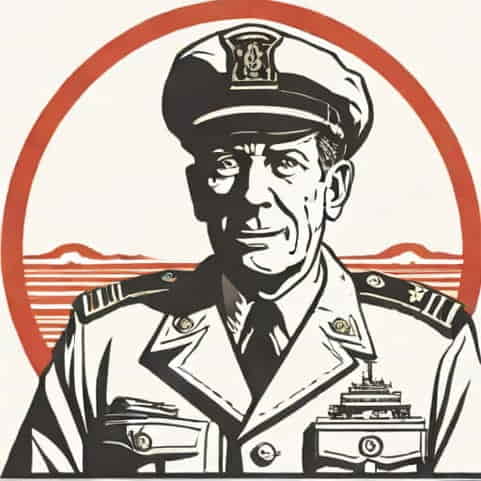
The sinking of the USS Indianapolis during World War II remains one of the most tragic and controversial naval disasters in American history. On July 30, 1945, after completing a top-secret mission to deliver components of the first atomic bomb to Tinian Island, the cruiser was torpedoed by a Japanese submarine in the Philippine Sea. Of the 1,195 crew members aboard, only 316 survived after days adrift in shark-infested waters. In the aftermath, the captain of the USS Indianapolis, Charles B. McVay III, became the center of controversy and blame, with many considering him a scapegoat for failures that were beyond his control. The story of Captain McVay highlights issues of leadership, accountability, and the complex nature of military justice during wartime, raising questions about fairness and responsibility in naval operations.
The USS Indianapolis Mission
The USS Indianapolis was a Portland-class heavy cruiser tasked with a critical mission during the final months of World War II. The ship transported highly classified components of the Little Boy atomic bomb to the island of Tinian in the Mariana Islands, where the bomb would later be assembled for use against Hiroshima. After successfully completing this mission, the Indianapolis began its return journey to Leyte in the Philippines. The importance and secrecy of the mission added immense pressure on the crew and officers, and any perceived errors in judgment would later be scrutinized in extreme detail.
The Torpedo Attack and Sinking
The Japanese Submarine Strike
On the night of July 30, 1945, the USS Indianapolis was struck by two torpedoes from the Japanese submarine I-58. The ship sank rapidly, within approximately 12 minutes, leaving hundreds of sailors trapped in the water without lifeboats or proper emergency equipment. The rapid sinking created confusion and panic, complicating rescue efforts and contributing to the high death toll.
Survival Struggles
The surviving crew faced horrific conditions in the open ocean, including dehydration, exposure to the sun, saltwater sores, and relentless shark attacks. Many sailors did not survive the four days before rescue arrived. The tragedy of the USS Indianapolis became compounded by the delay in reporting its sinking, which allowed the suffering to continue unnecessarily and highlighted systemic communication failures within the Navy.
Captain McVay and the Scapegoating Controversy
Initial Navy Investigation
In the aftermath of the disaster, the Navy sought to assign responsibility for the loss of the USS Indianapolis. Captain Charles B. McVay III was court-martialed in 1945 for hazarding his ship by failing to zigzag, a standard anti-submarine maneuver designed to make targeting more difficult for enemy submarines. Despite overwhelming evidence that other factors, such as delayed rescue reports and the enemy submarine’s skill, contributed to the disaster, McVay was found guilty of the minor offense.
Criticism and Public Perception
Many historians and survivors argue that Captain McVay was unfairly made a scapegoat for circumstances largely beyond his control. Factors such as the lack of escort ships, inadequate communication protocols, and the unique secrecy of the atomic mission were not considered sufficient mitigating factors during the court-martial. Over time, survivors and researchers criticized the Navy for targeting McVay while ignoring broader systemic failures that contributed to the tragedy.
Attempts at Exoneration
Decades later, survivors of the USS Indianapolis campaign, along with historians and advocates, pushed for recognition that Captain McVay was unjustly blamed. Testimonies highlighted that zigzagging may not have prevented the torpedo attack, as confirmed by the commander of the Japanese submarine, who testified that zigzagging would not have altered the outcome. In 2000, President Bill Clinton posthumously exonerated McVay, formally clearing his name and acknowledging the unfairness of the original court-martial.
Factors Leading to McVay Being Scapegoated
- Secrecy of the MissionThe top-secret delivery of atomic bomb components limited communication and support from other naval units.
- Delayed RescueFailures in reporting the ship’s missing status contributed to prolonged exposure of survivors to dangerous conditions.
- Standard Navy ProtocolsCaptain McVay was held accountable for failing to follow zigzagging protocols, despite evidence suggesting it would not have prevented the attack.
- Political and Public PressureThe Navy sought a tangible target for blame in the aftermath of one of the war’s deadliest maritime disasters.
- Enemy TestimonyLater evidence from the Japanese submarine commander indicated that McVay’s actions did not materially contribute to the sinking.
Legacy of Captain McVay
Recognition by Survivors
For many years, survivors of the USS Indianapolis fought to clear Captain McVay’s name, recognizing his leadership and dedication under extreme conditions. They argued that he demonstrated courage, maintained order during chaos, and did everything possible to save his crew. The posthumous exoneration served as a symbolic acknowledgment of his fairness, integrity, and the injustice he faced.
Impact on Naval Accountability
The case of Captain McVay remains a cautionary tale in military history. It highlights the risks of scapegoating individual leaders for systemic failures and the importance of thorough, evidence-based investigations. The exoneration emphasized the need for the Navy to consider context, operational constraints, and enemy actions when assigning responsibility, shaping subsequent approaches to accountability in the armed forces.
Lessons Learned from the USS Indianapolis Tragedy
- Importance of CommunicationTimely reporting and coordination are essential to prevent unnecessary loss of life.
- Systemic Failures vs. Individual BlameLeadership should be evaluated within the broader context of organizational procedures and constraints.
- Rescue PreparednessAdequate lifeboats, life vests, and emergency protocols are critical for maritime safety.
- Historical AdvocacySurvivor advocacy plays a crucial role in correcting historical injustices.
- Military Justice ReformThe McVay case has influenced discussions on fairness, transparency, and accountability in court-martial proceedings.
The story of the USS Indianapolis and Captain Charles B. McVay III serves as a poignant reminder of the human cost of war and the complexities of military accountability. McVay’s designation as a scapegoat, despite factors beyond his control, demonstrates the dangers of assigning blame without considering broader circumstances. His posthumous exoneration underscores the importance of justice and historical reevaluation, honoring both his leadership and the memory of the sailors who lost their lives. The legacy of the USS Indianapolis continues to educate military leaders, historians, and the public on the importance of leadership, fairness, and the profound consequences of naval disasters in wartime.