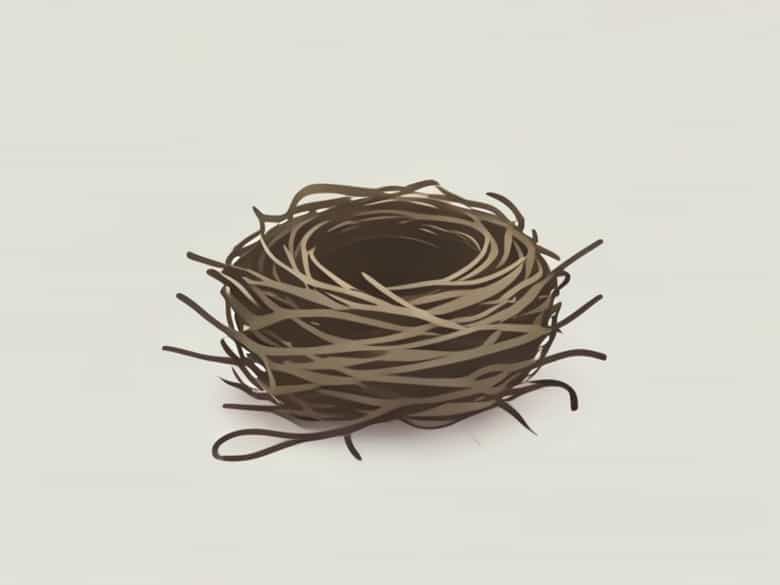
A nestling is a young bird that is still in the early stages of life, usually remaining in the nest under the care of its parents. Observing a nestling provides fascinating insight into the development of birds, as they often appear very different from adult birds in size, feathering, and behavior. Nestlings are typically small, fragile, and dependent, with features that indicate their stage of growth, such as soft down feathers, closed or partially open eyes, and underdeveloped wings. Understanding what a nestling looks like is essential for bird enthusiasts, wildlife researchers, and anyone interested in the natural life cycle of birds. Their appearance reflects both their vulnerability and the specialized care required to survive until fledging.
Physical Appearance of a Nestling
Nestlings vary in appearance depending on the species, but several common characteristics can help identify them. Generally, they are small in size and have a proportionally large head with a short, soft body. Their feathers are usually sparse or in the form of down, which provides warmth but not full protection for flight. The skin of nestlings can appear pinkish or yellowish, and some may show visible veins. Their eyes may be closed or just beginning to open, and their beaks are soft, often with a slightly larger gape to help them feed effectively from their parents.
Feather Development
- Down feathers Most nestlings are covered with soft, fluffy down instead of fully developed flight feathers.
- Emerging pin feathers Small, tubular feathers may start to appear as the bird grows.
- Coloration Nestling feathers are often duller than adult feathers to provide camouflage in the nest.
- Lack of wing and tail feathers These structures are underdeveloped until the fledgling stage.
Size and Proportions
Nestlings are often tiny compared to their parents, and their body proportions can look exaggerated. They tend to have
- Large heads relative to their body size.
- Short necks and stubby wings.
- Small legs and feet that are not fully functional for perching or walking.
- Soft, pliable beaks adapted for receiving food from parent birds.
Behavioral Traits of Nestlings
In addition to their physical traits, nestlings exhibit behaviors that reflect their dependency. They rely on parents for warmth, protection, and feeding. Nestlings are generally quiet or make small begging calls to signal hunger. They remain mostly immobile in the nest, huddling together for warmth and safety. Their survival depends on the attentiveness of their parents, who provide food and guard them from predators.
Feeding Behavior
- Begging calls Nestlings open their mouths wide and make noise to signal they need feeding.
- Gape reflex The bright color inside their mouths often triggers the parent to feed them.
- Dependency They cannot feed themselves and rely entirely on the adults.
Thermoregulation and Safety
- Huddling together Nestlings stay close to maintain warmth.
- Limited movement Staying in the nest reduces the risk of falling or predator attacks.
- Parental care Parents may shield nestlings from harsh weather and predators.
Stages of Nestling Development
Nestlings go through several stages before they become fledglings capable of leaving the nest. These stages influence their appearance and behavior
Early Stage
- Feathers mostly absent; body covered in down.
- Eyes often closed; entirely dependent on parents.
- Very small and fragile, unable to move or regulate body temperature effectively.
Middle Stage
- Feathers begin to grow; wing and tail feathers start forming.
- Eyes open, and nestlings become more responsive to their environment.
- Begging behavior becomes more noticeable as feeding needs increase.
Late Stage
- Feathers fully formed; body resembles adult birds more closely.
- Muscles and coordination develop, preparing for flight.
- Nestlings may start exploring the nest and practicing movements required for fledging.
Identifying Nestlings in the Wild
Recognizing nestlings in their natural environment requires careful observation. Their small size, downy feathers, immobility, and location in a nest or protected area are key indicators. It is important to avoid disturbing nestlings, as human interference can stress them or lead to abandonment by parents. Observing from a distance allows for safe study and appreciation of their development.
Key Identification Features
- Soft, downy feathers rather than fully developed plumage.
- Small size with disproportionate head and beak.
- Begging behavior and wide gape of the mouth.
- Location within a nest or protected environment.
- Limited mobility and reliance on parents for feeding.
Understanding what a nestling looks like involves recognizing the unique combination of physical features and behaviors that define this early stage of bird development. Nestlings are small, fragile, and covered in soft down feathers, often with partially opened eyes and underdeveloped wings. Their dependence on parental care for feeding, warmth, and protection is a defining characteristic. Observing nestlings provides insight into the critical stages of growth before they develop into fledglings capable of independent survival. Appreciating the appearance and behavior of nestlings enhances our understanding of avian life cycles and emphasizes the importance of protecting these vulnerable young birds in their natural habitats. Through careful observation and awareness, we can learn about their growth patterns, feeding habits, and the essential role of parental care in ensuring the survival of the next generation of birds.