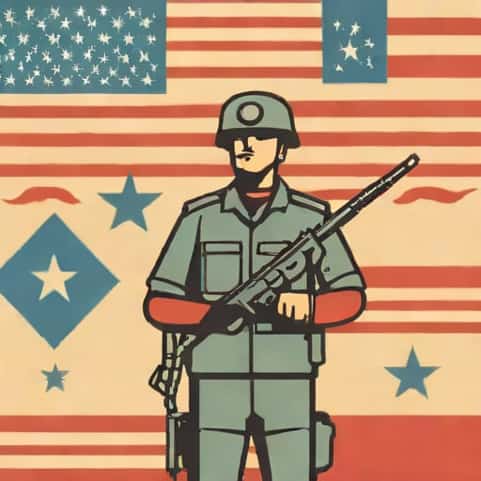
The phrase to Americanize the war has been used in historical and political discussions to describe the process by which the United States assumes a dominant role in a military conflict, often shifting the responsibility, strategy, and operational leadership from other nations to American forces. This concept gained particular prominence during World War I and World War II, when American troops, resources, and industrial capacity were decisive in shaping the course of battles and the broader outcome of the wars. To Americanize the war does not merely refer to the presence of American soldiers on the battlefield; it also encompasses the imposition of American military strategy, logistical support, technological innovations, and even cultural influence over allied forces. Understanding what it means to Americanize a war involves exploring its historical applications, strategic implications, and the impact on both domestic and international perceptions of the conflict.
Historical Context of Americanization in Warfare
The concept of Americanizing a war first emerged during World War I, when the United States entered a conflict that had already been raging in Europe for several years. Prior to America’s involvement, Allied forces, primarily British and French, had been sustaining the fight against the Central Powers at enormous cost. When American forces arrived, there was a shift in both numbers and morale, and American leaders began to exert influence over the overall military strategy. General John J. Pershing, for example, insisted that American troops fight as an independent force rather than being integrated into British or French units. This insistence reflected the broader meaning of Americanizing the war taking control of military operations, establishing leadership, and projecting American values and tactics onto the battlefield.
The Role of American Industry
Americanizing the war also involves the mobilization of industrial capacity and resources to support military objectives. During both World War I and World War II, the United States leveraged its vast industrial base to supply not only its own troops but also allied nations. Factories produced tanks, airplanes, munitions, and ships at unprecedented rates, allowing American forces to project power and sustain long-term campaigns. By supplying the necessary equipment, the United States could shape military engagements and even influence the strategies of its allies, further embedding the notion of Americanization. This economic and logistical dominance illustrates that Americanizing a war is not solely about combat operations but also about transforming the broader mechanisms of war.
Military Strategy and Leadership
When historians discuss what it means to Americanize a war, they often emphasize the strategic and leadership components. American military leaders bring distinctive doctrines, organizational methods, and approaches to coordination. For instance, during World War II, the United States emphasized combined arms operations, including coordinated use of air power, naval forces, and ground troops. These strategies often differed from those of European allies, who had developed their own approaches based on years of continuous fighting. By imposing American military methods, the United States altered the conduct of operations, sometimes accelerating campaigns and sometimes causing friction with allies who had different expectations or experience. Americanizing a war thus reflects both a practical reorganization of fighting forces and a cultural influence on the way wars are fought.
Training and Doctrine
- American military training programs emphasized mobility, adaptability, and technological integration, which often became standard in theaters where the U.S. led operations.
- Doctrine development, including rules of engagement and combined arms coordination, reflected American priorities and values, often differing from allied practices.
- Leadership styles, including decision-making processes and delegation of authority, highlighted American approaches to command and control.
Political and Diplomatic Implications
Americanizing a war carries significant political and diplomatic implications. When the United States takes a leading role in a conflict, it also assumes greater responsibility for the political outcomes of that war. Allies may rely on U.S. resources and strategy, while adversaries often adjust their tactics to counter American capabilities. Furthermore, the Americanization of a war can affect domestic politics, shaping public opinion about the conflict, influencing government policy, and justifying military expenditures. By embedding itself in both strategic and political dimensions, the United States can significantly influence the trajectory and resolution of a war.
Impact on Allies and Adversaries
- Allied nations often adjust their strategies to align with American leadership, creating a unified but American-influenced front.
- Adversaries may develop tactics specifically aimed at countering American technology, logistics, or doctrine.
- Americanization may also bring cultural influence, as military cooperation fosters exchanges of language, communication practices, and military traditions.
Critiques of Americanizing a War
While Americanization can strengthen military campaigns, it is not without criticism. Some historians argue that imposing American leadership and strategy can create tension among allies, leading to inefficiencies or disagreements about objectives. Additionally, relying heavily on American resources and capabilities may overshadow local contributions, causing resentment or dependency. Critics also note that Americanization can shift the perception of a conflict, portraying it as primarily an American endeavor even when other nations played critical roles. These critiques highlight the complexity of Americanizing a war, showing that it is as much a political and cultural process as it is a military one.
Examples of Tension
- During World War I, French and British commanders were initially wary of American insistence on independent operations for U.S. troops.
- In World War II, coordination between American and Soviet forces in Europe required delicate diplomacy to manage differing strategic goals.
- Modern conflicts, such as in Iraq or Afghanistan, illustrate challenges when American strategies do not align perfectly with coalition partners or local forces.
Modern Interpretations
In contemporary discourse, the term Americanize the war is often used in discussions of U.S. involvement in international conflicts, particularly when debates focus on the scope of American leadership, intervention, and resource allocation. Analysts examine whether Americanization leads to more effective outcomes or whether it risks overextension and alienation of allies. The concept is applied not only to traditional wars but also to counterinsurgency operations, peacekeeping missions, and multinational campaigns, highlighting its enduring relevance in strategic studies and political analysis.
Key Considerations Today
- Technological superiority and logistical capacity often define the ability to Americanize a war.
- Leadership and strategic doctrine continue to influence coalition operations and allied decision-making.
- Political and cultural dimensions of Americanization shape international perception and domestic support for military action.
To Americanize a war means far more than simply deploying U.S. soldiers into a conflict. It involves taking operational leadership, applying American military doctrine, leveraging industrial and technological resources, and influencing both political and cultural dimensions of the conflict. Historically, this concept was evident in World War I and World War II and remains relevant in modern conflicts where the United States assumes a central role. While Americanization can enhance effectiveness and unify allied operations, it also carries political, cultural, and ethical implications that must be carefully considered. Understanding what it means to Americanize a war provides insight into the ways in which the United States shapes not only the conduct of military campaigns but also the broader geopolitical landscape, reflecting its enduring influence in global conflicts.