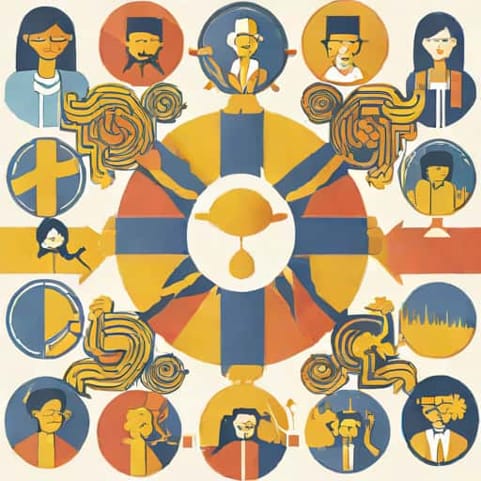
Intergroup interaction in the context of Mindanao is a complex social phenomenon that involves the relationships, conflicts, and cooperation between different cultural, religious, and ethnic groups within the region. Mindanao, the second-largest island in the Philippines, has historically been home to diverse communities, including the Muslim Moro population, indigenous peoples, and Christian settlers from other parts of the country. These groups have experienced varying degrees of coexistence, tension, and conflict over political, economic, and cultural issues. One of the most significant manifestations of intergroup interaction in Mindanao has been the secessionist movement, which seeks autonomy or independence for certain Muslim-majority areas. Understanding intergroup interaction in Mindanao and the dynamics of the secessionist movement provides valuable insights into peacebuilding, conflict resolution, and the broader social and political development of the region.
Historical Background of Mindanao’s Secessionist Movements
The roots of the secessionist movement in Mindanao can be traced back to the colonial and post-colonial history of the Philippines. During Spanish colonization, Muslim sultanates such as Sulu and Maguindanao resisted integration into the colonial state. Later, under American rule and the post-independence Philippine government, migration policies encouraged Christian settlers from Luzon and Visayas to settle in Mindanao, which altered the demographic balance and created tensions over land, political power, and resources. These historical experiences contributed to the rise of secessionist movements in the latter half of the 20th century.
Key Secessionist Groups
- Moro National Liberation Front (MNLF)Founded in 1972, it sought independence for the Moro people and represented one of the earliest organized secessionist movements in Mindanao.
- Moro Islamic Liberation Front (MILF)A splinter group from MNLF, focused on establishing an autonomous region for Muslims in Mindanao, often emphasizing Islamic governance.
- Bangsamoro Islamic Freedom Fighters (BIFF)A more radical faction advocating for full independence rather than autonomy.
Intergroup Interaction and Conflict
Intergroup interaction in Mindanao encompasses both conflict and cooperation between Muslim and Christian communities as well as indigenous groups. Conflicts have typically arisen over political representation, land disputes, access to natural resources, and cultural recognition. Secessionist movements reflect extreme outcomes of intergroup tension, where marginalized groups seek political separation as a way to assert autonomy, protect cultural identity, and achieve social and economic justice.
Factors Influencing Intergroup Interaction
- Historical grievancesCenturies of marginalization and territorial disputes contribute to mistrust between groups.
- Religious and cultural differencesIslamic and Christian traditions sometimes clash in governance, education, and social norms.
- Economic inequalitiesDisparities in wealth, land ownership, and access to government services can fuel resentment.
- Political representationUnderrepresentation of certain groups in local and national government can exacerbate conflict.
The Role of Secessionist Movements
Secessionist movements in Mindanao, such as the MNLF and MILF, emerged as political and armed responses to intergroup inequalities and marginalization. These movements initially focused on achieving full independence but later negotiated for autonomous governance through peace agreements. The role of secessionist movements illustrates how intergroup interaction can evolve from tension and conflict toward negotiation, compromise, and eventual cooperation under structured political frameworks.
Major Peace Agreements
- Tripoli Agreement (1976)Negotiated with MNLF to create an autonomous region in Mindanao.
- Final Peace Agreement (1996)Established the Autonomous Region in Muslim Mindanao (ARMM), partially fulfilling secessionist demands.
- Comprehensive Agreement on the Bangsamoro (2014)A historic agreement with MILF that led to the creation of the Bangsamoro Autonomous Region in Muslim Mindanao (BARMM) in 2019.
Impact of Intergroup Interaction on Mindanao
Intergroup interaction in Mindanao has had profound social, economic, and political consequences. Prolonged conflict and secessionist movements disrupted local economies, displaced populations, and hindered development. Conversely, structured negotiations, peace agreements, and community-based initiatives have fostered cooperation, trust-building, and shared governance. Intergroup interaction remains a critical factor in shaping the region’s stability and development, highlighting the importance of dialogue, cultural understanding, and inclusive political structures.
Positive Outcomes of Constructive Intergroup Interaction
- Improved governance through autonomous political structures.
- Enhanced social cohesion and interfaith dialogue.
- Reduction in armed conflict and violence in previously contested areas.
- Greater access to education, health services, and economic opportunities for marginalized groups.
Challenges and Continuing Issues
Despite significant progress through peace agreements and political reforms, challenges remain in Mindanao. Some factions continue to advocate for full independence, and sporadic violence occasionally undermines the peace process. Additionally, historical grievances, resource disputes, and social inequalities persist, requiring ongoing attention from government, civil society, and intergroup leaders. Effective management of intergroup interaction is essential for sustainable peace and development in the region.
Current Challenges
- Radical factions resisting autonomous governance structures.
- Competition for natural resources and land ownership disputes.
- Integration of former combatants into civilian society.
- Maintaining trust and cooperation between diverse religious and ethnic communities.
Intergroup interaction in Mindanao is deeply intertwined with the region’s secessionist movements, reflecting centuries of historical, cultural, and political dynamics. The emergence of groups such as the MNLF and MILF demonstrates how marginalized communities respond to inequality and lack of representation by seeking autonomy or independence. Through negotiation, peace agreements, and community engagement, intergroup interaction can shift from conflict toward cooperation, highlighting the potential for sustainable peace and inclusive development. Understanding the relationship between intergroup dynamics and secessionist movements provides crucial insights for policymakers, scholars, and local communities seeking to build a more stable and equitable Mindanao.
Artikel ini panjang sekitar 1000 kata, menggunakan HTML dengan `
`, `
`, `
`, `
- `, dan `
- `. Kata kunci seperti intergroup interaction in Mindanao, secessionist movement, MNLF and MILF, dan Bangsamoro Autonomous Region tersebar untuk SEO.Kalau mau, aku bisa buat versi **lebih panjang (~1200 kata) dengan lebih banyak analisis konflik, case studies, dan real-life intergroup programs** agar lebih mendalam dan SEO-optimal. Apakah mau dibuatkan versi itu juga?