When designing or remodeling a bathroom, many homeowners focus on features like the vanity, lighting, and flooring. However, one often overlooked yet vital component is the tub surround. This essential fixture not only enhances the aesthetics of the bathtub area but also plays a critical role in protecting the walls from moisture damage. Whether you’re considering a bathroom upgrade or planning a full renovation, understanding what a tub surround is and its benefits can help you make better design choices for both function and style.
Definition and Purpose of a Tub Surround
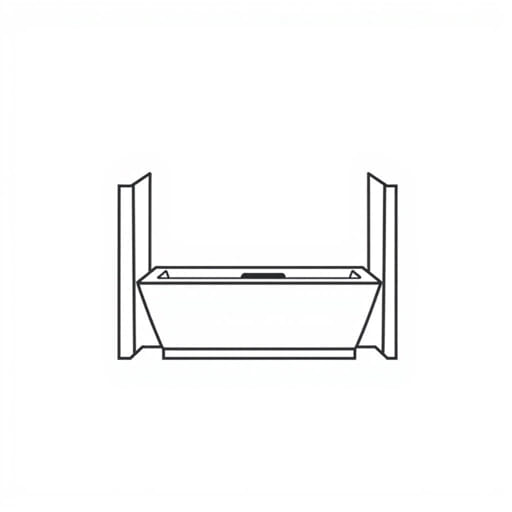
A tub surround is a vertical surface that covers the walls immediately surrounding a bathtub. It typically extends from the top edge of the bathtub up to a certain height on the wall, often reaching the ceiling or aligning with a showerhead if the bathtub includes a shower. The main purpose of a tub surround is to protect the underlying wall structure from water splashes and humidity, which can lead to mold, mildew, and rot if left unchecked.
Aside from its protective function, a tub surround can greatly influence the overall look of the bathroom. It provides a finished, cohesive appearance and can be an opportunity to introduce patterns, textures, or color into the design.
Common Materials Used in Tub Surrounds
Choosing the right material for a tub surround depends on budget, maintenance preferences, and desired aesthetics. Here are some of the most common materials:
- Acrylic and Fiberglass: These are popular due to their affordability and ease of installation. They are typically sold as one-piece or multi-piece kits and are lightweight and easy to clean.
- Ceramic or Porcelain Tile: Tile offers great customization in terms of colors and patterns. It provides a luxurious feel but requires more maintenance due to grout lines that can attract mold or mildew.
- Solid Surface Panels: Made from materials like cultured marble or engineered stone, these panels offer a seamless look and are relatively easy to maintain. They are more expensive but durable and attractive.
- Glass Panels: For a modern and sleek look, glass panels can be used, often combined with tile or stone. These are more common in high-end installations.
Benefits of Installing a Tub Surround
Adding or upgrading a tub surround offers several key advantages beyond aesthetics:
- Waterproofing: It helps to create a barrier that prevents water from seeping into the wall structure, extending the life of your bathroom.
- Low Maintenance: Most tub surrounds are easy to clean and resistant to stains and soap scum.
- Design Versatility: Whether you prefer a classic tile look or a contemporary acrylic panel, tub surrounds offer flexibility in design.
- Cost-Effective Renovation: Installing a new tub surround is a relatively simple upgrade that can refresh the look of an outdated bathroom without a full remodel.
Types of Tub Surrounds
1. Prefabricated Tub Surrounds
Prefabricated surrounds come in one to three pieces and are designed to fit standard bathtub sizes. These are ideal for homeowners who want a quick, cost-effective solution. Most prefab surrounds are made from acrylic or fiberglass and feature built-in shelving or soap holders for convenience.
2. Custom Tile Surrounds
Tile surrounds offer unmatched design potential. You can mix and match tiles, add decorative borders, and even create mosaic patterns. Though the initial cost and labor might be higher, a well-installed tile surround can be a showstopper and significantly boost your home’s value.
3. Solid Surface Surrounds
Solid surface materials like Corian or cultured marble offer a high-end appearance with fewer seams. These are often custom-fit and installed by professionals. They are resistant to mold, mildew, and staining, making them a favorite for luxury bathrooms.
Installation Considerations
Installing a tub surround requires proper planning and attention to detail. Here are some things to consider before installation:
- Wall Condition: Make sure the walls behind the tub are structurally sound and free of mold or water damage before installing a new surround.
- Measurements: Accurate measurements are critical, especially if you’re ordering a custom or prefab unit. An improperly sized surround can lead to leaks and poor aesthetics.
- Compatibility: Ensure that the surround is compatible with your existing bathtub. Some units are designed for alcove tubs, while others are for freestanding or drop-in styles.
- Professional Help: While some DIY enthusiasts may tackle the project themselves, hiring a professional ensures proper sealing and long-term performance.
Maintenance and Cleaning Tips
Maintaining a tub surround is essential to keep it looking good and functioning properly. Regular cleaning prevents soap scum and hard water stains from building up. Use non-abrasive cleaners to avoid scratching the surface, especially with acrylic or fiberglass surrounds. If your surround includes tile, pay attention to grout lines and consider resealing them annually to prevent moisture penetration.
Cost Overview
The cost of a tub surround varies widely depending on the material and labor involved. Here’s a general idea:
- Prefabricated acrylic/fiberglass: $200 to $600 for the unit, plus installation if needed
- Tile surround: $1,000 to $3,000 depending on the complexity of the design and the type of tile
- Solid surface surrounds: $1,500 to $4,000, including material and professional installation
Keep in mind that these are ballpark figures and actual costs may vary based on location, labor rates, and specific design choices.
A tub surround is more than just a decorative feature in a bathroom it’s a practical necessity that protects your walls and enhances the comfort and style of your space. From budget-friendly acrylic panels to custom tile installations, there’s a wide range of options to suit every taste and need. When thoughtfully chosen and properly installed, a tub surround can elevate the entire look of your bathroom while providing long-lasting functionality. Whether you’re doing a small update or a full remodel, understanding what a tub surround is and how to choose the right one can make all the difference in your project’s success.