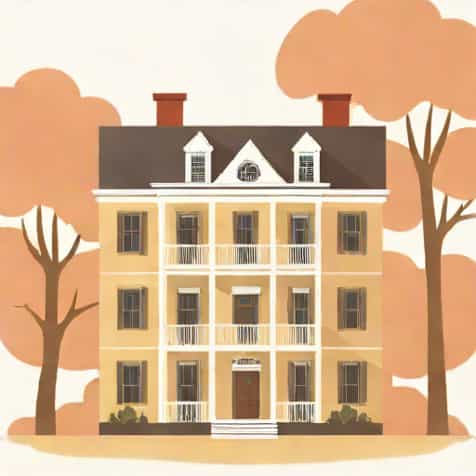
An antebellum house is a style of architecture that instantly brings to mind the rich history of the American South before the Civil War. These grand homes, built primarily in the late 18th and early 19th centuries, stand as symbols of a complex past filled with elegance, wealth, and social change. Recognized for their stately design and impressive scale, antebellum houses continue to fascinate historians, architects, and travelers who are drawn to their beauty and cultural significance. Understanding what an antebellum house is requires exploring its origins, architectural features, and the historical context that shaped its development.
Historical Background
The term antebellum comes from Latin and means before the war, referring specifically to the period before the American Civil War (1861-1865). During this era, the Southern United States experienced a surge of economic growth, largely driven by agriculture, particularly cotton and tobacco plantations. Wealthy landowners used their fortunes to build grand houses that displayed their prosperity and social status. These antebellum homes were not only private residences but also symbols of the South’s agricultural economy and cultural values.
Most antebellum houses were constructed between 1800 and 1860, reflecting a blend of European architectural influences brought by settlers and adapted to the Southern climate. While the beauty of these homes is celebrated today, it is important to acknowledge that their construction and maintenance often depended on the labor of enslaved people, making them a reminder of both grandeur and the injustices of the time.
Architectural Characteristics
Antebellum houses are known for their distinctive and elegant design. They often incorporate elements of Greek Revival, Federal, and Neoclassical architecture, which were popular styles during the period. These design influences gave antebellum homes a majestic appearance that remains highly recognizable even centuries later.
Key Exterior Features
- Grand ColumnsTall, symmetrical columns are one of the most iconic features of an antebellum house. Inspired by Greek temples, these columns create a sense of strength and balance.
- Expansive PorchesWide verandas and wraparound porches provided shade and outdoor living space, helping residents stay cool in the Southern heat.
- Large WindowsTall windows allowed for ventilation and natural light, essential for comfort before modern air conditioning.
- SymmetryThe façades of antebellum homes are often perfectly symmetrical, with evenly spaced doors, windows, and decorative elements.
Interior Design
Inside, antebellum houses were designed to impress. High ceilings, grand staircases, and spacious rooms created an atmosphere of sophistication. Decorative molding, intricate woodwork, and imported furnishings reflected the wealth and refined tastes of their owners. Many homes also featured ballrooms or parlors where families hosted elaborate social gatherings, highlighting the importance of hospitality in Southern culture.
Regional Variations
While the antebellum house is often associated with the Deep South, this architectural style appeared in several regions, each with unique adaptations. In Louisiana, for example, French Creole influences blended with traditional antebellum designs, resulting in homes with raised basements and decorative ironwork. In states like Georgia and South Carolina, Greek Revival was more dominant, with massive columned porticoes that made homes resemble classical temples.
Climate also played a role in shaping antebellum architecture. Homes in humid areas featured wide overhangs and strategically placed windows to promote airflow. Thick brick walls helped keep interiors cool, while elevated foundations protected against flooding in low-lying regions.
Cultural Significance
Antebellum houses are more than just beautiful buildings; they are powerful cultural symbols that tell the story of a pivotal era in American history. They represent the wealth and ambition of the Southern elite while also serving as reminders of the enslaved labor that made such wealth possible. Today, these homes invite reflection on the complex legacy of the antebellum South, offering both admiration for their artistry and a somber acknowledgment of the social realities of their time.
Many antebellum houses have been preserved as museums, allowing visitors to learn about life before the Civil War. Touring these homes provides a deeper understanding of the architecture, daily routines, and historical events that shaped the 19th-century South. They also serve as educational spaces for conversations about slavery, race, and the transformation of the United States during and after the Civil War.
Famous Examples of Antebellum Houses
Several antebellum houses have become landmarks, attracting tourists and history enthusiasts from around the world. Some of the most well-known include
- Oak Alley Plantation (Louisiana)Famous for its double row of massive live oak trees leading to a grand Greek Revival mansion.
- Nottoway Plantation (Louisiana)One of the largest remaining antebellum homes, featuring 64 rooms and exquisite details.
- Rosalie Mansion (Mississippi)A beautifully preserved example of Federal-style antebellum architecture overlooking the Mississippi River.
- Belle Meade Plantation (Tennessee)Known for its association with thoroughbred horse breeding and its elegant Greek Revival design.
Preservation and Modern Use
Many antebellum houses have been carefully restored and are now used for a variety of purposes. Some serve as private residences, while others operate as bed-and-breakfasts, event venues, or historical museums. Preservation efforts ensure that these homes remain standing for future generations to study and enjoy.
Maintaining an antebellum house requires significant care and resources. Original materials like brick, plaster, and woodwork must be repaired or replaced with attention to historical accuracy. Preservationists often work with architects and historians to keep these structures true to their original designs while meeting modern safety standards.
Influence on Modern Architecture
The elegance of antebellum architecture continues to inspire contemporary design. Elements such as columned entrances, symmetrical layouts, and wraparound porches are frequently incorporated into modern homes seeking a timeless Southern charm. While new constructions may not replicate the scale or opulence of original antebellum houses, they often borrow key features that convey a sense of tradition and grandeur.
Visiting an Antebellum House
Exploring an antebellum house can be a memorable experience. Visitors can walk through rooms furnished with period antiques, stroll along tree-lined paths, and imagine life during the 19th century. Guided tours often provide historical context, highlighting the architectural details and stories of the families-both free and enslaved-who lived and worked there.
Many antebellum houses host cultural events, such as historical reenactments, art exhibits, and seasonal festivals. These gatherings help keep history alive while offering a chance for communities to engage with their past in meaningful ways.
Legacy of the Antebellum House
The legacy of the antebellum house is a blend of beauty, history, and reflection. These homes stand as enduring reminders of the wealth and artistry of the pre-Civil War South, as well as the complex social structures that supported their creation. They invite admiration for their craftsmanship while challenging visitors to confront the realities of the era that produced them.
In modern times, antebellum houses serve as valuable educational tools, connecting present generations to a transformative period in American history. Whether preserved as museums, private residences, or event spaces, they remain powerful symbols of a time when architecture, culture, and politics were deeply intertwined. Appreciating an antebellum house means embracing both its aesthetic appeal and the lessons it carries from a past that continues to shape the nation’s identity.