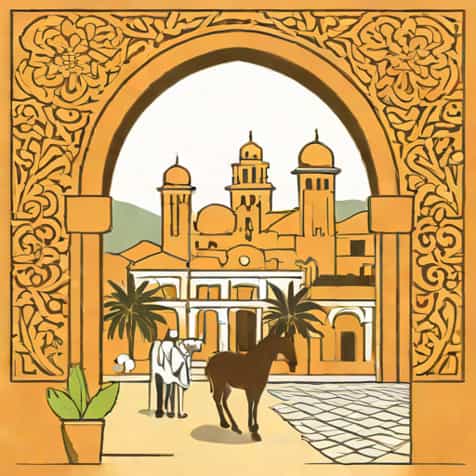
Andalusian culture is a vibrant and multifaceted heritage that originates from the southern region of Spain, known as Andalusia. This culture reflects a unique blend of historical influences, including Roman, Visigothic, Islamic, and Christian traditions, which have shaped its art, music, architecture, cuisine, and daily life over centuries. Andalusia is renowned for its passionate music, colorful festivals, intricate architecture, and lively traditions that continue to captivate both locals and visitors alike. Understanding Andalusian culture requires exploring its history, artistic expressions, social customs, and culinary delights, all of which contribute to the identity of this remarkable region. From flamenco rhythms echoing through the streets to the grandeur of Moorish palaces, Andalusian culture offers a rich tapestry that reflects the resilience, creativity, and diversity of its people.
Historical Influences on Andalusian Culture
The foundation of Andalusian culture is deeply rooted in its complex history. The region has been inhabited by various civilizations, each leaving an enduring mark on its culture. The Romans introduced urban planning, legal systems, and art, while the Visigoths contributed to early Christian traditions. The most profound influence came from the Islamic period, known as Al-Andalus, which lasted from the 8th to the 15th centuries. During this time, Andalusia became a center of learning, trade, and artistic innovation, blending Arabic, Berber, and local Spanish elements. After the Christian Reconquista, the merging of Islamic and Christian influences continued, resulting in a distinctive cultural identity that remains visible today.
Moorish Legacy
The Moorish influence is perhaps the most visually striking aspect of Andalusian culture. Architectural landmarks such as the Alhambra in Granada, the Great Mosque of Córdoba, and the Alcázar of Seville showcase intricate geometric designs, ornamental arches, and lush gardens that reflect Islamic artistry. These monuments not only highlight technical skill but also symbolize the cultural and intellectual achievements of Al-Andalus, including advances in mathematics, astronomy, medicine, and literature.
Music and Dance
Music and dance are central to Andalusian culture, with flamenco being the most iconic expression. Flamenco combines singing (cante), guitar playing (toque), and dance (baile) to convey deep emotion and storytelling. It originated from the Romani communities in Andalusia but has been influenced by Moorish, Jewish, and Spanish folk traditions. Flamenco performances are known for their intensity, rhythmic complexity, and expressive movements, reflecting themes of love, sorrow, and joy.
Other Musical Traditions
- SevillanasA traditional folk dance often performed during festivals and celebrations, characterized by lively steps and circular formations.
- CoplaA form of lyrical song that explores romantic, historical, or social themes, showcasing Andalusian vocal traditions.
- FandangoA musical style with roots in rural Andalusia, often accompanied by guitar and castanets, emphasizing improvisation and rhythm.
Festivals and Social Customs
Andalusian culture is celebrated through vibrant festivals that highlight the region’s communal spirit, creativity, and traditions. These events are often marked by music, dance, colorful costumes, and local cuisine, creating immersive cultural experiences.
Major Festivals
- Feria de Abril (April Fair) in SevilleA week-long celebration featuring flamenco dancing, horse parades, and festive casetas (tents), reflecting Andalusian social and cultural life.
- Semana Santa (Holy Week)Religious processions with elaborate floats, traditional robes, and devotional music, blending spiritual and artistic expression.
- Carnival of CádizKnown for satire, humor, and musical performances, highlighting the playful and creative aspects of Andalusian culture.
Social Customs
Family and community are central to Andalusian social life. Traditional values emphasize hospitality, celebration, and collective participation. Gatherings often involve music, food, and conversation, reinforcing connections among family members and neighbors. Andalusian communities also preserve artisanal crafts, including pottery, leatherwork, and embroidery, which reflect both historical influences and local identity.
Cuisine of Andalusia
Andalusian cuisine is a flavorful reflection of the region’s geography, history, and cultural exchanges. The Mediterranean climate supports a variety of fresh ingredients, including olives, vegetables, seafood, and citrus fruits. Influences from Moorish, Jewish, and Christian traditions have created a unique culinary landscape that balances bold flavors, fresh produce, and aromatic spices.
Signature Dishes
- GazpachoA cold tomato-based soup, perfect for the hot Andalusian summers, made with fresh vegetables, olive oil, and vinegar.
- SalmorejoA thicker, creamier version of gazpacho, often garnished with hard-boiled eggs and cured ham.
- TapasSmall plates of food served as appetizers or snacks, allowing for social dining and sharing of diverse flavors.
- Pescaito FritoLightly fried fish, a staple in coastal Andalusian cuisine, showcasing the importance of seafood in the region.
Language and Literature
The Andalusian dialect of Spanish is characterized by distinct pronunciation, vocabulary, and rhythm, reflecting the region’s historical interactions with Arabic-speaking populations. Andalusian literature encompasses poetry, prose, and folklore that capture the region’s identity, history, and cultural expression. From medieval Andalusian poets to contemporary writers, literature has been a vital medium for exploring social, spiritual, and artistic themes.
Notable Literary Contributions
- Poetry of Ibn Hazm and other Andalusian scholars during the Islamic period, blending philosophy and emotion.
- Folkloric tales and ballads that preserve oral traditions and cultural values.
- Modern novels and essays that reflect Andalusian identity, landscape, and history.
Andalusian Architecture
Architecture in Andalusia is renowned for its diversity and beauty. From the ornate Islamic palaces to Gothic cathedrals, Renaissance buildings, and Baroque churches, Andalusian architecture reflects centuries of cultural layering. Courtyards, fountains, and intricate tilework are characteristic features, emphasizing harmony with nature, aesthetic detail, and artistic innovation.
Architectural Highlights
- Alhambra Palace in Granada – a masterpiece of Moorish design with elaborate gardens and detailed carvings.
- Córdoba Mosque-Cathedral – a blend of Islamic and Christian architectural styles, showcasing historical transitions.
- Seville Cathedral and Giralda Tower – iconic examples of Gothic and Moorish influences in urban settings.
Andalusian culture is a rich tapestry woven from centuries of historical influences, artistic innovation, social customs, and culinary traditions. Its distinctive music, dance, festivals, architecture, literature, and cuisine reflect the blending of Roman, Islamic, Christian, and local Andalusian heritage. The region’s vibrant cultural identity continues to thrive, attracting scholars, artists, and tourists who seek to experience its beauty and depth. Understanding Andalusian culture provides insight into the resilience, creativity, and spirit of the Andalusian people, highlighting the enduring significance of this remarkable region in the cultural landscape of Spain and the wider world.