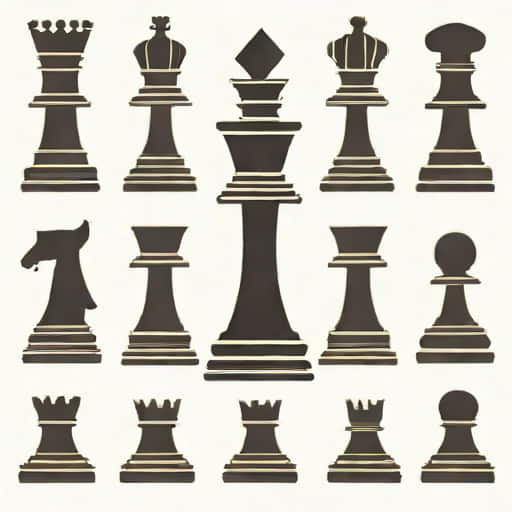
Capablanca Chess is a fascinating variant of the traditional game of chess, designed to enrich strategic possibilities and reduce the likelihood of draws in high-level play. Named after José Raúl Capablanca, the Cuban world chess champion who held the title from 1921 to 1927, this variant introduces new pieces and a larger board, which allow players to explore deeper strategies and more complex tactical scenarios. Capablanca, known for his exceptional endgame skill and intuitive understanding of positional play, proposed this variant in the early 1920s to counteract what he perceived as a problem in standard chess the frequent occurrence of drawn games at the highest levels of competition. Capablanca Chess is now studied by chess enthusiasts who are interested in expanding their strategic thinking and exploring alternative game dynamics beyond the traditional 8×8 board.
Origins of Capablanca Chess
The origins of Capablanca Chess trace back to José Raúl Capablanca, who became concerned that standard chess had begun to produce too many draws among elite players. He believed that expanding the board and introducing new pieces would create a richer playing experience that rewards skill, creativity, and forward planning. Capablanca proposed increasing the chessboard from the traditional 8×8 to a 10×8 layout, and he suggested adding two new pieces the Chancellor, which combines the powers of a rook and a knight, and the Archbishop, which combines the powers of a bishop and a knight. His goal was to create a more dynamic game that emphasizes initiative and strategy while reducing repetitive positions and draws.
José Raúl Capablanca’s Motivation
Capablanca’s motivation for designing this variant was rooted in his deep understanding of classical chess. He noticed that as players became stronger and more precise, many games ended without decisive results. By expanding the board and adding powerful hybrid pieces, he aimed to restore complexity and open new strategic possibilities. Capablanca Chess reflects his belief that chess is an evolving game and that new challenges can enhance players’ skill and enjoyment. It also represents one of the earliest formal attempts to adapt chess to the changing needs of competitive play.
The Board and Setup
Capablanca Chess is played on a 10×8 board instead of the standard 8×8, creating additional space for maneuvering and strategy. The larger board accommodates the inclusion of the new pieces while maintaining balance in the game. The arrangement of pieces in Capablanca Chess is similar to traditional chess but with modifications to include the Chancellor and Archbishop. These pieces are typically placed between the knight and bishop on each side, giving players a wider range of tactical and strategic options from the very start of the game.
New Pieces Explained
The two most notable additions to Capablanca Chess are the Chancellor and the Archbishop
- ChancellorThe Chancellor combines the movement abilities of the rook and knight. This allows it to move horizontally, vertically, and in L-shaped jumps, making it a highly versatile piece that can control both long-range lines and tricky tactical spots.
- ArchbishopThe Archbishop combines the powers of the bishop and knight, moving diagonally or in an L-shaped pattern. Its hybrid movement provides flexibility in both offensive and defensive strategies, adding depth to positional play.
These hybrid pieces significantly alter strategic considerations. Players must account for their unique movement patterns, which can create unexpected threats and opportunities that are absent in traditional chess. The Chancellor and Archbishop add layers of complexity, making Capablanca Chess a richer and more challenging variant.
Rules of Capablanca Chess
While the basic rules of chess still apply in Capablanca Chess, the presence of additional squares and new pieces introduces unique considerations. The king, queen, rooks, bishops, knights, and pawns retain their standard movements and rules, including castling, en passant, and pawn promotion. Pawns can promote to any piece, including the Chancellor and Archbishop, which introduces new endgame possibilities and tactical considerations.
Movement and Strategy
Players must adapt their strategies to account for the larger board and new pieces. The additional space allows for more complex maneuvers, deeper planning, and a greater number of potential attacks and defenses. For example, the Chancellor can dominate open files like a rook while simultaneously posing threats in areas accessible to a knight, making it a particularly powerful piece in the middle game. Similarly, the Archbishop’s combination of diagonal and knight moves allows it to exploit weaknesses in both defensive and offensive structures, often surprising opponents with unexpected attacks.
Strategic Implications
Capablanca Chess encourages a higher level of strategic thinking than standard chess. The expanded board size reduces the likelihood of early forced draws, giving players more room to maneuver and develop long-term plans. It also emphasizes piece coordination, as the new hybrid pieces require careful planning to maximize their potential. The variant rewards players who can think several moves ahead and anticipate complex interactions between the traditional and hybrid pieces.
Endgame Considerations
The endgame in Capablanca Chess is notably more intricate than in traditional chess. The addition of new pieces increases the complexity of potential combinations and threats, requiring players to develop nuanced strategies for pawn promotion and king safety. Endgames often involve creative piece coordination, precise calculation, and careful management of space on the larger board. Mastering these elements can give players a significant advantage and make for highly engaging and challenging games.
Benefits of Playing Capablanca Chess
Playing Capablanca Chess offers several benefits for chess enthusiasts and competitive players
- Enhanced Strategic ThinkingThe larger board and new pieces encourage players to think more deeply about positioning, threats, and coordination.
- Reduced Draw ProbabilityWith more complex interactions and additional pieces, games are less likely to end in draws, even at high skill levels.
- Creativity and InnovationPlayers must develop new strategies and tactics to account for the hybrid pieces and expanded board space.
- Improved Problem-Solving SkillsThe variant challenges players to consider a broader set of possibilities, fostering analytical thinking.
- Historical AppreciationPlaying Capablanca Chess provides insight into the vision of one of chess history’s greatest champions and his efforts to evolve the game.
Learning Capablanca Chess
For players interested in exploring Capablanca Chess, the transition from standard chess requires understanding the movement and strategic potential of the new pieces, as well as adjusting to the larger board. Studying games played with Capablanca Chess rules, experimenting with different opening strategies, and practicing endgame scenarios can help build proficiency. Many chess clubs, online platforms, and books provide guidance for learning this variant, allowing enthusiasts to gradually develop expertise and enjoy a richer chess experience.
Resources and Practice
- Online chess platforms that offer Capablanca Chess modes or custom boards.
- Books and topics analyzing Capablanca Chess games and strategies.
- Chess clubs or tournaments that explore variant formats for practice and competition.
- Software and apps that allow simulation of Capablanca Chess for study and analysis.
Capablanca Chess is a compelling and historically significant variant of chess that challenges players to expand their strategic thinking, explore new tactical possibilities, and reduce the frequency of draws that often occur in standard chess. By introducing a 10×8 board and the hybrid Chancellor and Archbishop pieces, Capablanca created a game that rewards skill, creativity, and deep planning. Whether you are a seasoned chess player seeking a new challenge or a beginner looking to explore different forms of chess, Capablanca Chess offers a rich and engaging experience. It combines historical significance, enhanced strategy, and modern relevance, making it an enduring and fascinating variant in the world of chess.