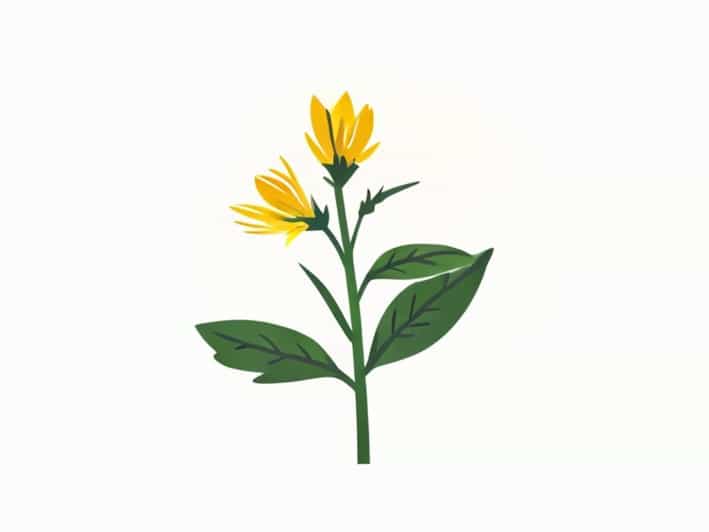
St John’s Wort is a plant that has been used for centuries for its medicinal properties, particularly in traditional herbal medicine. Known for its bright yellow flowers, this herb has gained attention worldwide for its potential benefits in supporting mental health, managing mild to moderate depression, and alleviating other health conditions. People often turn to St John’s Wort as a natural alternative to pharmaceutical treatments, but it is important to understand how it works, its uses, potential side effects, and interactions with other medications before incorporating it into daily routines.
Understanding St John’s Wort
St John’s Wort, scientifically known as Hypericum perforatum, is native to Europe but has spread to many parts of the world. It contains active compounds such as hypericin and hyperforin, which are believed to contribute to its therapeutic effects. Traditionally, it has been used to treat a variety of ailments, from wound healing to mood disorders. In modern herbal medicine, St John’s Wort is most commonly recognized for its role in supporting mental well-being and reducing symptoms of depression and anxiety.
Primary Uses of St John’s Wort
St John’s Wort is primarily used for its potential antidepressant and mood-stabilizing properties. Some of the main applications include
- Managing Mild to Moderate DepressionResearch suggests that St John’s Wort may help improve mood and emotional balance in people experiencing mild or moderate depression, potentially offering a natural alternative to prescription antidepressants.
- Reducing Anxiety SymptomsSome studies indicate that St John’s Wort can help reduce anxiety symptoms, including nervousness, restlessness, and tension.
- Supporting Sleep QualityBy helping regulate mood and stress levels, St John’s Wort may indirectly improve sleep patterns, particularly for individuals whose sleep issues are linked to anxiety or depression.
- Alleviating Seasonal Affective Disorder (SAD)St John’s Wort may assist in managing symptoms of SAD, a type of depression that occurs during specific seasons, usually winter, when sunlight exposure is limited.
Other Potential Uses
Beyond its mental health applications, St John’s Wort has been explored for various other uses, though scientific evidence may be less extensive
- Wound HealingTopical preparations of St John’s Wort have traditionally been used to promote the healing of minor cuts, burns, and abrasions.
- Menopausal SymptomsSome women use St John’s Wort to manage mild symptoms associated with menopause, such as mood swings and irritability.
- PMS Symptom ReliefThere is anecdotal evidence that the herb may help reduce premenstrual syndrome symptoms, including mood changes and mild discomfort.
- Supporting Nerve HealthEmerging studies suggest St John’s Wort might offer neuroprotective benefits, potentially assisting in conditions involving nerve pain or mild neuropathy.
How St John’s Wort Works
The effectiveness of St John’s Wort is primarily attributed to its active compounds, hypericin and hyperforin. These compounds are thought to influence neurotransmitters in the brain, including serotonin, dopamine, and norepinephrine, which are closely linked to mood regulation. By modulating these neurotransmitters, St John’s Wort may help alleviate symptoms of depression and improve emotional stability.
It is important to note that while St John’s Wort can support mood management, it is generally recommended for mild to moderate cases rather than severe depression. For severe or persistent symptoms, professional medical guidance is essential.
Forms of St John’s Wort
St John’s Wort is available in several forms, allowing individuals to choose the method that best suits their needs. Common forms include
- Capsules and TabletsThese standardized forms contain measured doses of St John’s Wort extract and are convenient for daily use.
- Tea or InfusionsDried St John’s Wort flowers can be brewed as a tea, providing a gentle herbal option.
- TincturesAlcohol-based extracts offer a concentrated form of St John’s Wort that can be taken in small doses.
- Topical Oils and CreamsThese are used for skin applications, particularly to support wound healing or alleviate minor burns.
Dosage and Usage Guidelines
Dosage can vary depending on the form of St John’s Wort, the specific extract used, and individual health needs. Standardized extracts in capsules or tablets often contain 300 mg, taken two to three times daily, but it is essential to follow the instructions on the product label or guidance from a healthcare professional.
Consistency is key, as the herb may take several weeks to show noticeable effects. It is also recommended to monitor for any side effects and adjust usage accordingly under professional supervision.
Potential Side Effects and Precautions
While St John’s Wort is generally considered safe for short-term use, some individuals may experience side effects. Common reactions include
- Digestive upset, such as nausea or stomach cramps
- Fatigue or dizziness
- Dry mouth or mild headaches
- Increased sensitivity to sunlight, leading to sunburn risk
It is crucial to consult a healthcare provider before using St John’s Wort, especially for individuals taking prescription medications. The herb can interact with several drugs, including antidepressants, birth control pills, blood thinners, and medications for heart conditions, potentially reducing their effectiveness or causing adverse effects.
Who Should Use St John’s Wort?
St John’s Wort may be suitable for adults experiencing mild to moderate depression, occasional anxiety, or mood-related disturbances. However, it is not recommended for children, pregnant or breastfeeding women, or individuals with severe depression without medical supervision. Proper consultation with a healthcare professional ensures safe and effective use, reducing the risk of complications and interactions.
Tips for Safe Use
- Always inform your healthcare provider about any supplements you are taking.
- Follow recommended dosages carefully and avoid exceeding the suggested amounts.
- Monitor for side effects and discontinue use if severe reactions occur.
- Avoid combining St John’s Wort with other antidepressants or medications without professional guidance.
- Use sun protection when spending extended time outdoors due to increased photosensitivity.
St John’s Wort is a widely recognized herbal remedy used primarily to support mental health, including mild to moderate depression and anxiety. Its benefits extend to improving mood, sleep, and potentially alleviating symptoms of seasonal affective disorder, PMS, and menopause. Available in various forms such as capsules, teas, tinctures, and topical applications, St John’s Wort offers a natural alternative for individuals seeking herbal support. However, understanding its interactions, potential side effects, and proper dosage is crucial for safe use. Consulting with a healthcare professional ensures that St John’s Wort can be used effectively and safely as part of a broader approach to health and well-being.