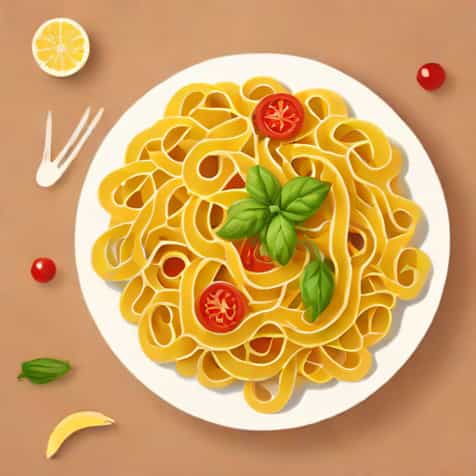
Italian cuisine is filled with dishes that tell stories of tradition, culture, and regional pride, and one of the most iconic among them is tagliatelle al ragù. Often associated with the city of Bologna, this pasta dish is much more than a simple meal-it is a symbol of Italian comfort food and culinary craftsmanship. While many people might recognize it by its international cousin spaghetti Bolognese, the authentic version is something quite different. Tagliatelle al ragù is a combination of wide, flat pasta ribbons paired with a slow-cooked meat sauce, creating a dish that is both hearty and refined. To understand its significance, it is important to explore its origins, ingredients, preparation methods, and cultural meaning.
The Origins of Tagliatelle al Ragù
Tagliatelle al ragù comes from Emilia-Romagna, a region in northern Italy renowned for its culinary heritage. Bologna, in particular, is famous for developing the ragù alla Bolognese sauce that defines this dish. The word ragù originates from the French word ragoûter, meaning to awaken the appetite. Italian cooks adopted the term but gave it their own twist, transforming it into a slow-simmered sauce made with finely chopped meat, vegetables, and a small amount of tomato. Unlike many tomato-heavy pasta sauces, ragù is more about depth of flavor than acidity, emphasizing the richness of meat and the harmony of ingredients. Tagliatelle, with its wide surface, was chosen as the ideal pasta to carry this robust sauce.
What Makes Tagliatelle Special
Tagliatelle is a traditional egg-based pasta, characterized by long, flat ribbons that resemble fettuccine but are slightly narrower. Its texture and shape make it perfect for holding on to thick sauces like ragù. In Italian tradition, fresh tagliatelle is made with a simple mixture of flour and eggs, rolled out by hand or machine, and cut into ribbons of about 6 to 8 millimeters in width. The pasta’s ability to absorb the ragù ensures every bite delivers the full richness of the sauce. In fact, the Italian Academy of Cuisine even registered the official dimensions of tagliatelle in Bologna to preserve its authenticity.
Ingredients of a Traditional Ragù alla Bolognese
The heart of tagliatelle al ragù lies in the sauce. Authentic ragù alla Bolognese is not just about throwing ingredients together quickly; it is about patience and balance. The classic recipe includes
- Finely chopped onion, carrot, and celery as the base (soffritto).
- Ground beef or a mix of beef and pork for richness and flavor.
- Pancetta or cured pork for depth.
- Milk or cream to soften the acidity of tomatoes.
- A small amount of tomato paste or purée, never overwhelming the meat.
- White or red wine, used to deglaze the pan and add complexity.
- Salt, pepper, and sometimes nutmeg for seasoning.
The sauce is cooked slowly, often for several hours, allowing the flavors to meld into a deep, savory richness. This method transforms simple ingredients into a sauce that is both rustic and elegant.
How Tagliatelle al Ragù is Prepared
Preparing tagliatelle al ragù is not about speed but about respect for tradition. The process begins with creating the soffritto by sautéing onion, carrot, and celery in olive oil or butter. Pancetta and ground meat are then added, browned carefully to develop flavor. Wine is poured in and left to evaporate, before adding tomato paste and milk. The sauce is then simmered gently, sometimes for two to four hours. Meanwhile, fresh tagliatelle is prepared, either handmade or bought fresh from a pasta shop. Once the sauce is ready, the pasta is boiled briefly, drained, and tossed directly into the ragù so that every ribbon is coated. The dish is usually finished with a sprinkle of Parmigiano-Reggiano cheese.
Difference Between Ragù and Spaghetti Bolognese
Many people outside of Italy know a dish called spaghetti Bolognese, but Italians insist this is not authentic. In Bologna, the ragù is never served with spaghetti. The reasoning is simple spaghetti does not hold the sauce well, causing it to slide off rather than blend with the pasta. Instead, tagliatelle-with its broad, flat shape-captures the thick ragù perfectly. This is why the true pairing is tagliatelle al ragù, not spaghetti Bolognese. Understanding this difference helps preserve the cultural authenticity of the dish.
Cultural Significance of Tagliatelle al Ragù
Beyond being a delicious meal, tagliatelle al ragù holds cultural importance in Italy. It represents family traditions, Sunday lunches, and a sense of regional pride. In Bologna, it is not just a dish but part of the city’s identity. Recipes are often passed down through generations, with each family adding their own subtle variations. For Italians, preparing tagliatelle al ragù is an act of love and patience, bringing people together around the table to share food and conversation.
Variations Across Regions
While Bologna is the home of tagliatelle al ragù, variations of ragù can be found throughout Italy. For example
- In Naples, ragù is often more tomato-based and simmered with larger cuts of meat.
- In southern regions, different herbs and spices may be added for stronger flavors.
- Some families use different meats, such as veal or lamb, depending on availability and preference.
Despite these variations, the Bolognese version remains the benchmark for authenticity, especially when paired with tagliatelle.
Why Tagliatelle al Ragù is Loved Worldwide
Tagliatelle al ragù has gained international recognition not only because of its flavor but also because of its versatility. It appeals to people across cultures because it combines rich, savory meat with comforting pasta. The slow-cooked sauce develops a depth of taste that is hard to replicate with quick recipes. Restaurants around the world feature this dish on their menus, though the most authentic versions still come from Italy. Food lovers appreciate its balance between simplicity and sophistication, making it one of the most beloved pasta dishes globally.
Tips for Making Tagliatelle al Ragù at Home
For those who want to recreate this Italian classic at home, a few tips can make all the difference
- Use fresh tagliatelle if possible; it absorbs the sauce better than dried pasta.
- Cook the ragù slowly-do not rush the process, as the depth of flavor comes with time.
- Do not overload with tomato; the focus should remain on the meat.
- Finish the pasta in the pan with the sauce rather than serving separately.
- Always serve with freshly grated Parmigiano-Reggiano for authenticity.
Tagliatelle al ragù is more than just an Italian pasta dish; it is a cultural treasure that showcases the art of slow cooking and the harmony between pasta and sauce. Rooted in the traditions of Bologna, it represents the heart of Italian family meals and culinary pride. By understanding its history, ingredients, and preparation, we gain a deeper appreciation for why this dish is cherished around the world. Whether enjoyed in a trattoria in Bologna or recreated at home, tagliatelle al ragù remains a symbol of authentic Italian cuisine and the timeless joy of sharing good food.