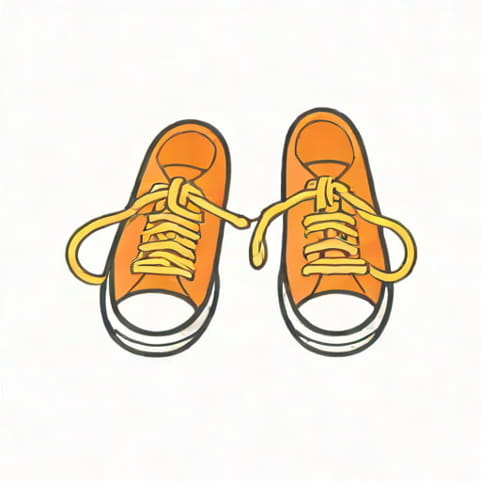
Shoes are an essential part of daily life, and the components that make them functional are often overlooked. One such component is the shoelace, which allows for proper fit and comfort. While most people focus on the length, color, or pattern of a shoelace, there is a small but important feature at the very end that serves a critical purpose. This end is designed to prevent fraying and make threading the lace easier, and it even has its own unique name. Understanding what this part is called, why it exists, and the history behind it can give insight into the design and functionality of everyday items. The small tip at the end of a shoelace is often taken for granted, yet it plays a crucial role in making shoes easier to wear and more durable.
What is the End of a Shoelace Called?
The end of a shoelace is called an aglet. An aglet is a small sheath, usually made of plastic, metal, or other durable materials, that is attached to each tip of a shoelace. Its primary purpose is to prevent the lace from unraveling, making it easier to thread through eyelets or loops on shoes. The word aglet comes from the Middle French word aiguillette, which means small needle, reflecting its pointed shape that helps guide the lace through small openings. Although it is tiny, the aglet is an essential component of a shoelace and contributes to both functionality and convenience.
Functions of an Aglet
- Prevents fraying of the shoelace, extending its lifespan.
- Makes it easier to thread the lace through shoe eyelets or hooks.
- Provides a neat and finished appearance to the shoelace.
- Can add decorative or branding elements if made of metal or customized materials.
- Helps maintain the shape and stiffness at the end of the lace for easier handling.
Materials Used for Aglets
Aglets can be made from a variety of materials depending on the type of shoelace and intended use. Plastic is the most common material due to its affordability, flexibility, and ease of manufacturing. Metal aglets are often used on dress shoes or premium footwear to add durability and a polished appearance. Some aglets are made from fabric or reinforced fibers, particularly on athletic shoes or work boots, where extra strength is required. Regardless of the material, all aglets serve the same fundamental purpose protecting the shoelace and facilitating easy use.
History of the Aglet
The concept of the aglet dates back hundreds of years. Early examples of aglets have been found on shoes from ancient Egypt and Rome, where small metal tips were used to secure laces and ribbons. In medieval Europe, aglets were often decorative, crafted from metals such as silver or gold, and sometimes even adorned with jewels. They were not only functional but also a status symbol, showing wealth and attention to detail. Over time, the design of aglets became simpler and more practical, especially with the rise of mass-produced shoes during the industrial revolution. Today, the aglet is primarily functional, although decorative versions still exist for fashion and branding purposes.
Aglets in Modern Footwear
Modern aglets are an essential component of both casual and athletic footwear. They are designed for efficiency and durability, ensuring that laces remain functional even after repeated use. In sports shoes, aglets are often reinforced to withstand repeated friction from eyelets and rigorous activity. Fashion sneakers may feature metal or colored aglets as part of the design aesthetic, highlighting branding or style. Despite being small, aglets are a key feature that enhances both the usability and appearance of shoes.
Common Problems with Aglets
Although aglets are designed to protect shoelaces, they can sometimes break, wear out, or become detached. When an aglet is damaged, the shoelace can fray, making it difficult to thread through eyelets and shortening the lifespan of the lace. DIY solutions such as applying tape, heat-shrinking tubing, or using glue can temporarily repair broken aglets. However, replacing the shoelace entirely or using pre-made replacement aglets is often the most effective solution. Proper maintenance of aglets helps ensure that shoelaces remain functional and aesthetically pleasing for a long time.
Importance of Aglets
Despite their small size, aglets are essential to the overall function of shoelaces. They prevent fraying, which preserves the strength of the lace and allows it to last longer. Aglets also make it easier to lace shoes quickly, saving time and reducing frustration. In addition, aglets contribute to the appearance of the shoe by providing a neat and finished look. Custom aglets can also serve as a branding tool for shoe companies, adding a unique and recognizable element to their products. The combination of practicality and aesthetic value makes aglets an indispensable feature of footwear.
Aglets and Fashion
Beyond functionality, aglets have also become a small yet significant fashion element. Some designers use metal or engraved aglets to enhance the appearance of high-end shoes. Custom-colored or branded aglets can provide a subtle yet distinct identity for sneakers and athletic shoes. Collectors and sneaker enthusiasts often pay attention to aglet design as part of the overall quality and appeal of footwear. In this way, aglets serve both practical and stylistic purposes in the modern shoe industry.
The end of a shoelace, known as an aglet, may seem like a minor detail, but it is crucial for functionality, durability, and appearance. Aglets prevent fraying, make lacing easier, and provide a polished finish to the shoelace. They have a rich history dating back centuries, evolving from decorative metal tips used in ancient and medieval times to the practical plastic or metal designs seen in modern footwear. Aglets are essential not only in everyday shoes but also in athletic footwear and fashion sneakers, where they combine practicality with design. Understanding the importance of aglets enhances our appreciation of everyday objects and highlights the thoughtful engineering behind simple items like shoelaces. Proper care and occasional replacement of aglets ensure that shoelaces remain functional, making them a small but indispensable part of our daily lives.