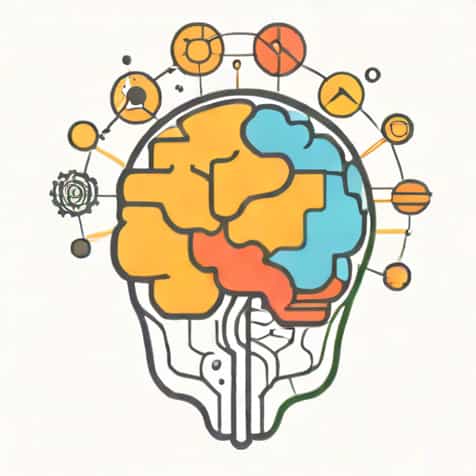
The human brain is an incredibly complex organ, and among its many parts, the prefrontal cortex stands out as one of the most important for everyday functioning. When people ask what the prefrontal cortex is responsible for, they are usually trying to understand how humans think, make decisions, control behavior, and interact socially. This region of the brain plays a central role in shaping personality, guiding choices, and regulating emotions. Although it works quietly behind the scenes, the prefrontal cortex influences almost every conscious action we take, from planning the future to resisting impulses.
What Is the Prefrontal Cortex
The prefrontal cortex is the front part of the frontal lobe, located just behind the forehead. It is one of the most recently evolved areas of the brain, meaning it is especially developed in humans compared to other animals. This area is closely linked to higher-level thinking and is often described as the brain’s control center.
Anatomically, the prefrontal cortex connects with many other brain regions, including those involved in emotion, memory, movement, and sensory processing. These connections allow it to integrate information and coordinate complex mental processes.
Why the Prefrontal Cortex Is Unique
What makes the prefrontal cortex unique is its role in executive functions. Executive functions are mental skills that help people manage their thoughts, actions, and emotions to achieve goals. Unlike brain regions responsible for basic survival functions, the prefrontal cortex focuses on planning, judgment, and self-control.
Decision Making and Judgment
One of the primary responsibilities of the prefrontal cortex is decision making. This area helps individuals evaluate options, consider consequences, and choose actions that align with long-term goals rather than short-term rewards.
For example, when deciding whether to study or watch television, the prefrontal cortex weighs the future benefit of studying against the immediate pleasure of entertainment. Without proper functioning of this region, people may struggle to make thoughtful or responsible decisions.
Problem Solving and Reasoning
The prefrontal cortex also plays a major role in problem solving and logical reasoning. It allows people to analyze situations, identify patterns, and develop solutions. This function is essential in academic learning, work environments, and everyday challenges.
Tasks that require thinking ahead, comparing alternatives, or adapting strategies rely heavily on this part of the brain.
Impulse Control and Self-Regulation
Another key responsibility of the prefrontal cortex is controlling impulses. This means resisting urges that may be harmful or inappropriate in a given situation. The ability to pause before acting is largely regulated by this brain region.
Impulse control is important for maintaining social norms, avoiding risky behavior, and managing emotions. When the prefrontal cortex is not functioning effectively, individuals may act impulsively or struggle with self-discipline.
Emotional Regulation
The prefrontal cortex works closely with emotional centers of the brain, such as the amygdala. While the amygdala generates emotional reactions, the prefrontal cortex helps regulate and moderate those responses.
This interaction allows people to calm themselves, think rationally during emotional situations, and respond appropriately rather than reacting purely on emotion.
Planning and Goal Setting
Planning is another major function of the prefrontal cortex. This includes setting goals, organizing steps to achieve them, and adjusting plans when circumstances change. Whether planning a career path, organizing a schedule, or preparing a meal, this brain region is actively involved.
The prefrontal cortex allows individuals to imagine future scenarios and prepare for them. This ability to think ahead is essential for long-term success and personal growth.
Time Management and Organization
Closely related to planning is the ability to manage time and stay organized. The prefrontal cortex helps prioritize tasks, maintain focus, and switch between activities when necessary.
People who have difficulty with organization or procrastination often experience challenges related to prefrontal cortex functioning.
Attention and Focus
The prefrontal cortex is also responsible for attention control. It helps individuals focus on relevant information while filtering out distractions. This selective attention is critical for learning, working, and completing tasks efficiently.
Maintaining concentration over time requires the prefrontal cortex to actively manage mental resources and suppress irrelevant thoughts or stimuli.
Working Memory
Working memory is the ability to hold and manipulate information in the mind for short periods. The prefrontal cortex plays a central role in this process.
For example, remembering a phone number long enough to dial it or following multi-step instructions relies on working memory supported by the prefrontal cortex.
Social Behavior and Personality
The prefrontal cortex strongly influences social behavior and personality. It helps individuals understand social rules, interpret others’ intentions, and behave appropriately in social situations.
This brain region supports empathy, moral reasoning, and awareness of social consequences. It allows people to adjust their behavior based on context and relationships.
Moral Judgment and Ethics
Moral decision making is another responsibility of the prefrontal cortex. It helps people distinguish right from wrong and consider ethical implications of their actions.
When faced with moral dilemmas, the prefrontal cortex integrates emotional input with logical reasoning to guide behavior.
Development of the Prefrontal Cortex
The prefrontal cortex is one of the last brain regions to fully mature. Development continues into the mid-20s, which explains why children and teenagers may struggle more with impulse control and decision making.
As this area develops, individuals typically gain better emotional regulation, planning skills, and judgment. This gradual maturation plays a key role in cognitive and emotional development.
Impact of Stress and Lifestyle
Stress, lack of sleep, and poor nutrition can negatively affect prefrontal cortex functioning. Chronic stress, in particular, may reduce the brain’s ability to regulate emotions and make rational decisions.
Healthy habits such as regular sleep, exercise, and mental stimulation support optimal prefrontal cortex performance.
What Happens When the Prefrontal Cortex Is Impaired
Damage or dysfunction in the prefrontal cortex can lead to noticeable changes in behavior and thinking. Individuals may experience difficulty with planning, poor judgment, emotional outbursts, or reduced impulse control.
Conditions such as attention-related disorders, mood disorders, and certain neurological injuries often involve changes in prefrontal cortex activity.
Everyday Effects of Reduced Function
When the prefrontal cortex is not working efficiently, people may struggle with focus, organization, and social interactions. These challenges highlight how essential this brain region is for daily life.
The prefrontal cortex is responsible for many of the mental abilities that define human behavior, including decision making, impulse control, emotional regulation, planning, attention, and social interaction. Located at the front of the brain, it acts as a central coordinator that integrates thoughts, emotions, and actions. Its gradual development and sensitivity to stress explain why self-control and judgment improve with age and experience. By understanding what the prefrontal cortex is responsible for, we gain insight into how the brain supports complex thinking, responsible behavior, and meaningful social connections.