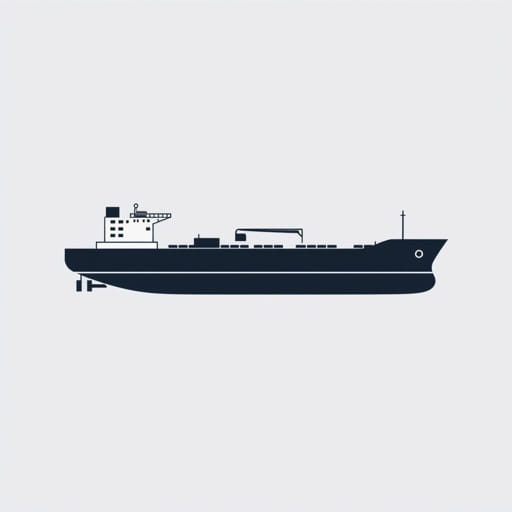
The year 1978 marked a significant environmental disaster when the supertanker Amoco Cadiz sank off the coast of Brittany, France. This tragic event resulted in one of the largest oil spills in maritime history, with over 220,000 tons of crude oil discharged into the sea. The incident not only caused devastating damage to marine ecosystems and local fisheries but also had long-term effects on environmental policy and public awareness of maritime safety. The sinking of the Amoco Cadiz remains a pivotal case in discussions surrounding supertanker safety, oil transport, and international maritime regulations.
Background of the Amoco Cadiz
The Amoco Cadiz was a Very Large Crude Carrier (VLCC) owned by the American oil company Amoco. Built in 1974, the vessel was 334 meters long and capable of transporting massive quantities of crude oil. The tanker was en route from the Persian Gulf to Rotterdam and planned to deliver its cargo to several European ports, including Le Havre in France.
On March 16, 1978, while navigating through rough seas off the coast of Brittany, the Amoco Cadiz experienced catastrophic mechanical failure. The ship’s steering gear malfunctioned, making it impossible to control the vessel. Despite distress calls and rescue attempts, the ship ran aground on Portsall Rocks near the small French village of Portsall.
Events Leading to the Sinking
The failure of the ship’s steering system left the vessel drifting helplessly. Attempts to tow the Amoco Cadiz by a German tug, the Pacific, proved unsuccessful. Repeated towing efforts were hampered by worsening weather conditions and miscommunication between the ship’s captain and the tug operators.
Eventually, the vessel struck a reef, and strong waves caused it to break apart over the next few hours. By March 17, the supertanker had split in two, releasing its entire cargo of crude oil into the ocean. The disaster was immediate and far-reaching, spreading a massive oil slick along 300 kilometers of the French coastline.
Environmental Consequences
The impact of the Amoco Cadiz oil spill was catastrophic. The thick, sticky crude oil coated beaches, rocks, and marine life. The damage included:
- Massive fish kills and contamination of breeding grounds
- Destruction of shellfish beds, affecting local oyster and mussel industries
- Death of thousands of seabirds, many of which were coated in oil and unable to fly
- Long-term ecological damage to coastal marshes and habitats
Cleanup operations took months, and the full environmental recovery required years. The local economy, especially fishing and tourism, suffered dramatically, and the incident became a rallying point for environmental activism across Europe.
Legal Repercussions and Compensation
The French government and affected communities filed legal action against Amoco for negligence. After a lengthy legal battle, in 1992, a U.S. court found Amoco liable for the damages caused by the spill. The ruling emphasized that the vessel was unseaworthy and had been operated with insufficient safety protocols.
Amoco was ordered to pay over $200 million in compensation, one of the largest settlements at that time for an oil spill. The decision set a precedent in holding corporations accountable for environmental disasters and prompted changes in maritime law and tanker design standards.
Changes in Maritime Safety and Policy
The sinking of the Amoco Cadiz spurred several significant reforms in the international maritime industry. Among the most notable changes were:
- Stricter regulations on tanker construction, including double-hull designs to prevent future leaks
- Increased oversight on crew training and ship maintenance standards
- Greater investment in emergency response infrastructure and oil spill contingency plans
- Development of international protocols through the International Maritime Organization (IMO)
The disaster highlighted the need for better cooperation among nations and private stakeholders to manage the risks of transporting crude oil across oceans. These changes ultimately contributed to improved safety for future supertanker operations.
Legacy of the Amoco Cadiz Disaster
Although over four decades have passed since the sinking of the Amoco Cadiz, its legacy remains relevant today. The incident is frequently cited in academic and policy discussions about marine environmental protection and disaster management. It also serves as a case study for corporate responsibility and the long-term effects of oil spills on coastal ecosystems.
Memorials and educational centers along the Brittany coast continue to inform the public about the spill and its aftermath. Environmental groups have used the disaster as a symbol of the risks posed by industrial negligence and the importance of sustainable practices in the oil and shipping industries.
Comparison to Other Supertanker Disasters
The Amoco Cadiz spill is often compared to other major oil tanker disasters, such as the Exxon Valdez spill in Alaska in 1989 and the Torrey Canyon spill in 1967. However, in terms of volume, the Amoco Cadiz ranks among the worst non-wartime oil spills caused by a single vessel.
Each of these disasters contributed to an evolving framework for environmental accountability, maritime regulation, and public scrutiny. Collectively, they have reshaped the conversation around how supertankers are operated and how the international community should respond to large-scale marine pollution.
The sinking of the Amoco Cadiz in 1978 was more than just a maritime accident; it was a wake-up call for the world about the dangers of unrestricted oil transport and the fragile balance between industrial progress and environmental stewardship. The disaster’s scale, the ecological devastation it caused, and the subsequent legal and regulatory fallout all contributed to fundamental changes in how supertankers are built and operated today. The Amoco Cadiz remains a symbol of the risks inherent in global oil trade and a reminder of the importance of rigorous safety standards and environmental responsibility.