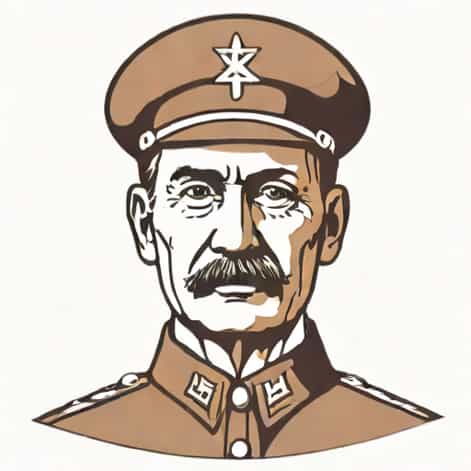
Before Alexander DubÄek became the leader of Czechoslovakia in 1968, the country was under the leadership of AntonÃn Novotný, a key figure in the communist government during the 1950s and 1960s. Novotný played a significant role in shaping the political and economic direction of Czechoslovakia during the Cold War, enforcing strict adherence to Soviet policies while struggling with growing public dissatisfaction. Understanding Novotný’s leadership provides important context for the reforms that DubÄek later attempted, as well as the social and political climate that made the Prague Spring possible. The transition from Novotný to DubÄek highlights the tensions between rigidity and reform within the communist bloc of Eastern Europe.
Who Was AntonÃn Novotný?
AntonÃn Novotný was born in 1904 in the small town of LetÅany, which is now part of Prague. He became politically active in his youth and joined the Communist Party of Czechoslovakia during a time of significant political upheaval in the region. Novotný rose through the ranks of the party due to his loyalty, organizational skills, and dedication to Marxist-Leninist principles. By the 1950s, he held several key positions within the government and eventually became the First Secretary of the Communist Party, effectively controlling the party apparatus and the state administration. His rule was marked by a combination of political repression and economic centralization, following the Soviet model.
Novotný’s Rise to Power
Novotný’s rise was closely tied to the consolidation of communist power in Czechoslovakia after World War II. The 1948 coup d’état, often referred to as the Victorious February, allowed the Communist Party to take complete control of the government. Novotný was instrumental in implementing party policies, suppressing political opposition, and strengthening ties with the Soviet Union. In 1953, he officially became the President of Czechoslovakia, combining party leadership with state authority. His tenure reinforced the dominance of the Communist Party and established him as a central figure in maintaining Soviet-style governance in the country.
Political Policies Under Novotný
Under Novotný, Czechoslovakia experienced a period of strict political control and limited freedoms. He emphasized loyalty to the Communist Party and promoted policies aligned with Soviet interests, including collectivization of agriculture and the nationalization of industry. Political dissent was not tolerated, and state security forces actively monitored, arrested, and prosecuted individuals considered a threat to the regime. Novotný’s government focused on ideological conformity and economic centralization, often at the expense of public satisfaction and innovation.
Economic and Social Challenges
Novotný’s policies also faced economic difficulties. Centralized planning created inefficiencies in production, and collectivized agriculture often failed to meet the needs of the population. Citizens faced shortages, and living standards were lower compared to Western Europe. While Novotný attempted to maintain control and project stability, growing discontent among intellectuals, workers, and reform-minded members of the Communist Party created pressure for change. The dissatisfaction with Novotný’s leadership eventually contributed to his weakening position and set the stage for Alexander DubÄek’s rise.
Novotný’s Leadership Style
AntonÃn Novotný was known for his authoritarian and rigid leadership style. He valued discipline and loyalty above all else, both within the Communist Party and among the general population. Novotný was often resistant to criticism and slow to implement reforms, believing that strict adherence to Marxist-Leninist doctrine was necessary for maintaining political stability. This approach alienated many reformists and intellectuals, who began advocating for greater political and cultural freedom. His inability to adapt to changing societal expectations ultimately undermined his authority.
Relationship with the Soviet Union
Novotný maintained close ties with the Soviet Union, aligning Czechoslovak policies with Moscow’s directives. He relied on the USSR for political support and economic guidance, which helped solidify his position in the short term but also limited Czechoslovakia’s autonomy. This close relationship with the Soviet leadership made it difficult for him to implement domestic reforms, as any deviation from Soviet expectations could threaten his leadership. The strong Soviet influence created both stability and rigidity, a duality that would become more evident during DubÄek’s later attempts at liberalization.
The Fall of Novotný
By the mid-1960s, Novotný faced increasing pressure from within the Communist Party and from the public. Calls for reform and modernization grew louder, fueled by economic stagnation, cultural unrest, and dissatisfaction with political repression. Intellectuals and party reformists criticized his rigid policies and demanded greater political and cultural freedoms. Novotný’s inability to respond effectively to these pressures weakened his authority and made him vulnerable to internal party challenges. In January 1968, amid growing unrest and political maneuvering, Novotný resigned as First Secretary, paving the way for Alexander DubÄek to assume leadership and launch the Prague Spring.
Legacy of AntonÃn Novotný
Novotný’s leadership left a complex legacy. On one hand, he maintained stability and kept Czechoslovakia firmly within the Soviet sphere of influence. On the other hand, his authoritarian style and resistance to reform contributed to widespread dissatisfaction and the desire for change that characterized the Prague Spring. His tenure illustrates the tension between rigid political control and the pressures of social and intellectual reform. Novotný’s fall demonstrates how even long-standing leaders can lose power when they fail to adapt to the evolving demands of society and party members.
Key Facts About AntonÃn Novotný
- Born in 1904 in LetÅany, now part of Prague.
- Member of the Communist Party of Czechoslovakia and instrumental in the 1948 coup.
- Became President of Czechoslovakia in 1953 and First Secretary of the Communist Party.
- Known for rigid adherence to Soviet policies, political repression, and centralized economic planning.
- Resigned in January 1968 amid growing pressure from reformists and public dissatisfaction.
Before Alexander DubÄek became the symbol of reform and liberalization in Czechoslovakia, AntonÃn Novotný led the country with a rigid, authoritarian approach that emphasized loyalty to the Communist Party and alignment with the Soviet Union. His policies maintained political stability but caused economic stagnation and social discontent, setting the stage for the Prague Spring. Novotný’s leadership highlights the challenges of governing under strict ideological constraints and illustrates the pressures that can lead to political change. Understanding Novotný’s tenure provides important context for appreciating the historical significance of DubÄek’s reforms and the broader struggle for political liberalization in Czechoslovakia.