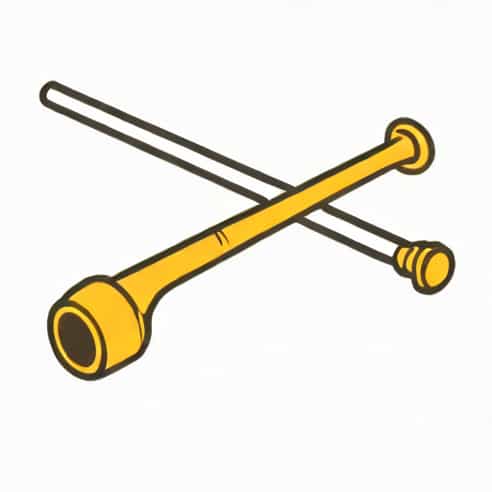
Goldsmithing is an ancient craft that has fascinated humans for centuries, combining both artistry and technical skill. At the heart of this intricate work lies the ability to manipulate metals with precision, shaping them into beautiful ornaments, jewelry, and functional objects. One of the essential tools that has remained crucial for goldsmiths over time is the blowpipe. Though it may seem simple, the blowpipe plays a vital role in the melting, soldering, and shaping of precious metals, allowing artisans to achieve the delicate details and structural integrity necessary for their creations. Understanding why goldsmiths use blowpipes reveals a deeper appreciation for the craft and the techniques that have been refined over generations.
The Role of Blowpipes in Goldsmithing
A blowpipe is a slender tube used by goldsmiths to direct a stream of air into a flame, intensifying its heat and controlling its focus. This tool is critical in the process of melting metals, particularly gold, silver, and other alloys that require precise temperature control. Unlike standard flames, which may not reach high enough temperatures or may heat unevenly, the blowpipe allows the craftsman to achieve a concentrated and controlled heat source. This is particularly important when working with delicate pieces that can easily warp, burn, or lose their fine details under excessive or uneven heat.
Melting and Fusing Metals
One of the primary uses of the blowpipe is in the melting and fusing of metals. Gold and silver have relatively low melting points compared to other metals, yet they still require a steady, concentrated flame to reach the correct temperature for casting or shaping. By directing a precise stream of air into the flame, the blowpipe increases combustion, producing a hotter and more stable flame. This enables goldsmiths to melt small amounts of metal for casting, repair, or joining pieces together without affecting surrounding materials.
Soldering and Joining Pieces
Soldering is a delicate process that involves joining two or more pieces of metal using a filler material called solder. The blowpipe is indispensable in this process because it allows goldsmiths to apply heat exactly where it is needed. The controlled flame ensures that the solder melts and flows into the joint without overheating the surrounding metal. This precision is essential to maintain the integrity of the design and prevent damage to intricate patterns or gemstones embedded in the piece.
Shaping and Forming Metals
Goldsmiths often use the blowpipe not only for melting and soldering but also for shaping metals into intricate forms. By heating specific areas, the metal becomes malleable and easier to work with, allowing artisans to bend, stretch, or emboss designs with precision. The ability to localize heat means that only the desired section softens, leaving the rest of the piece intact. This is particularly useful in creating complex patterns, filigree work, and detailed engravings that require careful handling.
Advantages of Using a Blowpipe
- PrecisionGoldsmiths can control exactly where and how much heat is applied.
- EfficiencyThe blowpipe intensifies the flame, reducing the time required to melt or shape metals.
- FlexibilitySuitable for various techniques, including soldering, melting, and detailed forming.
- SafetyFocused heat reduces the risk of accidental burns or damage to delicate components.
- PortabilityTraditional blowpipes are simple and can be used in small workshops without extensive equipment.
Historical Significance
The blowpipe has been a fundamental tool in goldsmithing for centuries. Early artisans recognized the need for precise heat control long before modern torches and furnaces were developed. The traditional blowpipe, often operated manually by blowing through a tube, required skill and practice to maintain a steady airflow and temperature. Mastering this technique was considered an essential part of a goldsmith’s training, combining both physical coordination and a deep understanding of metal behavior.
Modern Adaptations
While modern goldsmiths may use gas or electric torches, the principles of the blowpipe remain relevant. Modern torches often incorporate blowpipe techniques to direct and control flames with greater consistency. Even today, small-scale artisans and jewelers value the simplicity and precision that a hand-operated blowpipe provides, especially for fine repairs, miniature work, or traditional craftsmanship. The evolution of the blowpipe demonstrates the balance between maintaining traditional skills and embracing technological advancements in metalworking.
Blowpipe Techniques for Goldsmiths
Using a blowpipe effectively requires skill, patience, and knowledge of metal properties. Goldsmiths must learn to control the flame intensity, angle, and duration of heating to achieve the desired results. Techniques include
- Spot HeatingDirecting the flame to a precise point to soften the metal without affecting adjacent areas.
- Flame AdjustmentModifying the air supply to control the temperature and shape of the flame.
- Metal Flow ControlUsing heat to make the metal more malleable, allowing for stretching, bending, or filling intricate molds.
- Gradual HeatingSlowly increasing temperature to prevent cracking or stress in the metal.
Why Precision Matters
Goldsmithing demands extreme attention to detail. Even minor variations in heat application can result in defects, such as uneven surfaces, weak joints, or warping. The blowpipe’s ability to provide controlled, localized heat ensures that goldsmiths can work on the most intricate designs with confidence. Precision not only improves the quality of the final product but also extends the longevity of the metalwork, maintaining its beauty and functionality for years.
The use of the blowpipe in goldsmithing exemplifies the blend of artistry and technical mastery that defines this timeless craft. By providing precise control over heat, the blowpipe allows artisans to melt, solder, and shape precious metals with accuracy, maintaining the integrity and beauty of their creations. Whether used in traditional hand-blown form or modern torch-assisted methods, the blowpipe remains an essential tool for goldsmiths. Its enduring presence highlights the importance of skill, patience, and understanding in working with metals, ensuring that each piece reflects both craftsmanship and creativity. Understanding why goldsmiths use the blowpipe helps us appreciate not only the complexity of metalworking but also the dedication required to transform raw materials into exquisite works of art.