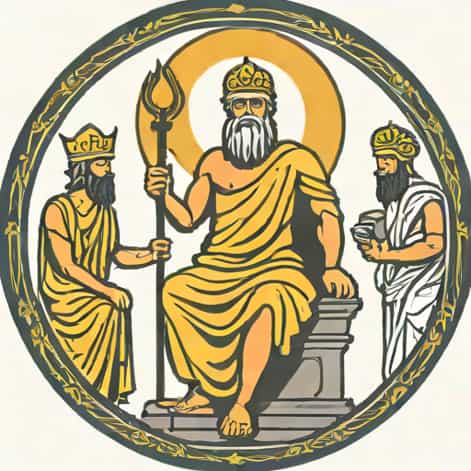
In Greek mythology, particularly in Homer’s Iliad, Zeus is depicted as the king of the gods, a powerful yet often cautious figure who oversees both divine and mortal affairs. Despite his immense authority, there are moments when Zeus appears reluctant to punish the Achaeans, even when their actions seem deserving of divine retribution. This reluctance reflects a complex interplay of fate, divine politics, and the moral structure of the Homeric world. Understanding why Zeus hesitates requires examining the relationships between gods and mortals, the concept of fate, and the larger narrative purpose of the Iliad, as well as the balancing act Zeus must maintain between justice, mercy, and the consequences of interfering in human affairs.
The Role of Zeus in the Iliad
Zeus, as the supreme deity of the Greek pantheon, holds the responsibility of maintaining order among gods and humans. In the Iliad, he is portrayed as a careful overseer who rarely acts impulsively. While he possesses the power to intervene directly in mortal conflicts, he often weighs the consequences of his actions carefully, particularly when it comes to punishing the Achaeans. Zeus’ role is not simply punitive; he also ensures that events unfold according to fate and that the honor and pride of the Achaeans and their opponents are maintained in a balanced way. His decisions are guided by a combination of divine law, prophetic insight, and political considerations among the gods.
The Achaeans and Their Actions
The Achaeans, also referred to as the Greeks in the Iliad, are involved in the long and bloody conflict against the Trojans. They commit various acts of violence, disrespect, and hubris, which could easily provoke Zeus’ anger. From desecrating sacred sites to insulting divine authority, their behavior often tests the limits of mortal propriety. Despite these provocations, Zeus is careful not to mete out immediate punishment, which suggests that his role transcends simple vengeance. His restraint illustrates the Homeric principle that human events are often part of a larger cosmic order that even the king of the gods must respect.
Zeus and the Concept of Fate
One of the most important reasons for Zeus’ reluctance to punish the Achaeans is the Greek understanding of fate, or moira. In the Homeric worldview, fate is a powerful force that governs the lives of both mortals and gods. Even Zeus, despite his supreme authority, cannot completely alter destiny. Punishing the Achaeans prematurely could disrupt the predetermined course of events, potentially undermining the larger plan of fate that dictates the outcome of the Trojan War. This idea is emphasized repeatedly in the Iliad, where gods intervene selectively, but never fully override the unfolding of mortal destiny.
Balancing Fate and Free Will
While fate governs major outcomes, humans retain a measure of free will in their actions. Zeus’ reluctance reflects his awareness of this balance. He may choose to delay punishment to allow humans to demonstrate courage, honor, or moral growth. By doing so, Zeus maintains the narrative tension of the Iliad and emphasizes the importance of human decision-making within the framework of divine oversight. The Achaeans’ actions, though flawed, are part of a broader story that includes heroism, struggle, and eventual resolution, which Zeus ensures unfolds according to the cosmic order.
Divine Politics and Relationships
Another reason Zeus hesitates to punish the Achaeans is the complex network of relationships among the gods. Many gods favor different sides in the Trojan War, and direct intervention could upset divine alliances or provoke conflict among the Olympians. Zeus must carefully weigh his decisions to maintain harmony and avoid favoritism that could lead to chaos in both the mortal and divine realms. His reluctance is therefore not just moral but also strategic, reflecting his role as a mediator and ruler who must consider both human and divine consequences.
The Influence of Other Gods
Gods like Hera, Athena, and Apollo actively participate in the Trojan War, often supporting or opposing the Achaeans. Zeus’ reluctance is partly influenced by their actions and desires. For instance, Hera and Athena frequently advocate for the Greeks, while Apollo and Aphrodite support the Trojans. Punishing the Achaeans too harshly could conflict with the agendas of his fellow gods, undermining his authority or causing divine dissent. By exercising restraint, Zeus preserves his position as the ultimate arbitrator, ensuring that no single deity disrupts the balance of power or the narrative trajectory of the war.
The Moral and Narrative Purpose
From a literary perspective, Zeus’ reluctance serves important moral and narrative functions in the Iliad. His restraint allows for the exploration of human virtues and flaws, including bravery, pride, and honor. By not punishing the Achaeans immediately, Homer emphasizes that human suffering, heroism, and ethical dilemmas are integral to the story. Zeus’ measured approach reinforces the idea that divine justice is tempered with wisdom and foresight, highlighting the contrast between mortal impulsiveness and divine deliberation.
Lessons About Justice and Mercy
Zeus’ hesitancy also reflects broader themes of justice and mercy. While the gods are capable of immense power, Homer presents them as discerning rather than arbitrary enforcers. Zeus’ reluctance teaches that punishment is most effective when it aligns with cosmic order and moral logic. Immediate retribution could lead to excessive destruction or imbalance, whereas strategic restraint ensures that consequences are meaningful and that lessons are learned. This perspective underscores the ethical sophistication of Greek mythology, where power must be exercised thoughtfully rather than impulsively.
Examples in the Iliad
Throughout the Iliad, several episodes illustrate Zeus’ careful consideration. When the Achaeans face plagues, setbacks, or battlefield losses, Zeus often allows natural consequences or the actions of other gods to intervene rather than acting directly himself. Even when he expresses anger at their misdeeds, he frequently delays punishment, signaling his recognition of fate, human agency, and divine politics. These examples reinforce the notion that Zeus’ reluctance is both a narrative device and a reflection of the complex moral universe of Homeric epics.
Impact on the Achaeans
The Achaeans themselves are aware, at least indirectly, of the limits of divine authority. Their awareness of Zeus’ power coupled with his occasional restraint creates tension, fear, and a sense of unpredictability. This dynamic makes the warriors’ choices and heroism more dramatic, as they navigate the consequences of their actions without knowing whether immediate divine punishment will follow. Zeus’ reluctance adds depth to the human experience in the Iliad, highlighting the fragile balance between fate, personal agency, and divine oversight.
Zeus’ reluctance to punish the Achaeans in the Iliad is a multifaceted phenomenon rooted in the interplay of fate, divine politics, energy allocation among the gods, and narrative strategy. While the Achaeans commit acts that might merit immediate divine retribution, Zeus must balance his role as the enforcer of justice with his responsibilities as the overseer of fate and mediator among the Olympian gods. His hesitation allows for the unfolding of the Trojan War according to cosmic order, emphasizes the moral and ethical dimensions of human action, and preserves the balance of divine authority. Ultimately, Zeus’ measured approach reflects the complexity of the Homeric worldview, demonstrating that even a powerful god must consider timing, consequences, and the broader tapestry of fate before exercising judgment.