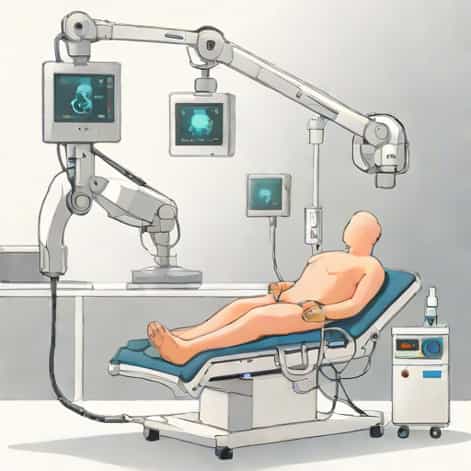
Robotic-assisted surgery has revolutionized gynecologic procedures, offering greater precision, reduced blood loss, and faster recovery times compared to traditional surgery. One such procedure gaining attention is the Xi robotic-assisted laparoscopic hysterectomy with bilateral salpingo-oophorectomy (BSO). This advanced surgical approach combines the minimally invasive benefits of laparoscopy with the enhanced dexterity and visualization provided by the da Vinci Xi robotic system. It is primarily used to treat conditions such as uterine fibroids, endometriosis, adenomyosis, and gynecologic cancers while allowing for the removal of both ovaries and fallopian tubes when indicated. Understanding the procedure, its indications, surgical steps, benefits, and potential risks is important for both patients and healthcare providers considering this modern surgical option.
Overview of Xi Robotic-Assisted Surgery
The da Vinci Xi robotic system represents the latest generation of robotic surgical platforms, offering enhanced ergonomics, improved camera stability, and versatile instrument articulation. This system allows surgeons to perform complex procedures through small incisions while maintaining a high level of precision. In gynecology, the Xi system is commonly used for hysterectomy, myomectomy, endometriosis resection, and adnexal surgeries. Its application in laparoscopic hysterectomy with BSO allows for safe removal of the uterus, fallopian tubes, and ovaries while minimizing patient discomfort and recovery time.
Key Features of the Xi System
- Enhanced 3D high-definition visualization for better tissue differentiation.
- Wristed instruments with seven degrees of freedom for precise dissection.
- Flexible port placement to accommodate complex pelvic anatomy.
- Improved surgeon ergonomics, reducing fatigue during long procedures.
- Ability to perform multi-quadrant surgeries without repositioning the patient or robot.
Indications for Xi Robotic-Assisted Laparoscopic Hysterectomy with BSO
This procedure is indicated for a range of benign and malignant gynecologic conditions. By combining hysterectomy with bilateral salpingo-oophorectomy, surgeons can address both uterine and ovarian pathology, reducing the risk of future ovarian disease. Common indications include
Benign Conditions
- Uterine fibroids causing heavy bleeding or pain
- Adenomyosis or endometriosis affecting fertility or quality of life
- Pelvic organ prolapse requiring uterine removal
- Chronic pelvic pain related to gynecologic conditions
Malignant or Pre-Malignant Conditions
- Endometrial or uterine cancer requiring surgical staging
- Ovarian or fallopian tube malignancy risk reduction (e.g., BRCA mutation carriers)
- High-grade dysplasia or premalignant ovarian cysts
Preoperative Considerations
Prior to undergoing Xi robotic-assisted laparoscopic hysterectomy with BSO, patients are evaluated thoroughly to ensure safety and optimal outcomes. Preoperative assessment includes
- Detailed medical history and physical examination
- Imaging studies such as ultrasound, MRI, or CT scans to evaluate uterine and adnexal pathology
- Laboratory tests, including complete blood count, coagulation profile, and renal function
- Discussion of anesthesia risks and perioperative planning
- Preoperative counseling regarding the removal of ovaries and potential hormonal effects
Surgical Procedure
The procedure begins with general anesthesia, after which small incisions are made in the abdominal wall to accommodate the robotic ports. The Xi system is docked, and the surgeon operates from a console, using the high-definition 3D camera and robotic instruments to carefully dissect and remove the uterus, fallopian tubes, and ovaries.
Step-by-Step Overview
- Placement of trocar ports for robotic instruments and camera.
- Creation of pneumoperitoneum to allow space for dissection.
- Identification and careful ligation of the uterine arteries to minimize blood loss.
- Dissection and removal of ovaries and fallopian tubes with attention to surrounding structures, including ureters and bladder.
- Detachment of the uterus from supporting ligaments and removal through the vagina or mini-laparotomy incision.
- Hemostasis confirmation and closure of incisions with minimal scarring.
Advantages of the Xi Robotic-Assisted Approach
Compared to traditional open surgery or standard laparoscopy, the Xi robotic-assisted approach offers several benefits that enhance patient outcomes and safety
Minimally Invasive Benefits
- Smaller incisions resulting in reduced postoperative pain and scarring
- Shorter hospital stays and faster return to daily activities
- Lower risk of wound infections and hernia formation
Surgical Precision and Safety
- Enhanced visualization allows for careful dissection around vital structures
- Robotic instruments allow fine movements that reduce tissue trauma
- Improved hemostasis and reduced intraoperative blood loss
- Greater ability to perform complex procedures in patients with obesity or prior abdominal surgeries
Potential Risks and Complications
While robotic-assisted surgery is generally safe, patients should be aware of potential risks. These include both common laparoscopic complications and robot-specific considerations
- Bleeding and need for blood transfusion
- Injury to surrounding organs such as bladder, ureters, or bowel
- Infection at incision sites
- Anesthesia-related complications
- Rare mechanical failure of the robotic system, requiring conversion to standard laparoscopy or open surgery
- Hormonal effects from removal of ovaries, including menopausal symptoms
Recovery and Postoperative Care
Recovery after Xi robotic-assisted laparoscopic hysterectomy with BSO is typically faster than open surgery. Patients are often discharged within 24-48 hours, depending on their overall health and complexity of the procedure. Postoperative care includes
- Pain management with oral analgesics
- Monitoring for signs of infection, bleeding, or urinary problems
- Gradual return to physical activity, avoiding heavy lifting for 4-6 weeks
- Follow-up visits to assess healing and discuss any hormonal therapy if ovaries were removed
Long-Term Considerations
After bilateral salpingo-oophorectomy, patients experience an immediate drop in estrogen and progesterone levels, which can lead to menopause if they have not already reached that stage. Long-term follow-up may include
- Management of menopausal symptoms, such as hot flashes and vaginal dryness
- Bone health monitoring due to increased risk of osteoporosis
- Heart health surveillance, as estrogen loss can affect cardiovascular risk
- Regular gynecologic check-ups to monitor pelvic floor health and general well-being
The Xi robotic-assisted laparoscopic hysterectomy with bilateral salpingo-oophorectomy represents a significant advancement in gynecologic surgery. By combining robotic precision with minimally invasive techniques, the procedure offers patients reduced pain, faster recovery, and improved surgical outcomes. It is especially valuable for complex cases or patients with previous surgeries, obesity, or challenging pelvic anatomy. While there are potential risks, careful preoperative evaluation, experienced surgical teams, and robotic technology make this approach safe and effective. Patients undergoing this procedure benefit not only from the removal of uterine and ovarian pathology but also from a shorter recovery period and enhanced quality of life after surgery. As robotic technology continues to evolve, procedures like Xi robotic-assisted hysterectomy with BSO are likely to become the standard of care for many gynecologic conditions, providing both patients and surgeons with unprecedented control and outcomes in modern surgery.