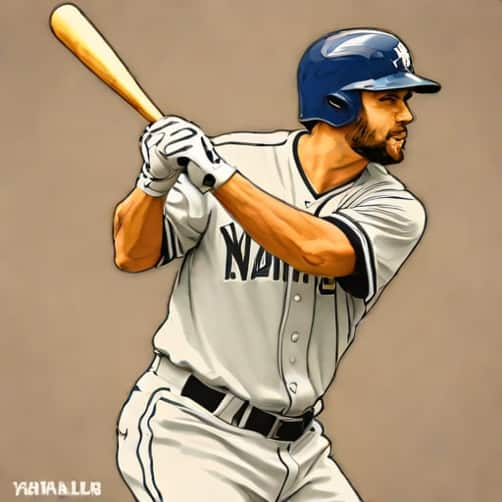
The New York Yankees’ acquisition of Joey Gallo remains one of the most memorable and debated trades in recent franchise history, especially among fans who followed every twist and turn of his time in pinstripes. Gallo, a powerful lefthanded slugger known for his massive home run power but equally massive strikeout totals, arrived with high expectations at Yankee Stadium after a midseason deadline deal with the Texas Rangers. That moment generated excitement for a potential lineup boost, but the story that unfolded over the following seasons was complex and ultimately shaped perceptions of both player value and front office decisionmaking within the storied Yankees organization. Understanding the context and impact of the YankeesJoey Gallo trade requires examining the terms of the deal, Gallo’s performance with New York, and how it influenced roster strategy in the years that followed.
Origins of the Trade
On July 29, 2021, the New York Yankees made a splash at the MLB trade deadline by acquiring outfielder and designated hitter Joey Gallo along with lefthanded reliever Joely RodrÃguez from the Texas Rangers. In return, the Yankees sent a package of four prospects – shortstop Josh Smith, second baseman Ezequiel Duran, second baseman/outfielder Trevor Hauver, and righthanded pitcher Glenn Otto – to Texas. This trade was designed to provide the Yankees with a lefthanded power bat and a defensive option in the outfield as they pushed for postseason success. Gallo had established himself as a formidable power hitter in Texas, tied for fifth in the American League with 25 home runs at the time, and also led the majors in walks, giving him an outstanding onbase capability despite a lower batting average.
Why the Yankees Pursued Gallo
The Yankees’ lineup at the time featured an array of established righthanded power hitters like Aaron Judge and Giancarlo Stanton, and adding a lefthanded slugger like Gallo was seen as a way to diversify offensive threats and exploit Yankee Stadium’s short rightfield porch. Gallo’s ability to draw walks, hit home runs to both fields, and play multiple defensive positions made him an attractive target for a team seeking any edge for a deep playoff run. Manager Aaron Boone expressed enthusiasm about Gallo’s fit, highlighting his athleticism, patience at the plate, and power potential in New York’s lineup.
Performance in New York
Joey Gallo’s tenure with the Yankees began with anticipation but quickly became marked by inconsistency. While his power potential was still evident, his batting average and overall offensive production did not meet expectations. According to his major league statistics, Gallo’s career batting average hovered around.211 with 145 home runs and 317 RBIs over seven seasons, figures that included his time with the Rangers prior to the trade.
Challenges at the Plate
Despite his track record as a power hitter, Gallo struggled to make consistent contact once he joined the Yankees. The combination of a low batting average and high strikeout totals – a characteristic of his three true outcomes hitting profile – became more pronounced in the demanding New York environment. While he occasionally showcased his power with long home runs and critical hits, many fans and analysts felt that he didn’t live up to the significant expectations that accompanied his acquisition. Comments from supporters and critics alike on forums and discussion boards emphasized frustration with his strikeouts and lack of consistency, even while acknowledging his effort and work ethic.
Defensive Contributions and Versatility
One of the reasons the Yankees pursued Gallo beyond his batting was his defensive versatility. Over his career, he had played multiple positions, including first base, third base, and the corner outfield spots, and even won Gold Glove awards for his fielding. However, this defensive value was somewhat overshadowed by his offensive struggles in New York. Despite sporadic moments of success, his overall impact did not consistently elevate the team’s performance as many had hoped when the trade was first completed.
Fan and Media Reaction
The reaction to the YankeesGallo trade was mixed from the start but became increasingly critical as time passed. Fans on social media expressed disillusionment with his production – especially after initial optimism – and many began to question the return on investment for a player who had been traded for multiple promising prospects. Discussion threads highlighted both appreciation for Gallo’s effort and frustration at his shortcomings, with some fans even rooting for him to succeed elsewhere to reclaim the form that made him a coveted trade target.
Comparisons to Other Trades
As with many major transactions, comparisons arose between the Gallo trade and other historical Yankees moves, with critics using it as an example of a bust acquisition. topics and lists analyzing the worst trades in franchise history sometimes included Gallo’s stint in New York due to the perceived disparity between expectations and results. While every trade carries risk, the high cost in prospects added to the disappointment for many analysts and fans.
Aftermath and Legacy
The story of Joey Gallo’s time with the Yankees didn’t end with that single trade. In August 2022, the Yankees eventually traded him to the Los Angeles Dodgers in exchange for righthanded pitcher Clayton Beeter, marking the conclusion of Gallo’s chapter in New York. This subsequent move reflected the organization’s decision to shift direction after evaluating his performance and fit within the team dynamic.
Impact on Prospects and Future Moves
The prospects sent to the Rangers in the original trade went on to develop in Texas’ system, with some showing promising progress. For example, players like Ezequiel Duran and Trevor Hauver gained notable success in the minors, prompting discussions about whether the Rangers ultimately won more from the trade in the long term. Such outcomes often become focal points for trade evaluations in future seasons.
Reflection on the Trade Market
The Yankees’ experience with Gallo serves as a broader reminder of the challenges teams face when assessing talent and fit. Even accomplished players with impressive power statistics and defensive versatility can struggle in a new environment or under intense scrutiny. The trade highlighted how important it is for front offices to consider not only raw talent but also adaptability, consistency, and the mental aspects of performing in pressurefilled markets like New York.
The YankeesJoey Gallo trade remains a significant moment in recent franchise history, encapsulating both the promise and unpredictability of Major League Baseball trades. Initially seen as a bold move to boost the lineup with elite power potential, it instead became a cautionary tale about expectations versus reality. While Gallo had shown remarkable potential with the Rangers and possessed qualities that drew interest from many teams, his performance in New York did not consistently align with the high hopes placed upon him. The departure of Gallo, the development of prospects sent in return, and the subsequent moves by the Yankees all contribute to the ongoing discussion around how teams evaluate and execute trades. Ultimately, the Joey Gallo trade highlights the complexities of roster building, the importance of fit and consistency, and the enduring scrutiny that bigleague moves face from fans, media, and baseball historians alike.