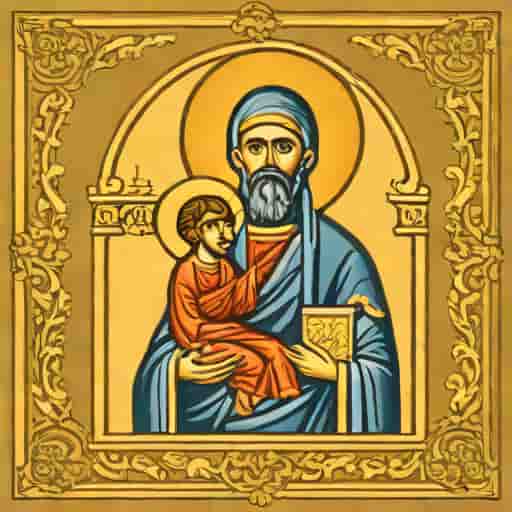
Yelijoch Mezmur is a term that refers to a type of spiritual song tradition connected to children within the broader context of Ethiopian Orthodox and religious music culture. In many Ethiopian communities, music plays a vital role in religious education, worship, celebration, and cultural identity. The word Mezmur refers to hymns or sacred songs that express praise, prayer, and devotion, often rooted in the ancient traditions of the Ethiopian Orthodox Tewahedo Church. While mezmur can take many forms, including liturgical chants, psalms, and hymns for adults, Yelijoch Mezmur specifically highlights songs meant for or sung by children, blending faith, learning, and cultural expression in ways that resonate with young believers and communities alike. These songs can serve both educational and spiritual purposes, teaching children about religious stories, virtues, and community values through engaging melodies and lyrics.
Meaning of Mezmur in Orthodox Tradition
In the Ethiopian Orthodox Tewahedo Church, mezmur holds a deep spiritual and liturgical significance. Mezmur are more than just songs; they are expressions of faith, prayer, and devotion that accompany worship, celebrations, and rites throughout the church calendar. The tradition of mezmur draws on centuries of liturgical music, including chants, hymns, and vocal practices that are interwoven with scripture and religious teachings. These church songs are often performed in Ge’ez, the ancient liturgical language of the Ethiopian Orthodox Church, and reflect the theology, history, and spiritual heritage of the faith. ð¶ Mezmur help worshippers connect emotionally and spiritually with the divine, fostering a sense of community and devotion.
Origins of Orthodox Mezmur
Orthodox mezmur have their origins in the early development of the Ethiopian Orthodox liturgical tradition. Much of the musical foundation of Ethiopian church music is attributed to Saint Yared, a sixth-century composer who is celebrated for developing the system of chanting and musical notation used in the church. Saint Yared’s contributions shaped the structure of mezmur, establishing different melodic modes used for various types of services, seasons, and religious occasions. His work continues to influence how mezmur are taught and performed in the church today.
What Yelijoch Mezmur Represents
Yelijoch Mezmur, when translated roughly from Amharic, refers to children’s mezmur. These are songs created with young singers or listeners in mind, often simpler in structure, uplifting, and designed to teach fundamental religious themes and values. Yelijoch mezmur can be part of children’s religious education, community gatherings, or celebrations that involve young people. Unlike more complex liturgical chants reserved for formal church services, these songs often have approachable melodies and themes that are easy for children to learn and sing together. Such songs might be performed by children’s choirs, at church pageants, or even in informal family settings, reinforcing spiritual teachings in a format that is accessible and enjoyable for youth.
Significance for Children
Children’s involvement in mezmur serves multiple purposes. First, it introduces young people to the rich musical and spiritual traditions of the Ethiopian Orthodox Tewahedo Church. Second, it helps children internalize religious stories, moral lessons, and community values through repetition, melody, and participation. Finally, celebrating Yelijoch Mezmur strengthens community bonds as families and congregations support children in musical worship and learning. For many families, these songs are part of childhood memories, woven into cultural celebrations and spiritual growth.
How Yelijoch Mezmur Is Performed
Performance of Yelijoch Mezmur often involves group singing, simple musical accompaniment, and active participation by children. In some cases, children may perform in choirs during religious festivities, seasonal celebrations, or church gatherings. The melodies are crafted to be engaging and memorable, with lyrics that reflect themes of praise, love, gratitude, and moral instruction. Families may also sing these songs at home, especially on special occasions or religious feasts, reinforcing the cultural and spiritual identity of children within the community.
Integration with Religious Education
In religious education, mezmur can be a tool to help children learn scripture, prayers, and stories from the Bible. Through music and repetition, young learners can absorb foundational teachings in ways that are enjoyable and resonant with their daily lives. Many churches and religious schools incorporate Yelijoch Mezmur into classes, choir groups, and community events, fostering both musical skill and religious knowledge.
Examples of Yelijoch Mezmur Themes
The themes found in Yelijoch Mezmur often mirror broader mezmur content but with a focus on elements relatable to children
- Praise and worship of God, expressing gratitude and joy.
- Stories about creation, kindness, and goodness in everyday life.
- Teachings about prayer, community, and faithfulness.
- Celebrations of religious holidays and church feasts.
These themes help children connect spiritually with their faith while also learning life lessons and moral values that support personal and communal growth.
Role in Cultural Identity
Music is deeply intertwined with cultural identity in Ethiopia, and Yelijoch Mezmur contributes to this by aligning children’s spiritual education with the broader cultural heritage of Ethiopian Orthodox Christianity. Singing these songs links younger generations to a long history of sacred music, connecting them with ancient traditions and the stories of their ancestors. This sense of continuity reinforces both religious commitment and cultural pride.
Modern Context and Outreach
In recent years, Yelijoch Mezmur and other spiritual songs have expanded beyond traditional church walls. With platforms like community events, children’s television shows, and online videos, these songs reach wider audiences and introduce children – sometimes beyond Orthodox communities – to Ethiopian religious music. These modern expressions maintain the essence of mezmur while adapting to contemporary contexts where media and technology can support cultural preservation and spiritual engagement.
Community and Technology
Today, recordings and performances of Yelijoch Mezmur are shared through various digital formats, allowing families and educators to access and use these songs in education and worship. Collection playlists of Orthodox mezmur often include versions oriented to children, highlighting the lasting relevance of this musical form. This technological reach helps sustain traditional music while providing new opportunities for cultural exchange and appreciation.
Yelijoch Mezmur represents an important intersection of faith, music, culture, and education within Ethiopian Orthodox communities. These childrenoriented spiritual songs help young believers learn foundational religious teachings while participating in a rich musical tradition that is central to worship and cultural identity. Rooted in centuriesold practices of liturgical music and evolving through modern media, Yelijoch Mezmur continues to be a meaningful part of how families and communities nurture faith and cultural heritage in their children. By engaging with these songs, children not only celebrate their spiritual beliefs but also connect with a living tradition that spans generations and continues to adapt to contemporary life.