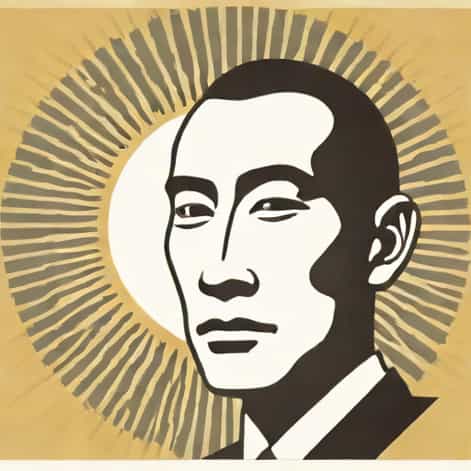
Yukio Mishima’sSun and Steelis a provocative and deeply introspective essay that explores the intricate relationship between the body, physicality, and the mind. Written in 1968, the work reflects Mishima’s lifelong fascination with the intersection of literature, aesthetics, and martial discipline. Unlike his novels, which often depict narrative worlds filled with social, political, or psychological complexity,Sun and Steelpresents a personal meditation on self-transformation, the pursuit of physical perfection, and the symbolic power of the body. Mishima’s reflections reveal his belief that intellectual life alone is insufficient for a complete human existence, and that the cultivation of the body is an essential complement to the life of the mind. This essay has influenced generations of readers and thinkers who are drawn to Mishima’s unique synthesis of philosophy, literature, and corporeal discipline.
Background and Context
Yukio Mishima, born Kimitake Hiraoka in 1925, was one of Japan’s most controversial and celebrated writers. His life was characterized by a relentless pursuit of beauty, discipline, and perfection in both art and physicality.Sun and Steelwas written during a period when Mishima had already achieved literary fame but felt a persistent tension between his intellectual accomplishments and his physical existence. The essay is deeply autobiographical, offering insights into Mishima’s personal experiences with bodybuilding, martial arts, and the philosophical contemplation of death and aesthetics. By framing his physical regimen as an essential component of self-realization, Mishima challenged contemporary notions that separated mental pursuits from bodily discipline.
Philosophical Foundations
At the core ofSun and Steelis Mishima’s conviction that the body and mind must be harmonized to achieve a complete sense of self. Drawing on both Eastern and Western philosophical traditions, Mishima emphasizes the importance of action, courage, and discipline as a means of transcending the limitations of pure intellect. He critiques the literary and philosophical cultures that valorize thought and contemplation while neglecting the cultivation of the body. For Mishima, physical training, whether through weightlifting, kendo, or other martial arts, becomes a symbolic and practical pathway to confront mortality and assert human dignity.
Key Themes inSun and Steel
Sun and Steelrevolves around several interrelated themes that underscore Mishima’s vision of the ideal human life. One central theme is the tension between the intellectual and the physical. Mishima confesses that while literature and writing provided him with recognition and intellectual stimulation, he experienced a profound sense of inadequacy until he engaged seriously with physical discipline. By developing his body, Mishima sought to reclaim a sense of agency and authenticity that purely mental endeavors could not provide.
The Body as a Medium
Mishima presents the body as a medium of expression and a vessel for aesthetic and philosophical exploration. Through rigorous training and self-discipline, he transforms his own body into a symbol of beauty, strength, and mortality. He writes about the ecstatic sensation of movement, the awareness of physical limits, and the confrontation with pain and risk. In doing so, Mishima elevates bodily experience to a form of philosophical inquiry, suggesting that understanding oneself fully requires more than contemplation-it demands engagement with one’s physicality.
Death and the Aesthetic
Another prominent theme is the relationship between death and the pursuit of aesthetic and physical perfection. Mishima’s fascination with mortality is evident throughoutSun and Steel, as he frequently meditates on the inevitability of death and the importance of facing it consciously. For Mishima, the disciplined body is not only a tool for beauty but also a means of preparing for death with courage and grace. The essay suggests that awareness of mortality intensifies the pursuit of excellence and cultivates a sense of urgency in both intellectual and physical endeavors.
Structure and Style
Sun and Steelis notable for its lyrical and often provocative style. Unlike conventional essays, it blends narrative, reflection, and philosophical discourse in a highly personal manner. Mishima’s prose alternates between precise, almost clinical observations of the body and passionate meditations on life, death, and art. This stylistic approach mirrors the thematic duality of the essay, juxtaposing intellect and physicality, contemplation and action. Readers often find themselves drawn into Mishima’s intense self-examination and challenged to reconsider their own approach to the relationship between mind and body.
Influence of Martial Arts
Martial arts, particularly kendo and other traditional Japanese practices, play a significant role in Mishima’s conceptualization of the body and discipline. He describes how martial training instills a sense of rhythm, control, and awareness, teaching lessons about courage, honor, and self-restraint. Through these practices, Mishima seeks to reconcile the disciplined, often rigid aspects of martial training with the fluid, expressive dimensions of aesthetic life. The essay thus becomes a meditation on the integration of technique, philosophy, and artistic sensibility.
Reception and Legacy
Upon publication,Sun and Steelreceived mixed reactions. Some critics praised Mishima’s unflinching honesty and the originality of his insights into the body and aesthetics. Others found his obsession with physical perfection and mortality unsettling or extreme. Over time, however, the essay has gained recognition as a seminal work that challenges conventional boundaries between literature, philosophy, and bodily practice. Scholars and enthusiasts often citeSun and Steelas a crucial text for understanding Mishima’s life, particularly his later years, which culminated in his dramatic ritual suicide in 1970.
Impact on Literature and Philosophy
- Encouraged interdisciplinary thinking about the body, art, and intellect.
- Influenced contemporary writers interested in physicality and self-discipline.
- Inspired philosophical debates on the nature of human completeness and authenticity.
- Highlighted the cultural tensions between Western intellectualism and Eastern martial traditions.
- Remains a reference point for discussions on aesthetics, mortality, and the cultivation of self.
Practical Lessons fromSun and Steel
For modern readers,Sun and Steeloffers practical insights beyond literary and philosophical contemplation. It encourages individuals to consider how their physical habits, exercise routines, and engagement with the body shape personal identity and resilience. Mishima’s reflections suggest that integrating mind and body can lead to a more holistic and satisfying life. Additionally, the essay invites readers to confront mortality and the limitations of existence, fostering a sense of urgency and purpose in daily practice.
Integration into Modern Life
Contemporary audiences can draw inspiration from Mishima’s approach by adopting practices that harmonize physical activity with intellectual growth. Yoga, martial arts, disciplined fitness routines, and mindful movement all echo Mishima’s advocacy for bodily awareness and self-cultivation. While his methods and obsessions may be extreme, the underlying principle-that human development requires a balance of mental and physical engagement-remains universally relevant.
Yukio Mishima’sSun and Steelstands as a compelling meditation on the integration of body and mind, the pursuit of aesthetic and physical excellence, and the conscious confrontation with mortality. Through his candid exploration of personal experience, martial discipline, and philosophical reflection, Mishima challenges readers to rethink the boundaries between intellectual and physical life. The essay remains influential in literary, philosophical, and fitness communities, inspiring those who seek a deeper understanding of self and the potential for transformation through disciplined engagement with the body. By merging the contemplative with the corporeal,Sun and Steelendures as a provocative and thought-provoking work that continues to resonate with readers worldwide.
Ultimately,Sun and Steelis more than an essay about physical training or aesthetics; it is a manifesto on the importance of living fully, confronting mortality, and seeking authenticity through the union of mind and body. Yukio Mishima’s insights continue to provoke reflection and inspire those who strive for a balanced, disciplined, and intensely aware approach to life.