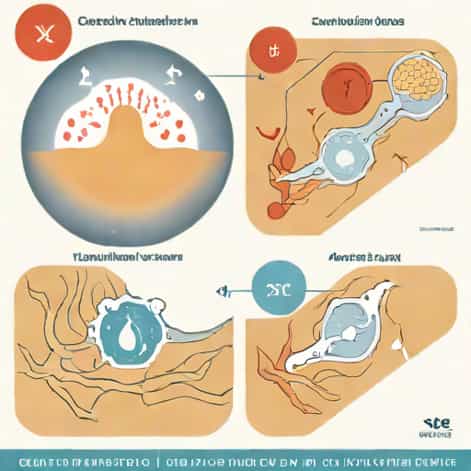
The growth of bones in the human body is a highly organized process that involves several zones, each performing a specific role in the development of long bones. Among these zones, the zone of calcification and the zone of ossification are particularly important in the context of endochondral ossification, which is the process by which cartilage is gradually replaced by bone tissue. Understanding the differences between the zone of calcification vs zone of ossification helps in comprehending how bones achieve their strength, shape, and functional capacity. This knowledge is fundamental in fields such as anatomy, physiology, orthopedics, and developmental biology.
Introduction to Bone Growth
Long bones, such as the femur and humerus, grow in length through a process called endochondral ossification. This process occurs in the epiphyseal plate, commonly known as the growth plate, located between the epiphysis and diaphysis of the bone. The epiphyseal plate consists of multiple distinct zones, each contributing to the transformation of cartilage into bone. These zones include the resting zone, proliferative zone, hypertrophic zone, zone of calcification, and zone of ossification. While each zone has a specific function, the zone of calcification and the zone of ossification are crucial for mineral deposition and the formation of mature bone tissue.
Zone of Calcification
The zone of calcification is situated just above the hypertrophic zone in the epiphyseal plate. This region is characterized by the deposition of calcium salts within the cartilage matrix. The calcification process strengthens the cartilage, preparing it for subsequent ossification. Cells in this zone, primarily chondrocytes, begin to die as they become encased in calcified matrix. The calcified cartilage acts as a scaffold for new bone tissue, allowing osteoblasts to deposit bone matrix in the next zone.
Functions of the Zone of Calcification
- Provides a scaffold for bone formation
- Strengthens the cartilage matrix through calcium deposition
- Marks the transition from living cartilage to bone tissue
- Facilitates the eventual death of chondrocytes to make room for osteoblast activity
The calcification in this zone is essential for maintaining the structural integrity of the developing bone. Without adequate calcification, the bone would lack rigidity, making it prone to deformation or fracture during growth. The zone of calcification thus serves as a critical intermediary step between cartilage proliferation and the formation of mature bone.
Zone of Ossification
The zone of ossification, located just below the zone of calcification, is the region where the actual formation of bone tissue occurs. In this zone, osteoblasts actively deposit new bone matrix over the calcified cartilage framework. This newly formed bone tissue gradually replaces the calcified cartilage, resulting in the elongation and strengthening of the bone. The zone of ossification is sometimes referred to as the metaphyseal region, where mature bone begins to appear.
Functions of the Zone of Ossification
- Transforms calcified cartilage into mature bone tissue
- Deposits osteoid, which later mineralizes to form hard bone
- Contributes to the longitudinal growth of bones
- Ensures structural integrity and durability of the newly formed bone
Osteoblasts in the zone of ossification are highly active, producing collagen fibers and other organic components of the bone matrix. This matrix subsequently undergoes mineralization, primarily through the deposition of hydroxyapatite crystals, which provide the bone with hardness and resilience. The proper functioning of this zone is crucial for normal bone development and overall skeletal health.
Key Differences Between Zone of Calcification and Zone of Ossification
While the zone of calcification and the zone of ossification are adjacent and interconnected, they serve distinct roles in bone growth. Understanding these differences clarifies their respective contributions to endochondral ossification.
Structural Differences
- Zone of CalcificationContains chondrocytes embedded in a calcified cartilage matrix. The cartilage is partially mineralized, and the cells are in the process of dying.
- Zone of OssificationContains osteoblasts that deposit new bone matrix over the calcified cartilage. The cartilage is largely replaced by mineralized bone.
Functional Differences
- Zone of CalcificationPrepares the cartilage for ossification by depositing calcium salts and creating a rigid scaffold.
- Zone of OssificationConverts the calcified scaffold into mature bone, contributing to bone elongation and structural strength.
Cellular Activity Differences
- Zone of CalcificationChondrocytes die as they become surrounded by calcium deposits.
- Zone of OssificationOsteoblasts actively secrete osteoid, which later mineralizes to form bone tissue.
Clinical Relevance
Understanding the zone of calcification vs zone of ossification has significant clinical importance. Abnormalities in these zones can lead to growth disorders, skeletal deformities, or delayed bone healing. For instance, insufficient calcification may result in weak bones that are prone to fractures, while defective ossification can impair bone elongation and density. Pediatricians and orthopedic specialists often study these zones when evaluating growth plate injuries, metabolic bone diseases, or the effects of nutritional deficiencies on skeletal development.
Impact of Nutrition and Hormones
Proper nutrition, including adequate intake of calcium, phosphate, and vitamin D, is essential for the calcification and ossification processes. Hormones such as growth hormone, thyroid hormone, and sex steroids also regulate the activity of chondrocytes and osteoblasts. Disruption in hormonal balance or nutrient deficiency can adversely affect both zones, leading to conditions such as rickets, osteomalacia, or growth retardation. Realizing the distinct roles of these zones helps in designing effective treatment plans and interventions for skeletal disorders.
The zone of calcification and the zone of ossification are integral to the process of endochondral ossification, which enables the longitudinal growth of bones. The zone of calcification prepares the cartilage matrix by depositing calcium salts and initiating chondrocyte death, creating a scaffold for bone formation. The zone of ossification follows, where osteoblasts deposit new bone tissue, transforming the calcified cartilage into mature, mineralized bone. Understanding the differences between these zones is essential for students, medical professionals, and anyone interested in human anatomy and skeletal development. Their coordinated activity ensures that bones grow properly, achieve structural integrity, and maintain overall health, highlighting the intricate design and functionality of the human skeletal system.