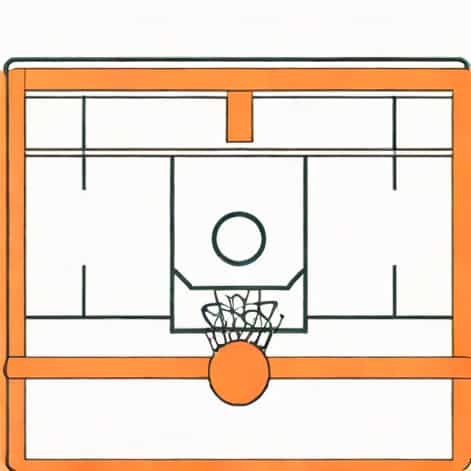
In sports terminology, terms like zone, sideline, and out of bounds are essential for understanding the rules, gameplay, and strategies used in many field and court games. These terms are commonly used in sports such as basketball, football, soccer, and volleyball to indicate specific areas of the playing surface and the boundaries that players must respect. Knowing how these areas are defined and enforced is crucial for both players and fans to follow the game accurately. Understanding these concepts also provides insight into tactical decisions, scoring rules, and overall game flow.
Understanding the Zone in Sports
The term zone generally refers to a designated area on the playing field or court that has specific significance in the context of the sport. Zones can define defensive and offensive positions, scoring areas, or special rules that apply only within that region. For example, in basketball, the key or paint area is considered a crucial zone for both offense and defense. Similarly, in American football, the end zone is the scoring zone where teams aim to carry or pass the ball to earn points.
Types of Zones
- Defensive ZoneThis is an area primarily protected by the defending team, such as a basketball team’s half-court or a hockey team’s defensive end.
- Offensive ZoneThe area where a team aims to score points or goals. Offensive strategies are often concentrated in this zone.
- Neutral ZoneFound in sports like hockey or soccer, this is an area between the offensive and defensive zones where control of the ball or puck is contested.
- Special Purpose ZonesSome sports designate specific zones for penalties, substitutions, or timeouts. For example, volleyball has a substitution zone along the sideline.
Sideline Defining the Boundaries
The sideline refers to the lines that run along the length of a playing field or court, marking the lateral boundaries. The area outside the sideline is typically considered out of bounds, meaning the ball or player cannot legally continue play beyond this line. Sidelines are critical for determining possession, initiating substitutions, and managing gameplay in a controlled manner.
Importance of Sidelines
- Marking the edge of the playing area for both players and officials.
- Indicating where substitutions, timeouts, or other special activities occur.
- Providing visual guidance for players to maintain awareness of their position on the field or court.
- Assisting referees in making calls about out-of-bounds plays or fouls near the perimeter.
Out of Bounds Rules and Implications
Out of bounds refers to the area outside the designated playing field or court where play is not allowed. When the ball, puck, or player crosses into this area, the game is temporarily stopped, and possession is typically awarded to the opposing team. Rules for out-of-bounds play vary between sports, but the fundamental principle is to maintain fair competition and clearly defined boundaries.
Sports Examples of Out-of-Bounds
- BasketballWhen the ball crosses the sideline or baseline, it is considered out of bounds, and possession is given to the opposing team.
- Football (Soccer)If the ball crosses the touchline or goal line without scoring, a throw-in, goal kick, or corner kick is awarded depending on who last touched the ball.
- American FootballPlayers or the ball that cross the sidelines or end lines are considered out of bounds, stopping the play.
- VolleyballThe ball landing outside the court lines is deemed out, affecting scoring and rally continuation.
Strategies Involving Zones and Sidelines
Understanding zones, sidelines, and out-of-bounds areas is vital for developing effective strategies in any sport. Coaches and players use these boundaries to plan defensive coverage, offensive plays, and positional tactics. For instance, in basketball, defenders often use a zone defense to cover critical areas near the basket. In football, offensive players exploit sidelines to stretch the defense or create space. Knowledge of out-of-bounds rules also helps players make calculated risks when attempting long passes, corner plays, or dribbles near the perimeter.
Examples of Tactical Use
- BasketballUtilizing the sideline as an extra defender in half-court pressure defenses.
- SoccerEmploying throw-ins near the sideline to maintain ball possession strategically.
- American FootballUsing the sideline as a buffer to stop the clock during passing plays.
- VolleyballAiming for out-of-bounds areas near opponents to force errors and gain points.
Common Mistakes Related to Sidelines and Out-of-Bounds
Many athletes make errors when they misjudge the boundaries of the playing area. Common mistakes include stepping out of bounds while dribbling, failing to account for the edge of the court during shots or passes, or ignoring the rules of specific zones. These mistakes can result in turnovers, lost scoring opportunities, or penalties, emphasizing the importance of spatial awareness and training focused on boundary control.
Training Tips
- Practice positioning near sidelines and end zones to build awareness.
- Drill plays that involve moving the ball close to out-of-bounds areas safely.
- Learn the rules of each sport regarding zone coverage and out-of-bounds calls.
- Simulate game scenarios to improve decision-making under pressure near boundaries.
Zones, sidelines, and out-of-bounds areas are fundamental concepts in sports that define the structure and flow of the game. Understanding these areas allows players to develop effective strategies, follow the rules accurately, and optimize their performance. Sidelines serve as critical visual markers, while zones dictate strategic positioning, and out-of-bounds rules maintain fair play. Mastery of these concepts enhances gameplay, minimizes errors, and provides a deeper appreciation of the tactical and regulatory elements that govern modern sports. Whether playing basketball, soccer, American football, or volleyball, awareness of zone, sideline, and out-of-bounds dynamics is key to success both on the field and in competitive analysis.