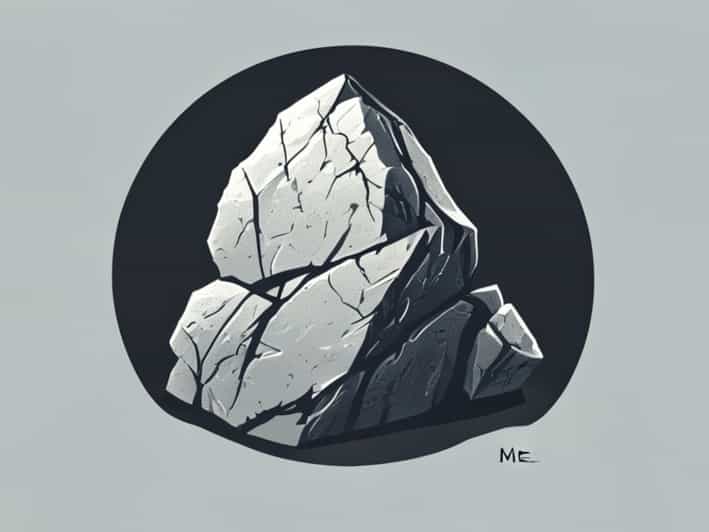
The phrase Rock of Ages, cleft for me has echoed through generations as a symbol of comfort, refuge, and spiritual assurance. Many people know it from the beloved hymn, while others encounter it as a powerful metaphor for protection in times of hardship. Its enduring influence has made it a meaningful expression in religious practices, music, literature, and personal reflection. The words draw attention to the timeless idea of finding safety and strength in something greater than oneself, which explains why the phrase continues to resonate with people from various backgrounds.
Historical Background of the Phrase
The origin of Rock of Ages, cleft for me is commonly attributed to the 18th-century hymn written by Augustus Toplady. According to historical accounts, he was inspired after seeking shelter in a rocky crevice during a storm. Whether entirely factual or partly symbolic, the story highlights the central meaning finding protection when circumstances feel overwhelming. The imagery of a rock split open to provide refuge is rich with both literal and metaphorical value.
The Setting That Inspired the Hymn
The phrase evokes a natural scene where a traveler discovers a fissure in a massive rock formation just in time to avoid danger. Such a location would have been familiar in the English countryside, where rugged cliffs and stone outcroppings dotted the landscape. Whether or not Toplady truly hid in such a place, the motif of a protective rock has strong biblical roots and would have been instantly recognizable to his audience.
- A strong rock symbolizing divine protection
- A cleft or opening representing safety
- A storm illustrating life’s trials and uncertainties
- A traveler seeking shelter in a moment of need
The idea of a rock cleft open is significant because it conveys both stability and accessibility solid enough to trust, yet open enough to offer refuge.
Symbolism and Spiritual Meaning
Throughout history, spiritual traditions have used natural symbols to communicate deeper truths, and the Rock of Ages metaphor fits perfectly in this pattern. A rock represents permanence, endurance, and grounding. When described as being cleft, it suggests an intentional space carved out for protection. Many people interpret this imagery as expressing divine favor or compassionate guidance available during life’s most challenging moments.
A Metaphor for Personal Refuge
People facing grief, uncertainty, or fear often describe feeling exposed or vulnerable. The phrase Rock of Ages, cleft for me captures the opposite feeling being shielded, supported, and surrounded by something unshakable. Even beyond religious contexts, it can describe the emotional experience of finding a safe place to heal or gather strength.
The metaphor extends naturally into many areas of life
- Finding emotional support during personal crises
- Seeking clarity during a season of confusion
- Holding onto stability when circumstances shift unexpectedly
- Feeling grounded amidst emotional turmoil
Cultural Influence and the Hymn’s Legacy
The hymn Rock of Ages became one of the most widely recognized and frequently sung hymns in the English-speaking world. Its simple structure, memorable phrasing, and powerful imagery helped it endure through centuries. Churches, families, and communities adopted it as a reassuring reminder of protection and hope. Its influence spread beyond religious settings, appearing in films, books, speeches, and historical records.
The Hymn’s Lasting Appeal
One reason the hymn remains popular is its universal theme. Even listeners unfamiliar with its religious background can appreciate its poetic expression of shelter in times of difficulty. For many, singing it brings a sense of calm and continuity with past generations who found comfort in the same words.
Its longevity can be attributed to
- A timeless metaphor easily understood by people of all ages
- A message centered on reassurance and inner strength
- Language that remains meaningful even in modern contexts
- Emotional resonance during important life events
Interpretations Across Different Perspectives
While the phrase has deep roots in Christian tradition, its symbolism extends beyond any single belief system. Writers, musicians, and thinkers from varied backgrounds have referenced it to express the human experience of seeking guidance or safety. Because the imagery is so vivid, it can be adapted to different viewpoints and personal narratives.
Literary and Artistic Representations
Poets often use rock imagery to explore themes of perseverance, identity, or resilience. The cleft becomes a symbol of transformation an opening created within strength. Artists may depict a stormy landscape with a protective crevice as a visual representation of refuge. In storytelling, characters may reference a rock during turning points when they depend on something unchanging in a shifting world.
Personal Application in Daily Life
Even in a non-religious sense, the phrase can describe any safe place or supportive relationship that helps someone navigate difficult seasons. It may refer to a mentor, a memory, a community, or an inner resolve that anchors the person through uncertainty.
- A supportive friend who provides guidance
- A trusted principle or value that offers stability
- A quiet space where someone feels grounded
- A memory of past resilience that inspires confidence
The Enduring Power of the Metaphor
The reason Rock of Ages, cleft for me continues to hold meaning is its ability to capture a universal human need the desire for security. Life constantly presents situations that feel overwhelming storms in emotional, physical, or spiritual forms. The idea that a safe place exists, whether literal or symbolic, allows people to move forward with renewed strength.
Connection to Nature’s Symbolism
Nature often provides the clearest metaphors for human experience. A rock formation split by time or weather suggests both vulnerability and strength. That duality mirrors the human condition strong yet dependent, resilient yet in need of shelter. The phrase subtly acknowledges this balance and turns it into a message of hope.
A Message That Transcends Generations
People across centuries have interpreted the phrase according to their own experiences. For some, it represents spiritual salvation. For others, it symbolizes endurance or emotional refuge. Its flexibility keeps it relevant, allowing each generation to rediscover its meaning.
Why the Phrase Still Matters Today
In a world marked by fast-paced changes and uncertainty, the longing for stability remains constant. The phrase Rock of Ages, cleft for me continues to provide a sense of grounding. It reminds people that even when challenges feel overwhelming, there is a place physical, emotional, or spiritual where one can find rest and reassurance.
Modern Relevance of an Ancient Image
Although the language originates from earlier centuries, its imagery is timeless. A rock shelter is just as comforting today as it was hundreds of years ago. People still seek refuge during emotional storms, still search for solid ground when life feels unsteady, and still value symbols of protection that speak directly to the heart.
The enduring expression Rock of Ages, cleft for me carries a rich legacy of comfort, protection, and timeless symbolism. Whether read in the context of a cherished hymn or viewed as a metaphor for personal refuge, the phrase continues to inspire and steady those who encounter it. Its blend of natural imagery and emotional depth ensures that it remains meaningful across cultures and generations. By invoking the strength of a rock and the safety of a shelter, the phrase offers a reassuring reminder that, even in life’s most turbulent moments, a place of peace can still be found.