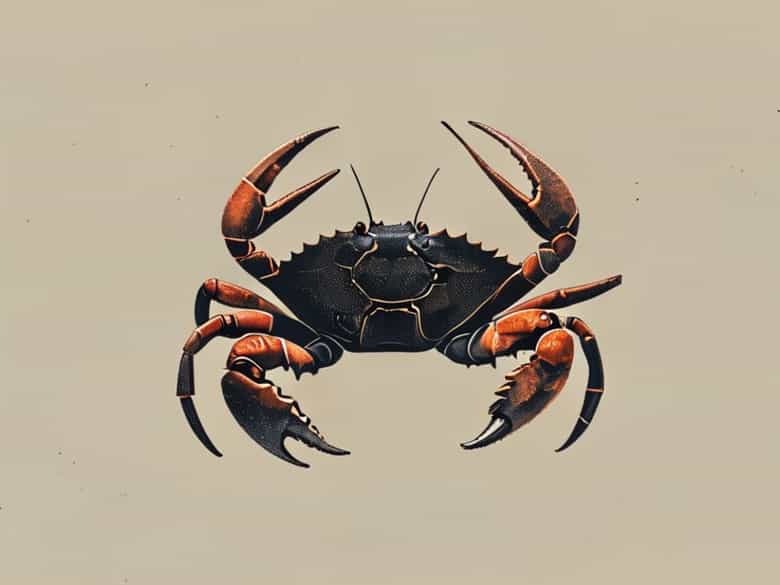
Hermit crabs are fascinating creatures known for their unique behavior of occupying abandoned shells for protection and growth. One of the most important aspects of their life cycle is molting, a process in which they shed their exoskeleton to grow larger and replace damaged or worn body parts. Molting is crucial for their health, development, and survival, but it can be a stressful and vulnerable time for hermit crabs. Many crab owners and enthusiasts often ask, How often do hermit crabs molt? The frequency of molting depends on several factors including age, species, diet, environment, and overall health, making it essential to understand these variables to provide proper care.
Understanding Molting in Hermit Crabs
Molting is a natural process that occurs in all crustaceans, including hermit crabs. Because their exoskeletons do not grow, hermit crabs must periodically shed their old shells to accommodate their increasing body size. During molting, a hermit crab will often bury itself in substrate to protect itself from predators and environmental stress. This period can last from a few days to several weeks depending on the crab’s age and size. Hermit crabs may also molt multiple times in a year, especially when they are young and growing rapidly.
Stages of Molting
The molting process involves several stages that are critical for the crab’s development
- PremoltIn this stage, hermit crabs absorb calcium from their old exoskeleton to strengthen the new one forming underneath. They often become less active and may refuse food.
- MoltingThe actual shedding of the old exoskeleton occurs. This is the most vulnerable stage, and crabs usually bury themselves in the substrate to avoid predators and stress.
- PostmoltAfter shedding, the new exoskeleton is soft and needs time to harden. Hermit crabs remain hidden and require extra humidity and nutrition during this stage.
Factors That Affect Molting Frequency
The frequency of molting in hermit crabs is influenced by a variety of factors. Not all hermit crabs molt at the same rate, and understanding these factors helps owners ensure proper care during this critical period.
Age and Growth
Young hermit crabs molt much more frequently than adults because they are growing rapidly. Juvenile crabs may molt every few weeks to a few months, whereas mature crabs might only molt once or twice a year. As hermit crabs reach full adult size, the molting process slows down significantly, reflecting their reduced growth rate. Monitoring the age and size of your hermit crabs provides insight into how often molting should occur.
Species Variations
Different species of hermit crabs exhibit varying molting frequencies. Some land hermit crabs, like the Caribbean hermit crab (Coenobita clypeatus), may molt more regularly, while other species might take longer intervals between molts. Understanding the species of your hermit crab is essential for anticipating molting behavior and providing the proper environment.
Diet and Nutrition
Proper nutrition plays a critical role in molting. A diet rich in calcium, protein, and essential minerals supports the growth of a strong new exoskeleton. Crabs with inadequate nutrition may experience delayed molting or even molt-related health problems. Providing a variety of foods such as fresh fruits, vegetables, and specialized crab diets helps ensure they have the nutrients required for healthy molting.
Environmental Conditions
The environment, including humidity, temperature, and substrate, significantly affects molting frequency. Hermit crabs require a humid habitat with temperatures that mimic their natural environment. Low humidity can slow down molting or cause difficulties in shedding the exoskeleton. A soft substrate allows crabs to dig and bury themselves during the vulnerable molting process. Creating a stable and suitable environment encourages regular and successful molting.
Signs That a Hermit Crab is About to Molt
Recognizing pre-molt behavior helps owners prepare and minimize stress for their hermit crabs. Common signs include
- Reduced activity or hiding more often than usual
- Loss of appetite or refusal to eat
- Dull or pale coloration in the exoskeleton
- Fumbling or exploring new shells frequently
- Increased digging in the substrate
Precautions During Molting
Molting is a vulnerable time for hermit crabs, and special care is needed. Avoid handling crabs during molting, as they are soft-bodied and can be easily injured. Ensure adequate humidity and access to calcium-rich foods to support exoskeleton development. Maintaining a quiet, stress-free environment helps reduce the risk of complications, including incomplete molts or infections.
Molting Frequency Over a Hermit Crab’s Lifespan
The molting frequency changes as hermit crabs age. Juveniles may molt every few weeks, promoting rapid growth. Adolescents may molt several times a year, while fully grown adults often molt only once or twice annually. Some mature crabs may even skip years between molts if growth has stabilized. Understanding this pattern helps owners predict molting events and provide appropriate care throughout their hermit crab’s life.
Factors That Influence Lifespan Molting
Even in adulthood, certain factors can trigger unexpected molting
- Stress or environmental changes
- Availability of larger shells for growth
- Health status and recovery from injury
- Seasonal changes that mimic natural breeding or growth cycles
Post-Molt Care
After molting, hermit crabs are extremely vulnerable because their new exoskeleton is soft. During this time, it is crucial to provide proper nutrition, maintain humidity, and avoid disturbances. Fresh water and calcium-rich foods help harden the exoskeleton faster. Crabs often remain hidden for several days to weeks until they regain strength and mobility. Proper post-molt care ensures the crab’s health and supports future molting cycles.
Hermit crabs molt as part of their natural growth and development, but the frequency varies depending on age, species, diet, and environmental conditions. Juveniles molt frequently, while adults molt less often, sometimes only once or twice a year. Recognizing the signs of impending molting, maintaining proper habitat conditions, and providing post-molt care are essential for the health and wellbeing of hermit crabs. By understanding how often hermit crabs molt and what factors influence this process, owners can ensure their pets thrive and continue to grow in a safe and supportive environment.