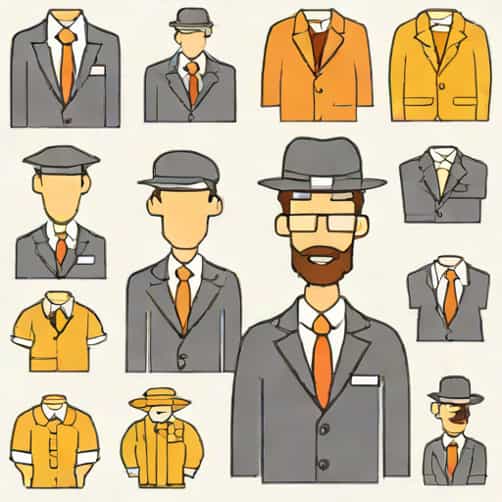
Be proud attire is a concept that emphasizes dressing with confidence and respect for both professional and nonprofessional settings. The way we present ourselves through clothing can impact how others perceive us, as well as how we feel about ourselves. Dressing appropriately for various environments, while expressing individuality, is a balance that can boost self-esteem, enhance professional credibility, and reflect personal values. Understanding the distinctions between professional and nonprofessional attire, along with tips for selecting clothing that communicates pride and confidence, can help individuals navigate social and professional interactions effectively.
Understanding Professional Attire
Professional attire refers to clothing suitable for formal work environments, business meetings, and occasions that require a polished and sophisticated appearance. Dressing professionally demonstrates respect for the workplace, colleagues, and clients. It is not only about following a dress code but also about presenting oneself in a manner that inspires confidence, professionalism, and reliability. Professional attire can vary depending on the industry, organizational culture, and specific events.
Key Components of Professional Attire
- Suits and BlazersClassic tailored suits, blazers, and dress pants are staples of professional attire for both men and women.
- Shirts and BlousesCrisp, clean shirts and blouses convey neatness and attention to detail.
- Skirts and DressesKnee-length or longer skirts and conservative dresses are generally appropriate in formal settings.
- ShoesClosed-toe shoes, dress shoes, or professional flats that are polished and in good condition.
- AccessoriesSubtle jewelry, belts, and ties that complement the outfit without being distracting.
Professional attire communicates competence and seriousness while maintaining a refined and approachable appearance. Colors, patterns, and textures are typically subdued and coordinated, ensuring a cohesive and confident look.
Benefits of Dressing Professionally
- Enhances credibility and respect in professional settings.
- Promotes confidence and self-assurance in interactions.
- Reflects attention to detail and personal discipline.
- Aligns with organizational culture and expectations.
- Facilitates positive first impressions during meetings and interviews.
Nonprofessional Attire and Its Role
Nonprofessional attire encompasses clothing worn in casual, informal, or personal settings. While it allows more freedom of expression, it should still reflect pride in one’s appearance. Nonprofessional attire is not a license to be careless; rather, it provides opportunities to express individuality, creativity, and personal comfort. Being proud of one’s nonprofessional attire involves selecting clothing that fits well, is clean, and aligns with personal style while being appropriate for the occasion.
Elements of Nonprofessional Attire
- Casual ClothingJeans, casual trousers, t-shirts, and casual shirts that are clean and well-fitted.
- ActivewearComfortable and functional clothing for exercise, outdoor activities, or hobbies.
- Social and Leisure WearClothing for social gatherings, family events, or leisure activities that expresses personality and style.
- AccessoriesStatement pieces, hats, or casual footwear that reflect individuality.
Nonprofessional attire encourages creativity and self-expression, but maintaining pride in appearance ensures that personal presentation is always polished and intentional.
Guidelines for Dressing Proudly in Any Setting
Whether in professional or nonprofessional settings, dressing with pride involves attention to detail, fit, and appropriateness. Here are some practical guidelines
Fit and Comfort
- Ensure clothing fits properly; overly tight or baggy items can appear sloppy or unprofessional.
- Prioritize comfort to maintain confidence and ease in movements.
- Choose fabrics and cuts that suit your body type and personal style.
Cleanliness and Maintenance
- Wear clean, pressed, and well-maintained clothing.
- Regularly care for garments by washing, ironing, or dry cleaning as needed.
- Pay attention to footwear hygiene and overall grooming.
Appropriateness for Occasion
- Consider the event or environment when selecting attire.
- Professional attire should align with workplace dress codes or formal event expectations.
- Nonprofessional attire should suit social norms, comfort, and personal expression.
Confidence and Self-Expression
- Wear clothing that makes you feel confident and comfortable in your own skin.
- Incorporate colors, patterns, or accessories that reflect your personality without compromising appropriateness.
- Use attire to enhance, not overshadow, your professional or social presence.
Impact of Being Proud in Attire
Displaying pride in your attire has psychological, social, and professional benefits. It can enhance self-esteem, improve body language, and create positive perceptions among peers and colleagues. In professional environments, it can lead to better interactions, promotions, or networking opportunities. In social and casual settings, it fosters respect and admiration from friends, family, and acquaintances while boosting your personal confidence.
Social Perception
- People often form opinions based on visual cues; well-chosen attire signals responsibility and respect.
- Pride in appearance can inspire others to pay attention to their presentation.
- Appropriate and stylish attire supports effective communication and social engagement.
Being proud in attire, whether in professional or nonprofessional settings, is a reflection of self-respect, confidence, and attention to personal presentation. Professional attire communicates credibility, competence, and alignment with workplace expectations, while nonprofessional attire allows for individuality and comfort without sacrificing pride. By prioritizing fit, cleanliness, appropriateness, and confidence, individuals can navigate any environment successfully. Dressing with intention and pride enhances both self-perception and how others perceive you, creating opportunities for personal and professional growth. Ultimately, adopting a mindful approach to attire ensures that every outfit contributes to your overall presence, allowing you to feel confident and project professionalism or personal style in any situation.