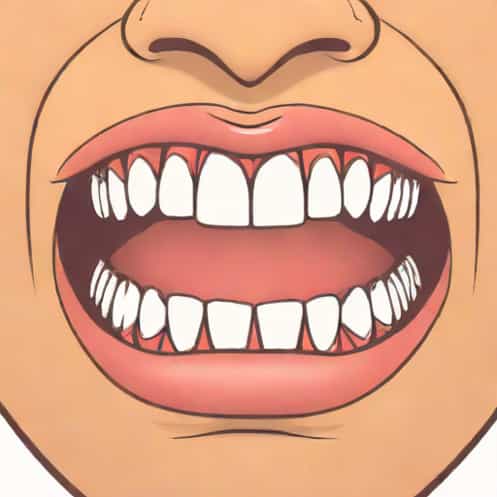
Excessive protrusion of the maxillary incisors is a topic that often appears in dental education, orthodontic discussions, and study materials such as Quizlet sets. For students and general readers alike, the term can sound technical and intimidating at first. However, when broken down, it describes a common dental condition involving the position of the upper front teeth. Understanding what it means, why it happens, and how it is managed can make the concept much easier to grasp and remember.
What Are Maxillary Incisors?
The maxillary incisors are the four front teeth located in the upper jaw. These teeth play a crucial role in biting, cutting food, speech, and facial appearance. Because they are positioned at the front of the mouth, any change in their alignment is usually noticeable.
When these teeth are ideally positioned, they slightly overlap the lower incisors and contribute to a balanced bite. Problems arise when their position shifts too far forward.
Understanding Excessive Protrusion
Excessive protrusion of the maxillary incisors refers to a condition where the upper front teeth extend too far forward in relation to the lower teeth or the facial profile. This condition is sometimes described as proclination or flaring of the incisors.
In orthodontic terminology, excessive protrusion is often associated with increased overjet, which is the horizontal distance between the upper and lower front teeth.
Why This Term Appears in Study Resources
The phrase excessive protrusion of the maxillary incisors frequently appears in exam questions, flashcards, and online study tools like Quizlet because it is an important concept in orthodontics and dental anatomy.
Students are often expected to recognize the condition, understand its causes, and identify appropriate treatment options. The term is also used to describe clinical findings during dental examinations.
Common Causes of Excessive Protrusion
There are several reasons why excessive protrusion of the maxillary incisors may develop. These causes can be genetic, environmental, or related to habits.
Genetic Factors
Genetics plays a major role in jaw size, tooth size, and overall facial structure. Some individuals inherit a tendency for protrusive upper teeth or a smaller lower jaw, which makes the upper incisors appear more prominent.
Family history often provides clues when evaluating this condition.
Thumb Sucking and Oral Habits
Prolonged thumb sucking, pacifier use, or tongue thrusting during childhood can push the maxillary incisors forward over time. These habits apply continuous pressure on the teeth and can alter their position.
If such habits persist beyond early childhood, the risk of excessive protrusion increases.
Dental Crowding
Crowding in the dental arch can force teeth to move forward when there is insufficient space. In some cases, the maxillary incisors protrude as a way to accommodate all the teeth in the upper jaw.
This is commonly discussed in orthodontic case studies and exam scenarios.
Skeletal Jaw Relationships
Excessive protrusion may also be linked to skeletal issues, such as a forward-positioned upper jaw or a retrusive lower jaw. In these cases, the problem is not just dental but also skeletal.
This distinction is important in treatment planning.
Clinical Features and Appearance
People with excessive protrusion of the maxillary incisors often display certain visible characteristics. These features help dentists and orthodontists identify the condition during an examination.
- Upper front teeth that visibly stick out
- Increased overjet between upper and lower incisors
- Difficulty closing lips comfortably
- Lip strain or lip incompetence
These features are commonly referenced in clinical descriptions and study guides.
Functional and Aesthetic Implications
Excessive protrusion of the maxillary incisors is not only an aesthetic concern. It can also affect oral function and overall dental health.
Speech and Biting
Pronunciation of certain sounds may be affected when the incisors are significantly protruded. Biting into foods like apples or sandwiches can also become awkward or inefficient.
Risk of Trauma
Protruded maxillary incisors are more vulnerable to injury. Accidental falls or impacts are more likely to cause fractures or chipping of these teeth.
This increased risk is often highlighted in orthodontic assessments.
Self-Confidence and Appearance
Because the maxillary incisors are highly visible, their protrusion can influence facial aesthetics. Some individuals may feel self-conscious about their smile, which can affect confidence.
This psychological aspect is increasingly recognized in modern dental care.
Diagnosis and Evaluation
Diagnosing excessive protrusion of the maxillary incisors involves both visual examination and measurements. Dentists assess overjet, tooth inclination, and jaw relationships.
Dental models, photographs, and X-rays may be used to evaluate the severity and underlying cause of the protrusion.
Treatment Options
Treatment depends on the age of the patient, the severity of the protrusion, and whether the issue is dental or skeletal.
Orthodontic Treatment
Braces or clear aligners are commonly used to reposition protruded incisors. In some cases, space is created by extracting teeth to allow the incisors to move backward.
This approach is frequently discussed in orthodontic exam questions and learning tools.
Functional Appliances
In growing children and adolescents, functional appliances may be used to guide jaw growth and reduce protrusion. These devices can help correct underlying skeletal relationships.
Surgical Options
In severe skeletal cases, orthognathic surgery may be considered in combination with orthodontics. This option is usually reserved for adults with significant jaw discrepancies.
Why Students Search This Topic Online
The phrase excessive protrusion of the maxillary incisors quizlet suggests that many learners encounter this term while studying for dental or medical exams. Online flashcards often focus on definitions, causes, and clinical significance.
Understanding the concept in context, rather than memorizing a definition, makes it easier to apply in exams and real-world scenarios.
Key Points to Remember
For quick revision and clarity, the following points are often emphasized in study materials
- It refers to forward positioning of upper front teeth
- It is commonly associated with increased overjet
- Causes include genetics, habits, crowding, and skeletal factors
- Treatment varies based on age and severity
Excessive protrusion of the maxillary incisors is a well-known concept in dentistry and orthodontics, frequently appearing in educational resources such as Quizlet. While the terminology may seem complex, it describes a common and understandable dental condition involving the position of the upper front teeth. By understanding its causes, clinical features, and treatment options, students and readers can move beyond memorization and develop a clearer, more practical understanding of the topic. This knowledge is valuable not only for exams but also for appreciating how dental alignment affects function, health, and appearance.