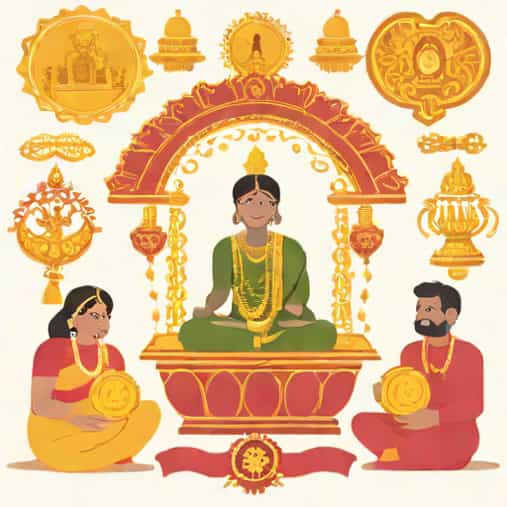
The dowry system in India has been a long-standing social custom that continues to influence marriages, family relationships, and the status of women in society. Though it originated centuries ago as a symbolic gesture of goodwill and support, it has evolved into a complex issue linked to financial pressure, gender inequality, and even violence. Understanding the roots, effects, and current laws related to dowry in India is essential for addressing one of the most persistent social challenges in the country.
Historical Background of the Dowry System
The dowry system in India dates back to ancient times, when it was meant to be a voluntary gift given by the bride’s family to the groom or his family. It was seen as a way of helping the newly married couple start their household and was often given in the form of jewelry, money, or property. During those times, dowry was not a demand but a tradition based on goodwill and affection.
However, as time passed, the system took on a different meaning. With changes in social hierarchy and patriarchy, dowry became a mandatory expectation rather than a voluntary gift. Particularly in medieval and colonial times, dowry became a form of economic transaction that decided a woman’s worth in marriage. This distorted version of the practice slowly led to exploitation, where the bride’s family was pressured to give expensive gifts or large sums of money.
Reasons Behind the Continuation of Dowry
Despite modernization and legal measures, the dowry system still exists in many parts of India. Several cultural, economic, and social factors contribute to its persistence.
1. Social Status and Prestige
In many communities, the amount of dowry given or received is seen as a reflection of the family’s social status. People often feel compelled to offer large dowries to maintain their reputation in society. This social pressure perpetuates the custom and makes it difficult to eradicate.
2. Economic Factors
For many families, especially in rural areas, dowry is viewed as a form of financial security for the groom and his family. In some cases, it becomes an opportunity to recover the expenses spent on the groom’s education or upbringing. Unfortunately, this commercial mindset reduces marriage to a financial deal.
3. Gender Inequality
Patriarchal attitudes play a major role in sustaining the dowry system. In many regions, daughters are seen as financial burdens, while sons are viewed as assets. This bias reinforces the idea that a woman’s family must pay for her marriage, further diminishing women’s value and independence.
4. Fear of Social Rejection
Families who refuse to pay dowry often face social stigma or difficulties in finding suitable matches for their daughters. The fear of societal judgment pushes many parents to conform to this harmful practice, even when it causes severe financial strain.
Consequences of the Dowry System
The dowry system has far-reaching effects that extend beyond financial hardship. It affects women’s rights, mental health, and even their safety.
1. Financial Burden on Families
For poor and middle-class families, the dowry system can lead to unbearable financial pressure. Many parents take loans, sell property, or deplete their savings to meet dowry demands. This economic strain can lead to lifelong debt and emotional distress.
2. Domestic Violence and Dowry Deaths
In extreme cases, dowry-related conflicts have resulted in harassment, abuse, and even murder. Some brides are tortured or killed by their in-laws for bringing insufficient dowry. The term dowry death has sadly become part of India’s legal and social vocabulary. Despite strict laws, such cases still occur across various states.
3. Gender Discrimination and Devaluation of Women
Dowry perpetuates the notion that women are economic liabilities. It reinforces gender inequality by making marriage a transactional relationship where women are treated as property. This mindset also discourages the birth of daughters in certain communities, contributing to an imbalanced sex ratio in some regions.
4. Psychological and Emotional Impact
Women who face dowry-related harassment often experience severe mental trauma. They may suffer from anxiety, depression, or social isolation. The emotional toll can last for years, affecting not only the woman but also her children and extended family.
Legal Framework Against Dowry in India
Recognizing the harmful effects of dowry, the Indian government has introduced several laws to combat the practice. The Dowry Prohibition Act of 1961 is the most important legislation addressing this issue. According to this law, giving or taking dowry is a punishable offense. The law defines dowry as any property or valuable security given directly or indirectly in connection with a marriage.
Additionally, Section 498A of the Indian Penal Code (IPC) provides legal protection for women subjected to cruelty or harassment by their husbands or in-laws related to dowry demands. In the case of dowry deaths, Section 304B of the IPC ensures that strict penalties are applied, including imprisonment.
Despite these laws, enforcement remains a challenge. Many cases go unreported due to fear, social stigma, or lack of awareness. Moreover, legal procedures can be slow and emotionally draining for victims and their families. Continuous public awareness and stronger implementation of these laws are crucial to bringing real change.
Government and Social Initiatives
In recent years, both government and non-governmental organizations (NGOs) have launched campaigns to raise awareness and educate people about the dangers of dowry. Programs promoting gender equality and women’s empowerment have been key to reducing the practice. Some initiatives include
- Beti Bachao Beti Padhao– A national campaign encouraging the education and empowerment of girls.
- Women Helpline Numbers– Providing assistance to women facing harassment or abuse.
- Awareness Drives– Workshops and public seminars that spread knowledge about dowry laws and women’s rights.
Social media has also become a powerful platform for spreading awareness and mobilizing people against dowry-related crimes. Young men and women are increasingly refusing to participate in marriages involving dowry, marking a positive shift in societal attitudes.
Changing Attitudes and Modern Perspectives
Modern education, urbanization, and women’s economic participation have gradually begun to challenge the dowry system. Many educated families now reject the idea of dowry altogether, recognizing it as a backward and unethical custom. Couples in urban areas increasingly prefer marriages based on equality and mutual respect rather than financial exchanges.
However, in rural regions and among traditional communities, the practice continues, though often in disguised forms such as gifts or marriage support. Ending dowry completely requires not only legal measures but also a change in mindset. Empowering women through education and employment is one of the most effective ways to break the cycle.
Steps to Eradicate the Dowry System
To eliminate the dowry system in India, efforts must come from all levels of society. Some important steps include
- Promoting awareness about the negative effects of dowry through education and media.
- Encouraging women to report cases of dowry harassment without fear.
- Strengthening the implementation of dowry prohibition laws.
- Empowering women through education, employment, and financial independence.
- Recognizing and celebrating marriages that reject dowry as role models for others.
The dowry system in India is more than just a cultural practice-it is a social issue rooted in gender inequality and economic disparity. Though it began as a tradition of goodwill, it has turned into a source of suffering for countless women and families. With education, awareness, and strong legal enforcement, India can move toward a society where marriage is based on love, respect, and equality, not financial exchange. Ending dowry is not merely a legal necessity but a moral responsibility for every individual who believes in justice and human dignity.