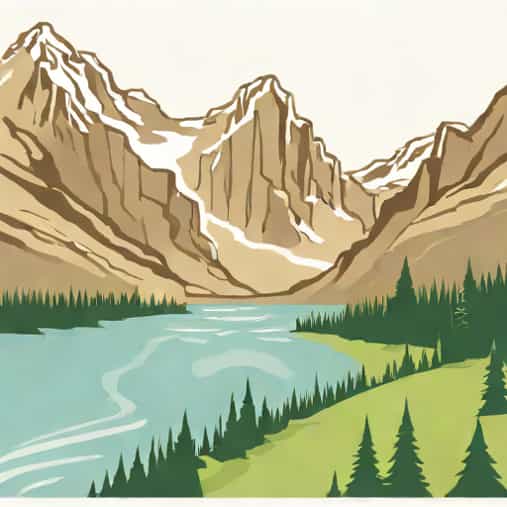
Glacier National Park, located in the northern Rocky Mountains of Montana, is one of the most breathtaking natural landscapes in the United States. Known for its towering peaks, expansive valleys, pristine lakes, and diverse wildlife, the park offers visitors a chance to experience wilderness in its purest form. Established in 1910, Glacier National Park spans over one million acres and forms part of the larger Waterton-Glacier International Peace Park, which extends into Canada. The park’s unique combination of geological features, ecological diversity, and recreational opportunities makes it a destination for hikers, campers, photographers, and nature enthusiasts from around the world.
History and Establishment
Glacier National Park was officially established on May 11, 1910, by an act of the United States Congress. The park was created to preserve the area’s unique geological formations, scenic landscapes, and rich biodiversity. The region was originally inhabited by Native American tribes such as the Blackfeet, Salish, and Kootenai, who used the land for hunting, fishing, and gathering. Their cultural and historical presence continues to influence the park’s interpretive programs and conservation practices.
Early explorers, fur traders, and settlers recognized the region’s natural beauty and ecological importance. The development of the park brought attention to conservation efforts in the United States and contributed to the growing national park movement. Today, Glacier National Park is not only a natural treasure but also a symbol of early 20th-century conservation ideals and international cooperation through the Peace Park designation with Canada.
Geography and Landscape
Glacier National Park is characterized by its dramatic topography, shaped by glaciers, rivers, and tectonic activity over millions of years. The park features rugged mountains, deep valleys, and more than 130 named lakes, each providing scenic views and habitats for diverse wildlife. Notable peaks include Mount Cleveland, the highest point in the park at 10,466 feet, and Grinnell Point, popular for its iconic reflections in surrounding lakes.
The park’s landscape is divided into distinct regions, each offering unique experiences. The Going-to-the-Sun Road, a famous scenic drive, crosses the Continental Divide and provides access to high-elevation viewpoints and trailheads. Alpine meadows, old-growth forests, and glacially carved valleys showcase the park’s ecological diversity and geological history. Visitors can witness the remnants of ancient glaciers, which continue to shape the environment and contribute to ongoing scientific research.
Glaciers and Climate
Glacier National Park was named for its glaciers, though climate change has significantly reduced their number and size over the past century. Historically, the park contained more than 150 glaciers, but today fewer than 30 active glaciers remain. These glaciers are critical for maintaining water flow in rivers and lakes, supporting both plant and animal life.
The park experiences a range of climatic conditions due to its varied elevation and terrain. Lower valleys may have warmer temperatures and shorter winters, while high alpine areas experience heavy snowfall and frigid temperatures. Seasonal variations influence accessibility, wildlife behavior, and recreational opportunities, making planning essential for visitors seeking a full experience of the park’s natural wonders.
Flora and Fauna
Glacier National Park is home to a remarkable array of plant and animal species, reflecting its diverse ecosystems. Forested areas are dominated by coniferous trees such as lodgepole pine, Douglas fir, and subalpine fir, while alpine meadows bloom with wildflowers including Indian paintbrush, glacier lilies, and beargrass. The park’s vegetation supports a complex web of wildlife and contributes to its scenic beauty.
Wildlife in Glacier National Park is abundant and includes iconic North American species. Large mammals such as grizzly bears, black bears, mountain goats, and bighorn sheep roam the park, while smaller animals like marmots, pikas, and foxes are commonly observed. The park also hosts over 260 species of birds, including bald eagles, ospreys, and great horned owls. Aquatic life in its rivers and lakes features native fish such as cutthroat trout, providing opportunities for fishing and ecological study.
Conservation and Environmental Challenges
Maintaining Glacier National Park’s natural integrity is an ongoing effort. Climate change, invasive species, and human activity pose significant challenges to the park’s ecosystems. Glacier retreat and changing snowfall patterns have altered hydrological cycles, affecting plant communities and wildlife habitats. Park management employs scientific research, habitat restoration, and visitor education programs to mitigate these impacts and promote sustainable recreation.
Collaboration with Native American tribes and conservation organizations also supports cultural preservation and environmental stewardship. Initiatives include monitoring wildlife populations, restoring native plant species, and protecting sensitive habitats from overuse. These efforts ensure that Glacier National Park remains a model of conservation for future generations.
Recreational Opportunities
Glacier National Park offers a wide range of recreational activities for visitors. Hiking is one of the most popular pursuits, with over 700 miles of trails ranging from easy nature walks to challenging backcountry routes. Notable trails include the Highline Trail, Grinnell Glacier Trail, and Hidden Lake Overlook, each offering unique views of the park’s geological features and wildlife.
Camping is widely available, with both developed campgrounds and backcountry sites. Ranger-led programs provide educational opportunities, including guided hikes, wildlife talks, and cultural demonstrations. Photography, kayaking, fishing, and wildlife observation are also popular activities that allow visitors to connect with the park’s natural beauty and ecological diversity.
Tips for Visitors
- Plan visits during late spring through early fall for optimal weather and accessibility.
- Reserve accommodations and campsites well in advance, especially during peak summer months.
- Follow Leave No Trace principles to minimize environmental impact and protect fragile ecosystems.
- Be prepared for sudden weather changes, particularly in high-elevation areas.
- Observe wildlife from a safe distance and avoid feeding animals to maintain natural behaviors.
Significance and Legacy
Glacier National Park holds ecological, cultural, and recreational significance. Its unique landscapes provide a living laboratory for scientific research, while its cultural heritage preserves the stories and traditions of Native American tribes. The park’s creation and continued protection exemplify the value of national parks in promoting conservation, outdoor recreation, and environmental education.
The international designation as part of Waterton-Glacier International Peace Park highlights cross-border collaboration in preserving natural landscapes. This partnership underscores the importance of global cooperation in environmental stewardship and fosters tourism and cultural exchange between the United States and Canada.
About Glacier National Park, it is clear that its vast wilderness, geological marvels, and abundant wildlife make it one of the most remarkable national parks in North America. From its historical establishment to its modern conservation efforts, the park continues to inspire visitors and researchers alike. Whether hiking along alpine trails, observing wildlife, or simply taking in the panoramic views, Glacier National Park offers an unforgettable experience that connects people to nature and the legacy of conservation. Its ongoing preservation ensures that future generations can continue to enjoy the beauty and ecological richness of this extraordinary landscape.