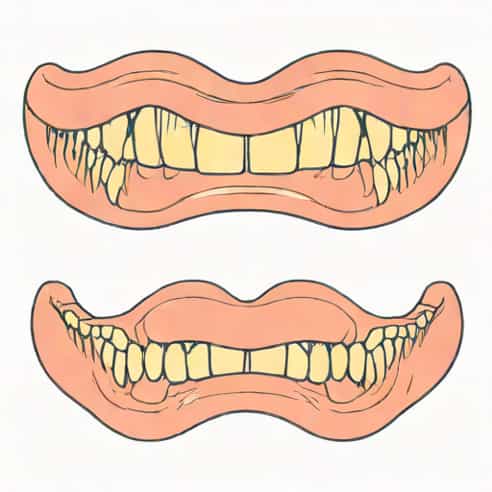
Understanding the anatomy of the human mouth is essential for both dental professionals and individuals interested in oral health. One common point of confusion is whether the term maxillary refers to the upper or lower part of the mouth. Clarifying this concept is important for understanding dental charts, procedures, and general oral care. The maxilla plays a crucial role in supporting the teeth, forming the roof of the mouth, and contributing to facial structure. Knowing its location and function can help patients communicate effectively with their dentists and make informed decisions about their dental care.
Definition of Maxillary
The term maxillary refers to anything related to the maxilla, which is the upper jaw of the human skull. The maxilla is paired, meaning there is one on each side of the face, and it houses the upper teeth. It also forms part of the nasal cavity and the floor of the orbits that protect the eyes. In dentistry, the maxillary region is critical because it provides support for the upper set of teeth, influences bite alignment, and contributes to overall oral health.
Anatomical Features of the Maxilla
The maxilla has several important features that distinguish it from the lower jaw, or mandible. These include
- Palatine ProcessThis forms the front portion of the hard palate, separating the oral and nasal cavities.
- Alveolar ProcessThis ridge holds the upper teeth in place and provides structural support for chewing and speaking.
- Maxillary SinusesAir-filled cavities located within the maxilla that lighten the skull’s weight and influence resonance in the voice.
- Frontal ProcessPart of the maxilla that connects with the frontal bone of the forehead, contributing to facial structure.
Maxillary vs. Mandibular
To clearly understand that the maxillary refers to the upper jaw, it is useful to compare it to the mandibular region. The mandible is the lower jaw, which is mobile and holds the lower teeth. In contrast, the maxilla is fixed, providing a stable foundation for the upper teeth. This distinction is important in dentistry because procedures, appliances, and treatments often differ depending on whether they target the maxillary or mandibular region.
Functions of the Maxilla
The maxilla serves multiple essential functions in the oral cavity and facial structure
- Supporting Upper TeethThe alveolar process of the maxilla securely holds the upper teeth and allows for effective biting and chewing.
- Forming the Hard PalateThe palatine process creates the roof of the mouth, separating oral and nasal cavities, which is crucial for proper speech and swallowing.
- Facial StructureThe maxilla contributes to the shape and appearance of the midface, influencing aesthetics and symmetry.
- Respiratory FunctionsBy forming part of the nasal cavity floor, the maxilla plays a role in breathing and sinus health.
Dental Implications of Maxillary Anatomy
Understanding that the maxillary region corresponds to the upper jaw is important in various dental procedures and treatments. For example, orthodontists need to assess the alignment of maxillary teeth to design braces or retainers. Oral surgeons consider the maxilla’s structure when performing extractions, implants, or corrective surgeries. Additionally, dentists evaluate maxillary bone health for procedures like root canals, crowns, and fillings. The maxillary region’s fixed position makes it different from the mandible in terms of movement and structural considerations.
Maxillary Teeth Classification
The teeth in the maxillary region are categorized just like those in the mandible. They include
- IncisorsFront teeth used for cutting food.
- CaninesPointed teeth used for tearing food.
- PremolarsTransitional teeth that help in both tearing and grinding food.
- MolarsLarge, flat teeth at the back of the mouth used for grinding and chewing.
Knowledge of these categories helps dental professionals plan treatments and educate patients about oral hygiene practices specific to the maxillary teeth.
Common Maxillary Procedures
Several dental procedures specifically target the maxillary region. These include
- Braces and AlignersOrthodontic treatments often begin with the maxillary teeth to correct bite issues and align the upper jaw with the lower jaw.
- ImplantsDental implants in the maxillary region restore missing teeth while considering the maxilla’s bone density and sinus location.
- ExtractionsRemoving impacted or damaged upper teeth requires knowledge of maxillary anatomy to avoid complications.
- Sinus Lift SurgerySometimes necessary before placing implants in the upper jaw to ensure adequate bone support.
Impact on Oral Health
The health of the maxillary region directly affects overall oral functionality and well-being. Issues such as maxillary bone loss, gum disease, or misaligned upper teeth can lead to difficulties in chewing, speech problems, and facial asymmetry. Regular dental checkups, proper oral hygiene, and timely treatment of maxillary issues are essential for maintaining both aesthetics and function. Knowing that the maxilla corresponds to the upper jaw helps patients understand the focus of their dental care.
In summary, the maxillary region refers to the upper jaw, which plays a critical role in supporting teeth, forming the roof of the mouth, and maintaining facial structure. Its distinction from the mandibular, or lower jaw, is important in dental anatomy, treatment planning, and oral health maintenance. Understanding the maxilla’s anatomy, functions, and implications for dental procedures allows patients and professionals to communicate effectively, plan treatments accurately, and ensure optimal oral health. Whether for routine care or specialized procedures, knowing that the maxillary area corresponds to the upper jaw is fundamental knowledge for anyone involved in dental health.