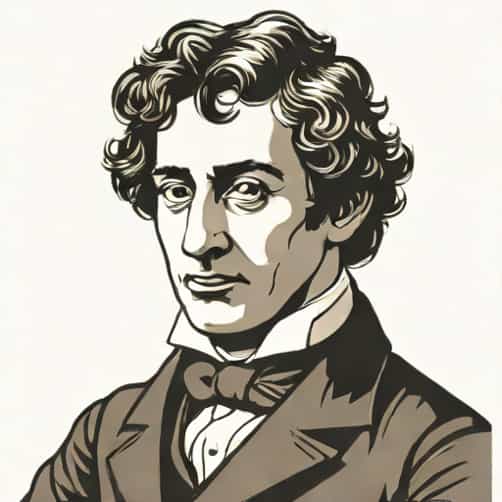
Charles Lamb is widely regarded as one of the most charming and insightful essayists in English literature. Among his many contributions, Lamb is particularly celebrated for his autobiographical essays, in which he blends personal experience, literary reflection, and acute observation of human nature. Through these essays, readers gain a glimpse not only of Lamb’s own life but also of the social, cultural, and literary milieu of his time. His works are noted for their warmth, humor, and poignant honesty, qualities that make him a quintessential autobiographical essayist.
Charles Lamb and the Essay Tradition
Lamb’s essays form part of the rich tradition of English essay writing, which includes figures like Francis Bacon, William Hazlitt, and Samuel Johnson. However, Lamb distinguished himself by focusing on personal experience, domestic life, and literary reminiscences rather than philosophical or argumentative discourse. His essays often read like intimate letters to the reader, revealing both his mind and his emotions in a style that is approachable and deeply human.
Defining Autobiographical Essay
An autobiographical essay is a form of writing in which the author reflects upon personal experiences, often intertwining memory with observation and commentary. Unlike a formal autobiography, which seeks to present a comprehensive life story, the autobiographical essay is selective, thematic, and reflective. Charles Lamb’s essays, particularly those in the collectionEssays of Elia, exemplify this genre by merging his personal narrative with broader literary and cultural insights.
Personal Life Reflected in Essays
One of the reasons Lamb is recognized as an autobiographical essayist is his candid portrayal of his own life, including joys, sorrows, and everyday experiences. His essays often draw on personal memories, childhood experiences, and family relationships. Lamb’s reflections on his sister, Mary, with whom he shared a deep and lifelong bond, are among the most moving and revealing examples of his autobiographical style.
Family and Domestic Life
Lamb’s essays frequently focus on his home, family, and personal routines. In pieces such as A Dissertation upon Roast Pig, he mixes anecdotal storytelling with literary reflection, presenting ordinary events with humor and affection. Similarly, essays that recount his relationship with Mary Lamb provide insight into the challenges and comforts of domestic life in early 19th-century London.
Childhood Memories
Childhood recollections form a significant aspect of Lamb’s autobiographical essays. Essays like The Old Benchers of the Inner Temple draw on memories of his youth, educational experiences, and early literary influences. Through these reflections, Lamb not only reconstructs his past but also meditates on the nature of memory, time, and human experience, allowing readers to understand his personal development alongside cultural context.
Literary Reminiscences and Personal Insight
Another defining feature of Lamb’s autobiographical essays is his interweaving of literary commentary with personal experience. Lamb was deeply engaged with literature and often used his essays as a vehicle for exploring his favorite authors, books, and literary traditions. These reflections are inherently autobiographical because they reveal Lamb’s tastes, values, and intellectual development.
Essays on Literature
Lamb’s essays frequently contain discussions of authors he admired, such as Shakespeare, Milton, and his contemporaries. In On the Artificial Comedy of the Last Century, for example, Lamb combines literary critique with personal anecdote, illustrating how his own reading experiences shaped his sensibilities. By grounding literary analysis in personal experience, Lamb creates essays that are both educational and intimate.
Humor and Pathos
Lamb’s autobiographical essays are notable for their balance of humor and pathos. While he often recounts amusing incidents or witty observations, he does not shy away from grief, loneliness, or the difficulties of life. This combination of lightheartedness and sincerity provides readers with a well-rounded portrait of the author’s inner world and ensures that his essays resonate on a deeply human level.
Style and Technique
Charles Lamb’s style is central to his effectiveness as an autobiographical essayist. His essays are characterized by simplicity, charm, and a conversational tone that invites readers into his personal reflections. Lamb often uses the first person, creating a sense of intimacy, and his essays are rich in imagery, anecdote, and literary allusion.
Use of First-Person Narration
First-person narration allows Lamb to present his experiences directly, creating a connection with the reader. He often addresses the reader in a familiar tone, making his essays feel like friendly conversations. This technique enhances the autobiographical nature of his writing, as it foregrounds his personal voice and perspective.
Blend of Humor and Reflection
Lamb’s essays skillfully combine humor with reflective insight. Even in essays recounting difficult experiences or personal loss, there is often a gentle wit or ironic observation. This balance helps maintain the reader’s engagement while also conveying deeper truths about human life, memory, and society.
Impact and Legacy
Charles Lamb’s autobiographical essays have had a lasting influence on English literature and the essay genre. By prioritizing personal experience, memory, and literary reminiscence, Lamb helped expand the possibilities of the essay as a form. His work inspired later essayists such as William Hazlitt and Thomas De Quincey, who also integrated personal reflection with literary and cultural commentary.
Influence on Modern Essayists
Lamb’s approach to the autobiographical essay continues to influence modern writers who seek to combine personal narrative with broader reflections. Contemporary essayists often emulate Lamb’s conversational tone, wit, and attention to detail, demonstrating the enduring relevance of his style.
Enduring Appeal
The appeal of Lamb’s essays lies in their humanity. Readers are drawn to his honesty, his empathy, and his ability to transform personal experiences into universal reflections on life. His essays are not only autobiographical documents but also works of art that capture the essence of human experience in a way that is both personal and universally relatable.
Charles Lamb stands out as an exemplary autobiographical essayist because of his ability to blend personal experience with literary reflection, humor, and emotional depth. His essays provide intimate glimpses into his life, his relationships, and his literary passions, while also engaging with broader cultural and social themes. By combining the personal and the literary, Lamb created a body of work that continues to resonate with readers and influence essayists centuries later. His essays remain a model for autobiographical writing, demonstrating how personal narrative can illuminate both the self and the wider world.