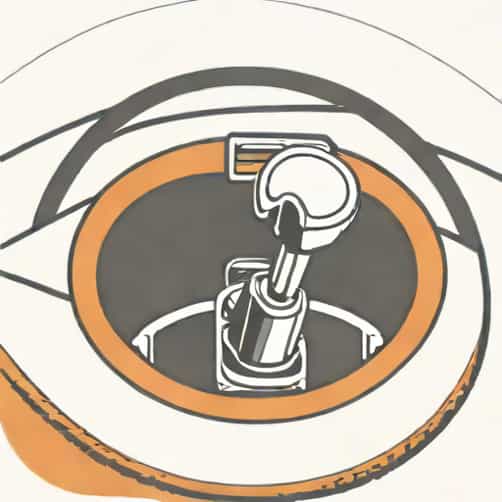
Operating a vehicle smoothly and safely requires understanding the basic mechanisms that control its movement, one of which is the gearshift lever. The gearshift lever is an essential component in both automatic and manual transmission vehicles, allowing the driver to control the flow of power from the engine to the wheels. Among the various positions on an automatic transmission, the ‘P’ or Park position is critical for ensuring the vehicle remains stationary when not in use. Engaging the gearshift lever in ‘P’ may seem straightforward, but it involves a combination of mechanical design, safety considerations, and driver awareness to function effectively.
Understanding the Gearshift Lever
The gearshift lever, sometimes called the gear selector, is the interface between the driver and the vehicle’s transmission system. In automatic vehicles, it typically includes several positions Park (P), Reverse (R), Neutral (N), Drive (D), and sometimes additional options like Low (L) or Sport (S). Each position serves a specific function, controlling how power is delivered to the wheels. Manual vehicles, on the other hand, use the gearshift lever to select gears directly, requiring synchronization with the clutch pedal. In both cases, proper use of the gearshift lever is crucial for vehicle performance, safety, and longevity.
Purpose of the ‘P’ (Park) Position
The ‘P’ or Park position is specifically designed to lock the transmission and prevent the vehicle from rolling when stationary. When the gearshift lever is engaged in ‘P’, a mechanism called the parking pawl engages within the transmission. This small metal pin fits into a notch in a gear, physically preventing the wheels from turning. Engaging ‘P’ is particularly important when parking on inclines, as it provides a mechanical safeguard in addition to the parking brake. The Park position ensures the vehicle remains immobile even if the parking brake fails, making it a primary safety feature in automatic vehicles.
Steps to Engage the Gearshift Lever in ‘P’
Engaging the gearshift lever in ‘P’ requires deliberate steps to ensure safety and prevent damage to the transmission. Most modern vehicles are equipped with shift interlock systems, which prevent the lever from moving into ‘P’ or other positions unless certain conditions are met. For example, the brake pedal must typically be pressed before shifting from Drive or Reverse into Park. This prevents accidental engagement while the vehicle is moving, which could result in transmission damage or accidents.
Step-by-Step Guide
- Bring the Vehicle to a Complete StopEnsure the car is fully stationary before attempting to shift into Park. Engaging ‘P’ while the vehicle is moving can damage the parking pawl and other transmission components.
- Press the Brake PedalDepress the brake pedal fully to satisfy the shift interlock mechanism. This step is essential for safety and prevents accidental gear engagement.
- Move the Gearshift Lever to ‘P’While holding the brake, shift the lever into the Park position. You may feel a slight click as the parking pawl engages, indicating that the transmission is locked.
- Engage the Parking BrakeAlthough ‘P’ mechanically locks the transmission, using the parking brake adds an extra layer of security, especially on slopes.
- Turn Off the EngineOnce the gearshift lever is in ‘P’ and the parking brake is engaged, you can safely turn off the vehicle.
Importance of Proper Engagement
Properly engaging the gearshift lever in ‘P’ is not merely a procedural task; it has significant safety and mechanical implications. If the lever is not fully in Park, the vehicle may roll unexpectedly, posing a risk to pedestrians, property, and the driver. Additionally, attempting to force the lever into ‘P’ while the car is in motion can cause severe damage to the transmission system, resulting in costly repairs. Therefore, understanding the correct method of engagement is crucial for vehicle safety and longevity.
Common Mistakes to Avoid
Despite its simplicity, drivers often make errors when engaging the gearshift lever in ‘P’. Some common mistakes include
- Shifting into ‘P’ without fully stopping the vehicle.
- Failing to press the brake pedal before attempting to engage Park.
- Neglecting to use the parking brake as an additional safety measure.
- Forcing the gearshift lever if it feels stuck, which can damage the transmission.
Avoiding these mistakes ensures the vehicle remains secure and the transmission remains in good working condition.
Technical Aspects of the Park Mechanism
The Park position involves intricate mechanical components that work together to prevent wheel movement. The parking pawl, a metal pin or lever, engages with a toothed wheel inside the transmission called the parking gear. This engagement physically locks the transmission, making it impossible for the vehicle to roll. The design is robust, but it is still vulnerable to misuse, such as shifting into Park while the vehicle is moving or applying excessive force. Understanding this mechanism helps drivers appreciate why following proper procedures is essential.
Integration with Shift Interlock Systems
Modern vehicles often include a shift interlock system, which adds an electronic safety feature to prevent accidental gear engagement. The interlock requires the brake pedal to be pressed before shifting out of Park and may also prevent shifting into Park from Drive at high speeds. This system protects both the vehicle and its occupants by reducing the likelihood of accidents or transmission damage. Drivers should be aware of this feature and always follow the recommended sequence for shifting into ‘P’.
Practical Tips for Drivers
For optimal safety and maintenance, drivers should adopt certain habits when using the gearshift lever in ‘P’. These include
- Always coming to a complete stop before engaging Park.
- Using the parking brake as a standard practice, regardless of whether the vehicle is on a flat surface or incline.
- Being gentle when shifting the lever into Park to avoid straining the transmission components.
- Regularly inspecting the gearshift mechanism and transmission system for wear or malfunction.
Following these tips enhances vehicle safety, prolongs transmission life, and ensures a smooth driving experience.
Significance in Vehicle Safety
The gearshift lever in ‘P’ plays a vital role in overall vehicle safety. Engaging Park correctly prevents unintended movement, protects pedestrians, and reduces the risk of accidents during parking. It also minimizes wear on the transmission and supports long-term vehicle maintenance. In conjunction with the parking brake, the Park position ensures that vehicles remain stable even on slopes, offering peace of mind to drivers in various conditions.
Engaging the gearshift lever in ‘P’ is a fundamental practice for safe and responsible driving. While it may appear simple, it involves precise mechanical and safety considerations that protect both the vehicle and its occupants. Understanding the function of the Park position, the role of the parking pawl, and the integration of shift interlock systems underscores the importance of following proper procedures. By adhering to recommended steps-bringing the vehicle to a complete stop, pressing the brake pedal, gently shifting into Park, and engaging the parking brake-drivers ensure that their vehicles remain secure and their transmissions remain in optimal condition. Proper use of the gearshift lever in ‘P’ is a small yet critical part of vehicle operation, highlighting the importance of safety, maintenance, and awareness in everyday driving.