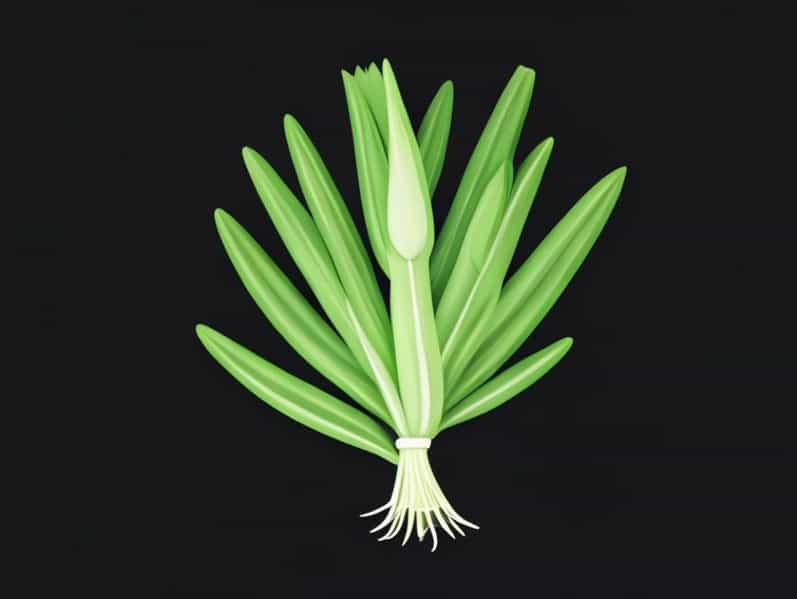
Fennel is a versatile herb and vegetable known for its distinct aroma and flavor, often described as a blend of sweet, herbal, and slightly spicy notes. Its taste can be compared to a mild anise or licorice flavor, which makes it unique among vegetables and herbs. Both the bulb and fronds of fennel can be used in cooking, each offering a slightly different flavor profile. Understanding what fennel tastes like can help you incorporate it into dishes more effectively, whether you are preparing salads, roasting it as a vegetable, or using it as a seasoning for meats, soups, and sauces.
Understanding the Flavor Profile of Fennel
Fennel has a complex flavor that can be described as sweet, aromatic, and mildly peppery. The primary compound responsible for its distinctive taste is anethole, which is also found in anise and star anise. This compound gives fennel its characteristic licorice-like taste, though it is typically more subtle and refreshing than the intense sweetness of candy anise. Some people notice a slightly herbal or earthy undertone, which balances the natural sweetness of the vegetable.
Fresh Fennel vs. Cooked Fennel
The taste of fennel can vary depending on how it is prepared. Fresh fennel, particularly the crunchy bulb, has a crisp texture and a slightly sweet, mild licorice flavor. The fronds and seeds have a more concentrated, aromatic taste, making them ideal for garnishing or seasoning. Cooking fennel changes its flavor profile, softening the texture and intensifying the sweetness while reducing the sharp licorice notes. Roasting, grilling, or sautéing fennel brings out a nutty, caramelized flavor that pairs well with a wide variety of dishes.
Uses of Fennel in Cooking
Fennel is incredibly versatile in the kitchen and can be used in both raw and cooked forms. Understanding its taste helps you select the right preparation method to complement your dish.
Raw Fennel
When eaten raw, fennel is crisp and refreshing. Its mild licorice flavor adds a unique twist to salads, slaws, and sandwiches. Thinly sliced fennel bulb can be paired with citrus fruits like oranges or grapefruits to create a bright, balanced salad. Raw fennel can also be used as a garnish, providing both flavor and texture.
Cooked Fennel
Cooking fennel softens the fibrous texture of the bulb and enhances its natural sweetness. Roasting fennel with olive oil, salt, and pepper brings out a subtle caramelized flavor. Sautéing or braising fennel is excellent for soups, stews, and pasta dishes, where it adds depth and complexity. Fennel pairs well with seafood, chicken, pork, and root vegetables, making it a versatile addition to many recipes.
Fennel Seeds
Fennel seeds have a more intense flavor than the bulb or fronds. They are slightly sweet, aromatic, and peppery, often used in spice blends, sausages, and baked goods. Toasting fennel seeds can enhance their aroma and bring out a slightly smoky, nutty note. They are also popular in herbal teas and traditional remedies for digestion and bloating.
Comparing Fennel to Similar Flavors
For those unfamiliar with fennel, its flavor is often compared to anise, star anise, and licorice. However, fennel is generally milder, less sweet, and more versatile in savory dishes. Unlike the intense sweetness of candy licorice, fennel provides a subtle herbal note that complements a wide variety of ingredients. Some people also detect a slight celery-like taste in fennel, particularly when the bulb is raw, which adds to its crisp and refreshing quality.
Fennel in International Cuisines
Fennel is widely used in Mediterranean, Italian, Indian, and Middle Eastern cuisines. In Italy, roasted fennel or fennel salads are common, while in India, fennel seeds are used as a spice in curries and as a digestive after meals. In Middle Eastern cuisine, fennel can be used in stews, roasted vegetable dishes, and spice blends. Understanding fennel’s taste allows chefs and home cooks to incorporate it appropriately into both traditional and modern dishes.
Health Benefits and Flavor Interaction
Fennel’s distinct flavor also contributes to its health benefits. The aromatic compounds, including anethole, have antioxidant and anti-inflammatory properties. Fennel is known to aid digestion, reduce bloating, and support overall gut health. Its sweet, herbal taste makes it easier to include in both savory and sweet dishes, allowing its health benefits to be enjoyed without compromising flavor. Combining fennel with citrus, seafood, or lightly roasted meats enhances the overall taste profile of a dish, making it both nutritious and delicious.
Pairing Fennel with Other Ingredients
To make the most of fennel’s flavor, consider these pairing tips
- Citrus fruits Oranges, lemons, and grapefruits enhance the freshness of raw fennel.
- Seafood Fennel’s mild sweetness complements fish, shrimp, and scallops.
- Herbs Dill, parsley, and basil pair well with fennel in salads and cooked dishes.
- Root vegetables Carrots, potatoes, and parsnips balance fennel’s licorice notes when roasted.
- Spices Fennel seeds can be combined with cumin, coriander, and black pepper for aromatic dishes.
Common Misconceptions About Fennel’s Taste
Some people are hesitant to try fennel because they associate it with the strong sweetness of licorice candies. In reality, fennel’s flavor is much more subtle and adaptable. When cooked, the licorice notes diminish, and the sweetness becomes more natural and earthy. Even those who do not typically enjoy licorice often find fennel pleasant when roasted or sautéed, making it a versatile vegetable for a variety of palates.
Tips for Enjoying Fennel
To fully appreciate fennel’s unique taste, follow these tips
- Slice raw fennel thinly to enjoy its crisp texture and mild flavor in salads.
- Roast or grill fennel to bring out its natural sweetness and reduce licorice intensity.
- Use fennel seeds sparingly in cooking if you prefer a subtle hint of flavor rather than a strong taste.
- Pair fennel with complementary flavors like citrus, olive oil, garlic, or seafood for balanced dishes.
- Experiment with both the bulb and fronds to experience the full spectrum of fennel’s taste.
Fennel has a distinctive taste that blends sweetness, herbal notes, and mild licorice flavor, making it unique among vegetables and herbs. Its flavor varies depending on whether it is raw, cooked, or used as seeds, offering versatility in cooking and pairing options. Understanding what fennel tastes like allows home cooks and professional chefs to use it effectively in salads, roasted dishes, soups, and spice blends. By experimenting with preparation methods and pairings, you can enjoy fennel’s crisp, aromatic, and subtly sweet flavor while also benefiting from its nutritional and digestive properties. Whether you are trying it for the first time or looking to incorporate it into new recipes, fennel is a flavorful and healthful addition to any kitchen.