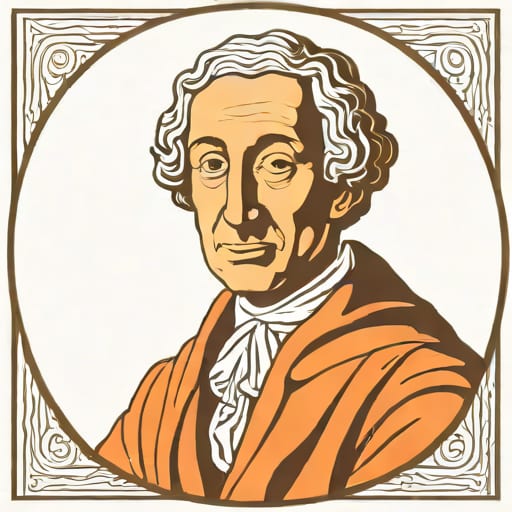
Montesquieu, a renowned French philosopher of the Enlightenment era, is celebrated for his profound contributions to political theory, law, and the philosophy of governance. Born Charles-Louis de Secondat in 1689 in the Bordeaux region of France, Montesquieu developed a keen interest in law, politics, and the structure of society from an early age. His ideas about the separation of powers, checks and balances, and the influence of climate and geography on law and culture have had a lasting impact on modern political systems worldwide. Montesquieu’s work combined rigorous observation, historical analysis, and philosophical reasoning, making him a central figure in the development of liberal thought and constitutional theory. His writings continue to influence scholars, policymakers, and students of political science today, reflecting the enduring relevance of his ideas in understanding governance and human society.
Early Life and Education
Montesquieu was born into a noble family and inherited a title and estate from his uncle at a young age. This early exposure to the responsibilities of nobility and governance shaped his perspective on law, politics, and social structure. He pursued legal studies and eventually became a magistrate in Bordeaux, where he gained firsthand experience of the judicial system and the administration of justice. His education and early professional experience provided the foundation for his later philosophical inquiries into the nature of law, government, and liberty.
Influences on Montesquieu
Montesquieu was influenced by classical literature, Roman law, and contemporary political thought. He studied the works of writers such as Plutarch, Tacitus, and Locke, which informed his understanding of history, government, and human behavior. Additionally, the political and social climate of France in the early 18th century, including the absolutist monarchy of Louis XIV, inspired Montesquieu to examine the relationship between power, law, and liberty. These influences shaped his critical approach to political theory and contributed to his innovative ideas about governance and social organization.
Main Philosophical Works
Montesquieu’s writings cover a wide range of topics, from law and politics to cultural analysis. His most significant works includeThe Persian LettersandThe Spirit of the Laws, both of which reflect his philosophical rigor and keen observational skills.
The Persian Letters
Published in 1721,The Persian Lettersis a satirical work in which two fictional Persian travelers observe French society, politics, and customs. Through their letters, Montesquieu critiques the French monarchy, social hierarchy, and religious intolerance. The work combines humor, irony, and philosophical insight, allowing readers to reflect on the nature of governance and human behavior from an outsider’s perspective. This early work established Montesquieu as a sharp social commentator and laid the groundwork for his later, more systematic political theories.
The Spirit of the Laws
Montesquieu’s most influential work,The Spirit of the Laws, was published in 1748. In this comprehensive study, he analyzes various forms of government, the principles underlying law, and the relationship between political institutions and social conditions. One of the most enduring concepts introduced in this work is the separation of powers, which divides government authority into legislative, executive, and judicial branches. Montesquieu argued that such a division prevents tyranny, protects individual liberty, and ensures a balanced political system. His emphasis on empirical observation, historical context, and comparative analysis makesThe Spirit of the Lawsa foundational text in political science and constitutional theory.
Separation of Powers
Montesquieu’s theory of separation of powers is perhaps his most widely recognized contribution. He believed that concentrating power in the hands of a single individual or body leads to despotism, while distributing power across distinct branches of government safeguards freedom and accountability. This principle became a cornerstone for modern democratic systems, particularly influencing the drafting of the United States Constitution and the development of republican governance in Europe and the Americas.
Checks and Balances
Complementing the idea of separation of powers is Montesquieu’s concept of checks and balances. Each branch of government-legislative, executive, and judicial-should have mechanisms to limit the power of the others, preventing abuse and maintaining equilibrium. This system encourages transparency, accountability, and the protection of individual rights, reflecting Montesquieu’s enduring concern with liberty and justice. Many contemporary governments incorporate these principles, demonstrating the lasting relevance of his ideas.
Influence on Modern Political Thought
Montesquieu’s work has profoundly shaped modern political philosophy, constitutional design, and legal theory. His emphasis on empirical study, historical comparison, and rational analysis set a standard for systematic inquiry in political science. Thinkers, lawmakers, and educators continue to draw on his insights when designing political institutions and evaluating governance practices. Montesquieu’s ideas about law, liberty, and political structure remain relevant in debates about human rights, democracy, and the rule of law.
Impact on American Government
The framers of the United States Constitution were deeply influenced by Montesquieu’s writings. The division of federal power into legislative, executive, and judicial branches mirrors his theory of separation of powers, while the system of checks and balances directly reflects his ideas on preventing tyranny. Montesquieu’s influence is evident in the structure of state governments as well, shaping legal frameworks that emphasize liberty, accountability, and balanced governance.
Influence in Europe and Beyond
In Europe, Montesquieu’s writings informed debates on constitutional monarchy, parliamentary systems, and civil liberties. His ideas encouraged reforms that limited absolute power, promoted legal equality, and supported the development of representative government. Beyond Europe and America, his philosophy continues to inspire discussions on governance, human rights, and political ethics in countries around the world.
Other Contributions and Ideas
In addition to his work on political theory, Montesquieu explored the influence of climate, geography, and culture on law and society. He argued that environmental conditions shape economic practices, social structures, and political institutions, demonstrating an early form of comparative social science. Montesquieu also emphasized moderation, tolerance, and the rule of law as essential for stable and just societies, highlighting the moral and ethical dimensions of governance.
Legacy and Recognition
Montesquieu’s legacy is visible in both theory and practice. His ideas continue to be studied in universities, referenced in legal arguments, and incorporated into constitutional design. Philosophers, political scientists, and historians recognize him as a pioneer of liberal thought, comparative politics, and empirical political analysis. His emphasis on the protection of liberty, the prevention of tyranny, and the importance of social and historical context ensures that his work remains influential centuries after his death in 1755.
Montesquieu, the French philosopher, remains a towering figure in the history of political thought. Through works such asThe Persian LettersandThe Spirit of the Laws, he analyzed human society, governance, and law with remarkable insight and clarity. His theories on separation of powers, checks and balances, and the relationship between law, culture, and geography have left a lasting imprint on constitutional design, democratic governance, and political philosophy. Montesquieu’s careful observation, critical analysis, and commitment to liberty continue to guide scholars, policymakers, and citizens in understanding the principles of justice, freedom, and responsible governance. His contributions underscore the enduring value of Enlightenment thought and the role of reason in shaping a just and stable society.