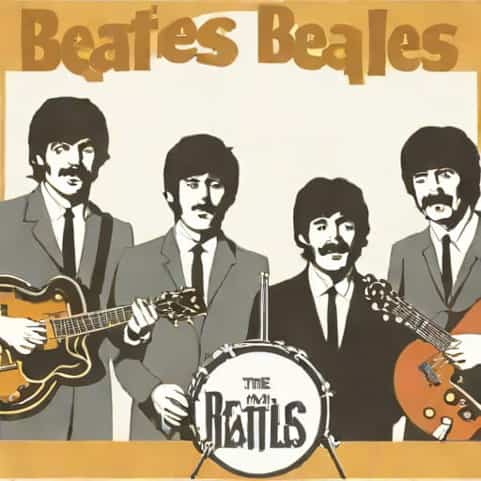
The Beatles Decca audition is one of the most infamous events in music history, often cited as a turning point that nearly altered the course of popular music. On January 1, 1962, The Beatles traveled to London to audition for Decca Records, hoping to secure a recording contract that could launch their careers on a national scale. Despite their talent, charisma, and growing popularity in Liverpool and Hamburg, the audition ended in rejection. Decca’s decision has been scrutinized and debated for decades, but it also set the stage for The Beatles’ eventual signing with EMI’s Parlophone label, where they achieved unparalleled success. Understanding the context, circumstances, and legacy of this audition offers insight into the music industry of the early 1960s and the resilience of one of the world’s most influential bands.
Background of The Beatles Before the Decca Audition
Before the Decca audition, The Beatles were already making waves in the Liverpool music scene. The lineup at the time consisted of John Lennon, Paul McCartney, George Harrison, and Pete Best on drums. The band had honed their skills during extended residencies in Hamburg, Germany, where they performed long hours in clubs, developing a tight, energetic sound. Their repertoire included rock and roll covers, R&B standards, and original compositions that showcased their developing songwriting abilities. By late 1961, The Beatles were eager to transition from local fame to national recognition, which made the Decca audition a crucial opportunity for their future.
Arranging the Decca Audition
The audition was set up by Brian Epstein, The Beatles’ manager, who had recently discovered the group and was working to secure them a recording contract. Epstein arranged for the band to play for Decca Records, one of the major labels in the UK at the time. The audition was scheduled for New Year’s Day, January 1, 1962, at Decca Studios in London. The band was nervous but determined, aware that this opportunity could determine whether they would achieve the breakthrough they needed. They prepared a set of 15 songs, mixing popular covers with a few original tunes, hoping to impress the label executives with both their versatility and energy.
The Audition Experience
The Beatles arrived at Decca Studios and performed their audition before a panel of record executives. They played a mix of songs, including Like Dreamers Do, Money (That’s What I Want), Till There Was You, and several others. The band played well, displaying tight harmonies, instrumental skill, and charisma. However, the executives reportedly found their performance unconvincing or too similar to other contemporary bands. Some accounts suggest that Decca preferred a more polished sound or thought that guitar groups would soon be replaced by solo artists. The session lasted around 30 minutes, and The Beatles left the studio hopeful but uncertain about the outcome.
Decca’s Decision
Decca Records ultimately rejected The Beatles, reportedly stating that guitar groups are on the way out and that groups with guitars have no future in recording. Instead, the label chose to sign another Liverpool band, Brian Poole and the Tremeloes. This decision has since become legendary for its shortsightedness, as The Beatles would go on to achieve global fame and revolutionize popular music. The rejection was undoubtedly disappointing for the band and Brian Epstein, but it also motivated them to continue seeking opportunities and refining their sound, demonstrating resilience that would become a hallmark of their career.
Impact on The Beatles’ Career
Although the Decca audition ended in rejection, it indirectly led The Beatles to the path that would define their careers. The rejection prompted Brian Epstein to pursue other labels, ultimately leading to a meeting with George Martin of EMI’s Parlophone. George Martin recognized The Beatles’ potential and agreed to sign them, providing the production expertise and support needed to transform their talent into commercially successful recordings. This partnership resulted in the release of Love Me Do in October 1962, which became the first step in a series of groundbreaking albums and singles that would redefine the music industry.
Lessons from the Decca Audition
The Decca audition is often cited as a lesson in persistence, timing, and the unpredictable nature of the music business. Despite the rejection, The Beatles’ dedication, professionalism, and continual improvement allowed them to achieve success elsewhere. The event also serves as a reminder that talent alone is not always enough; external factors, including industry trends, executive preferences, and timing, play significant roles in shaping careers. For aspiring musicians and fans, the story of the Decca audition highlights the importance of resilience, adaptability, and the pursuit of opportunities even in the face of setbacks.
Legacy of the Decca Audition
The Decca audition has become a legendary episode in music history, often referenced in documentaries, biographies, and retrospectives about The Beatles. It symbolizes the unpredictability of fame and the subjective nature of artistic evaluation. Today, recordings of the audition exist and offer insight into The Beatles’ early sound, including rough edges and raw energy that would later evolve into polished, iconic recordings. Music historians often analyze these tapes to understand the band’s development, the early 1960s recording industry, and how a single missed opportunity can shape the trajectory of even the most successful artists.
Public Perception and Myths
Over the years, myths and exaggerated stories about the Decca audition have circulated, adding to its mystique. Some suggest that Decca executives were incompetent or shortsighted, while others point to the band’s relative inexperience or nervousness during the session. Regardless of the precise reasons, the audition has become emblematic of a pivotal moment where a major opportunity was lost but ultimately led to an even greater outcome. The story emphasizes that setbacks in creative industries often pave the way for more significant achievements when handled with determination and strategic action.
The Beatles Decca audition remains a fascinating chapter in the band’s history, illustrating the challenges and uncertainties of breaking into the music industry. Despite being rejected by Decca Records, The Beatles leveraged the experience to secure a contract with EMI’s Parlophone label, leading to unparalleled global success. The audition highlights the importance of resilience, preparation, and strategic management in achieving career breakthroughs. Today, it serves as both a cautionary tale and an inspiring story, showing that even apparent failures can redirect talent toward extraordinary opportunities. Understanding the context, performance, and consequences of the Decca audition provides valuable insight into the early development of one of the most influential bands in music history.