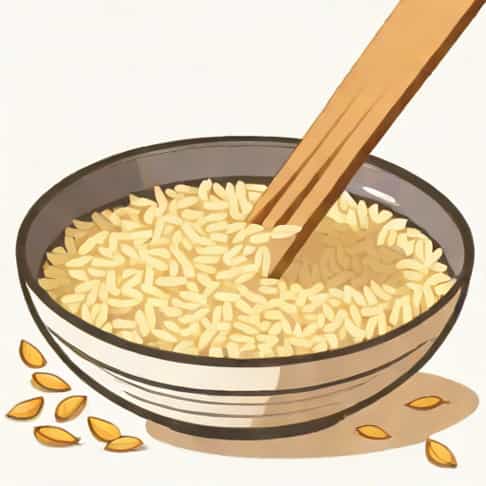
Glutinous rice, also known as sticky rice or sweet rice, is a staple ingredient in many Asian cuisines, prized for its unique sticky texture and slightly sweet flavor. It is often used in dishes such as mango sticky rice, zongzi, rice cakes, and various desserts. One of the most important steps in preparing glutinous rice is soaking it before cooking. Proper soaking ensures that the rice cooks evenly, achieves the desired sticky texture, and enhances its flavor. Many home cooks and chefs often ask, How long to soak glutinous rice? Understanding the factors that affect soaking time, the recommended durations, and best practices can help you achieve perfect results every time.
Why Soaking Glutinous Rice Is Important
Improves Texture
Soaking glutinous rice allows the grains to absorb water, which softens them and ensures even cooking. Without adequate soaking, the rice may cook unevenly, leaving some grains hard while others are overly sticky. Properly soaked glutinous rice becomes tender, chewy, and sticky-qualities that are essential for traditional dishes.
Reduces Cooking Time
Pre-soaking glutinous rice shortens the cooking time, whether you are steaming or boiling it. This is particularly important in recipes that require long cooking times, such as zongzi (sticky rice dumplings wrapped in bamboo leaves) or sticky rice puddings. Soaking minimizes the risk of undercooked rice and helps conserve energy.
Enhances Flavor
Soaking can also enhance the flavor of glutinous rice. The water absorption process allows the rice to expand and release some of its natural starches, contributing to the signature sticky texture. For certain dishes, adding a pinch of salt or coconut milk to the soaking water can subtly infuse the rice with additional taste.
Recommended Soaking Time
Standard Soaking Duration
For most glutinous rice dishes, soaking for 4 to 6 hours at room temperature is recommended. This duration allows the rice grains to fully absorb water and ensures even cooking. If you plan to cook the rice on the same day, soaking in the morning and cooking later in the afternoon works well.
Overnight Soaking
Many cooks prefer to soak glutinous rice overnight, especially when preparing large quantities or dishes that require a very soft texture. Overnight soaking, which can range from 8 to 12 hours, ensures maximum water absorption and produces exceptionally tender and sticky rice. When soaking overnight, it is best to refrigerate the rice to prevent fermentation or souring.
Quick Soaking Method
If you are short on time, glutinous rice can be soaked for at least 1 to 2 hours in warm water. While this may not produce the same level of stickiness as longer soaking, it can be sufficient for quick dishes. Some cooks also use a hot water soak of 30 to 60 minutes to speed up the process, but care must be taken not to overheat the rice, as it may affect texture.
Factors Affecting Soaking Time
Age of Rice
Older glutinous rice tends to be drier and may require longer soaking times to fully absorb water. Fresh rice usually absorbs water faster, reducing the necessary soaking period. Inspecting the rice and adjusting soaking time accordingly ensures consistent results.
Water Temperature
Soaking in cold or room temperature water typically requires longer durations, while warm water can accelerate absorption. However, using water that is too hot may start to partially cook the rice, which can affect its texture and stickiness.
Desired Texture
The final texture of the dish also influences how long you should soak the rice. For firmer sticky rice, a shorter soak may be sufficient, while recipes requiring very soft, cohesive grains benefit from longer soaking times.
Steps for Soaking Glutinous Rice
Rinse Thoroughly
Before soaking, rinse the glutinous rice under cold water several times until the water runs clear. This removes excess starch and impurities that could affect texture and flavor. Rinsing also prevents the rice from clumping together during soaking.
Measure Water Properly
Use enough water to fully submerge the rice. A common ratio is three cups of water for every cup of rice. The rice will expand as it absorbs water, so using ample water ensures even soaking.
Soak in Appropriate Conditions
Place the rinsed rice in a bowl or container and cover it with clean water. Leave the rice at room temperature for 4 to 6 hours, or refrigerate for overnight soaking. Stirring occasionally can help ensure all grains are evenly soaked.
Cooking After Soaking
Steaming Method
After soaking, drain the rice and steam it using a bamboo or metal steamer. Steaming preserves the texture and stickiness of the grains. Typically, it takes 20 to 30 minutes of steaming for soaked glutinous rice to become tender. For larger batches, check and stir occasionally to ensure even cooking.
Boiling Method
Some recipes call for boiling glutinous rice. After draining the soaked rice, boil in fresh water for 15 to 20 minutes, stirring occasionally. Drain excess water, if necessary, and allow the rice to rest for a few minutes before serving to achieve the desired stickiness.
Tips for Perfect Glutinous Rice
- Always rinse the rice thoroughly before soaking.
- Use clean, filtered water to avoid affecting taste.
- Adjust soaking time based on the age and quality of the rice.
- Do not over-soak, as rice may become too soft and mushy.
- For sweet dishes, consider soaking in lightly sweetened or coconut-infused water for added flavor.
Soaking glutinous rice is a critical step to achieve the perfect texture and flavor for a variety of traditional dishes. The recommended soaking time ranges from 4 to 6 hours at room temperature, while overnight soaking of 8 to 12 hours is ideal for maximum tenderness and stickiness. Quick soaking for 1 to 2 hours is possible but may yield slightly firmer grains. Factors such as rice age, water temperature, and desired texture should be considered when determining how long to soak glutinous rice. Proper rinsing, measuring water carefully, and choosing the right soaking method will ensure consistent results every time. By following these guidelines, cooks can enjoy beautifully prepared glutinous rice in desserts, savory dishes, and festive recipes, enhancing both flavor and presentation in every meal.