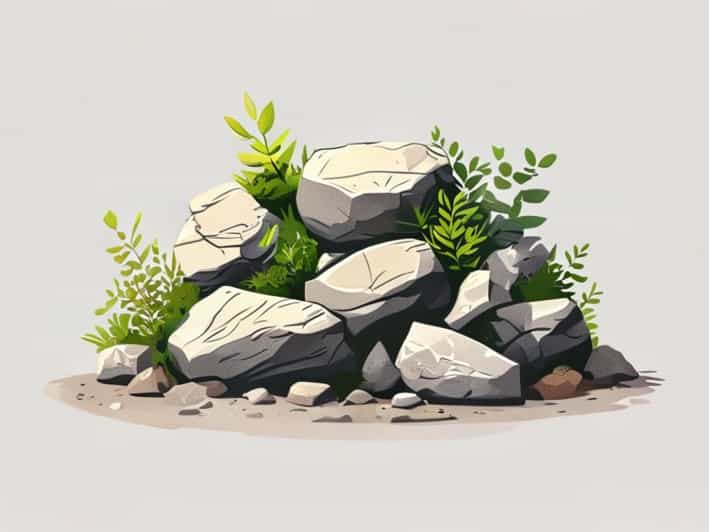
Creating a rockery in a shaded area can transform an otherwise underutilized corner of your garden into a visually appealing and tranquil feature. Unlike sunny rock gardens that rely on drought-tolerant plants and bright blooms, shaded rockeries require careful planning and plant selection to thrive in lower light conditions. By combining rocks, soil, and shade-loving plants, you can build a serene, textured landscape that adds depth and interest to your garden. Understanding how to make a rockery in shade involves selecting the right location, choosing suitable plants, arranging rocks for both aesthetics and drainage, and maintaining the feature over time.
Choosing the Right Location for a Shade Rockery
The first step in creating a rockery in shade is selecting a suitable location. Shade rockeries work best in areas with partial to full shade, such as under trees, beside tall hedges, or along the north side of buildings. It is important to consider how much sunlight the area receives during the day and the type of soil present. While shade provides a cooler environment, poor drainage or overly wet soil can cause problems, so the location should allow water to drain effectively while still offering protection from intense sun.
Assessing Soil Conditions
Soil in shaded areas is often rich in organic matter but can be compacted or prone to water retention. Before building your rockery, assess the soil type. Sandy or loamy soils with good drainage are ideal, but if your soil is heavy clay, consider amending it with compost, grit, or coarse sand to improve drainage. Proper soil preparation ensures that plants will establish well and that water will not pool around roots, which can cause rot.
Selecting Rocks for Your Shade Rockery
Rocks are the defining feature of a rockery, providing structure, height, and texture. Choosing the right rocks and arranging them thoughtfully is essential for both aesthetics and plant health.
Types of Rocks to Use
- Large boulders for anchor points and to create height.
- Medium-sized rocks for filling gaps and forming natural terraces.
- Small stones or gravel for pathways and top-dressing around plants.
- Flat stones for creating ledges or steps where plants can be positioned.
Arranging Rocks Effectively
Place larger rocks first, partially embedding them into the soil to prevent shifting. Build gentle slopes or terraces to mimic a natural hillside and improve drainage. Smaller rocks can fill gaps and create a layered effect, while gravel or pebbles provide contrast and a finished look. Avoid overly symmetrical arrangements; natural rockeries look more attractive when rocks vary in size, shape, and orientation.
Choosing Shade-Loving Plants
Plant selection is crucial for a shaded rockery. Unlike sun rockeries, shade rockeries thrive with plants that tolerate lower light levels and maintain their texture and color without direct sun.
Ideal Shade Rockery Plants
- Ferns, which add delicate, feathery foliage.
- Hostas, known for their broad leaves and low-maintenance nature.
- Heucheras, offering colorful foliage that contrasts with green rocks and moss.
- Mosses and liverworts, which can grow naturally on stones, enhancing the woodland feel.
- Shade-tolerant ground covers like ajuga or vinca, which spread and fill gaps.
- Astilbes or shade-tolerant primroses for seasonal blooms and texture variation.
Planting Techniques
When planting in a shaded rockery, dig holes slightly larger than the root ball and mix in organic compost to enrich the soil. Space plants according to their mature size, allowing room for growth. Plant taller varieties toward the back or higher terraces, with lower-growing species at the front or along the edges. This creates depth and visual interest while ensuring all plants receive adequate air circulation.
Maintaining Drainage in a Shade Rockery
Good drainage is essential in shaded areas, as excess moisture can harm many rockery plants. You can improve drainage by layering coarse gravel or small stones beneath planting areas. Raised beds or terraces can also help prevent water from pooling. Regularly check the rockery for areas where water collects and adjust rocks or soil to redirect runoff.
Adding Moss and Decorative Elements
Moss naturally thrives in shaded, damp areas and adds a soft, green carpet that complements rocks and plants. You can encourage moss growth by keeping the surface moist and avoiding foot traffic. Decorative elements like driftwood, small water features, or garden ornaments can enhance the rockery’s visual appeal without overpowering the natural look. Keep the design balanced and simple to maintain a serene, woodland atmosphere.
Regular Maintenance for a Healthy Rockery
Even a well-planned shade rockery requires regular maintenance to remain attractive and healthy. Some important maintenance tasks include
- Weeding regularly to prevent invasive plants from overtaking the rockery.
- Pruning and trimming plants to maintain their shape and prevent overcrowding.
- Checking rocks periodically to ensure they remain stable and adjusting as needed.
- Refreshing soil and adding mulch or gravel to maintain moisture balance and suppress weeds.
- Monitoring for pests or diseases that thrive in shaded, humid environments and taking appropriate action if necessary.
Design Tips for a Natural-Looking Shade Rockery
To make your shaded rockery appear natural and visually appealing, consider the following design tips
- Vary rock sizes and shapes rather than using uniform stones.
- Place plants in clusters to mimic natural growth patterns.
- Incorporate subtle curves and slopes instead of straight lines.
- Mix foliage textures and colors to create contrast and interest.
- Use moss and low ground covers to soften edges and fill gaps.
Making a rockery in shade is a rewarding way to utilize shaded areas of your garden and create a peaceful, aesthetically pleasing feature. By carefully selecting a location with adequate drainage, choosing rocks of various sizes, and planting shade-tolerant species, you can build a rockery that thrives and looks natural. Maintaining proper drainage, adding moss and decorative elements, and performing regular maintenance will ensure the rockery remains healthy and attractive over time. With thoughtful planning and creativity, a shaded rockery can become a standout feature in your garden, providing year-round texture, color, and serenity.
This topic naturally includes keywords like shade rockery, rockery plants for shade, build a rockery, and shade garden ideas, making it SEO-friendly while remaining accessible and reader-friendly.