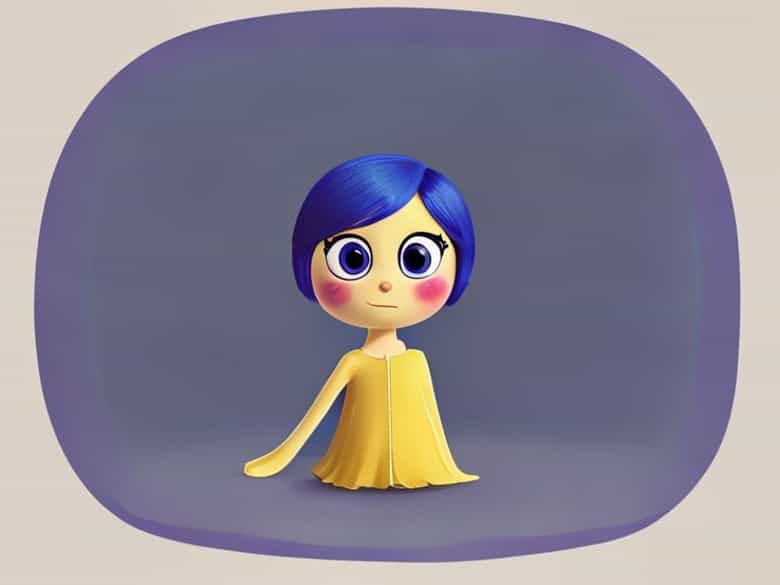
Inside Out 2 has stirred quite a bit of conversation about how woke it might be, meaning how the film handles themes of identity, social awareness, diversity, and inclusion. Since its release, audiences, critics, and viewers online have debated whether the sequel to the beloved Pixar original leans into progressive storytelling or simply focuses on the emotional life of its young protagonist. The idea of wokeness in films often revolves around representation, changing social norms, and how much a story reflects realworld issues, so looking at Inside Out 2 through that lens means examining the characters, themes, and cultural reactions that have come along with the movie. Many of the discussions around Inside Out 2 touch on whether it pushes boundaries in representation or whether its themes remain grounded in the universal experience of growing up.
Exploring Themes Emotional Complexity and Growing Up
One of the major ways people respond to Inside Out 2 is by looking at the themes the movie explores. The story follows Riley as she enters her teenage years, dealing with new emotions like Anxiety, Envy, Embarrassment, and Ennui alongside the original core emotions from the first film. These new emotional characters represent the more complex and socially influenced feelings that come with adolescence, which many see as a more nuanced approach to emotional storytelling than typical children’s entertainment. This focus on emotional development and identity contributes to discussions about how woke the film feels, because it tries to reflect the lived reality of many young people growing up today.
Emotional Representation and RealWorld Resonance
Inside Out 2 doesn’t just add new characters; it updates the emotional landscape to reflect how a teenager’s inner world might differ from that of a child. Critics and audiences have pointed out that showing anxiety, embarrassment, and other nuanced emotions resonates with viewers who have experienced similar feelings during adolescence. Some discussions frame this as socially aware storytelling because the film presents emotions often stigmatized or misunderstood, such as anxiety, in ways that encourage understanding and empathy. Exploring these emotions helps many viewers feel seen, which can be one reason people describe it as woke in the sense of acknowledging real social and psychological experiences.
Representation and Diversity Debate
Another major part of the conversation about how woke Inside Out 2 is centers on representation, particularly regarding LGBTQ+ themes. Some fans and critics hoped the film would include explicit queer representation, especially given broader conversations in society about inclusion in media. However, the final film does not clearly establish a queer character or storyline in a canonical way. Instead, some viewers interpreted Riley’s dynamic with another girl as potentially romantic, while others see it simply as friendship and social connection during adolescence. The ambiguity has led to debates about whether the movie missed an opportunity for more explicit representation.
BehindtheScenes Controversy
Reports from former Pixar employees suggest that during production there were internal discussions about making Riley seem less gay, based on concerns about representation following other films that included brief samesex moments. These reports indicate that some executives may have been cautious about including explicit LGBTQ+ content, which has fueled criticism from people who feel Inside Out 2 could have gone further in representation but did not. Whether these reports are fully accurate or reflective of wide internal policy, they have contributed to the perception among some viewers that the film is not as socially progressive as it might have been.
Public Reactions and Social Media Conversations
Outside of critical analysis, the question of Inside Out 2’s wokeness has also played out on social media. Some commenters express frustration that the movie didn’t include clearer LGBTQ+ representation, viewing this as a missed opportunity given the higher cultural conversations around inclusion in entertainment. Others argue that because the film focuses on universal themes of emotional growth and teenage experience, it shouldn’t be judged primarily on whether it meets certain social criteria. These differing viewpoints show how audiences’ interpretations can vary widely, with some people emphasizing the importance of representation and others prioritizing narrative cohesion and broad relatability.
Positive and Negative Audience Views
- Certain viewers appreciate the depth of emotional exploration and feel that Inside Out 2 reflects real adolescent struggles, which could be seen as socially sensitive storytelling.
- Some audiences wanted more explicit representation of identities such as queer characters and felt disappointed by the ambiguity or absence of these elements.
- Others enjoy the film without focusing on social debates, seeing it primarily as a continuation of the franchise that explores growing up.
These different reactions highlight how the question how woke is Inside Out 2? often depends on individual expectations about media representation and personal interpretations of what social awareness in film should look like.
The Balance Between Universal Themes and Social Messages
Another important aspect to consider is whether Inside Out 2 prioritizes entertainment and emotional resonance over explicit social messaging. Some commentators argue that the film’s focus on the inner life of a teenager and the complexities of emotions like anxiety and shame already reflects greater social awareness about mental health and identity, which are important aspects of modern storytelling. In that sense, the movie may be considered woke for treating emotional wellbeing as a serious topic worthy of thoughtful depiction rather than just comedic relief.
Navigating Cultural Expectations
At the same time, representation critics argue that important opportunities to normalize diverse identities on screen were not fully realized. While the film deals with deeply human experiences, the lack of overt representation of LGBTQ+ or other underrepresented groups has led some to see Inside Out 2 as less socially progressive than other contemporary media. This tension between meeting broad emotional narratives and addressing specific identity issues reflects a larger cultural conversation about what people want from family entertainment today, especially films that reach global audiences.
Answering the question of how woke Inside Out 2 is depends on how one defines wokeness and what aspects of the film are emphasized. On one hand, the movie explores emotional complexity, adolescence, and mental health in ways that many viewers find empathetic and socially aware, representing a more nuanced view of youth than typical animated films. On the other hand, debates around representation, particularly LGBTQ+ inclusion, show that some audiences expected the film to go further in its social messaging. Public reaction demonstrates a range of perspectives some praise its emotional depth, others critique it for not being bold enough in representation, and many simply enjoy it for continuing a beloved story about growing up. Ultimately, Inside Out 2 reflects a blend of universal themes and contemporary cultural conversations, and discussions about its wokeness underscore how animated films are increasingly part of broader societal debates about representation, identity, and storytelling today.