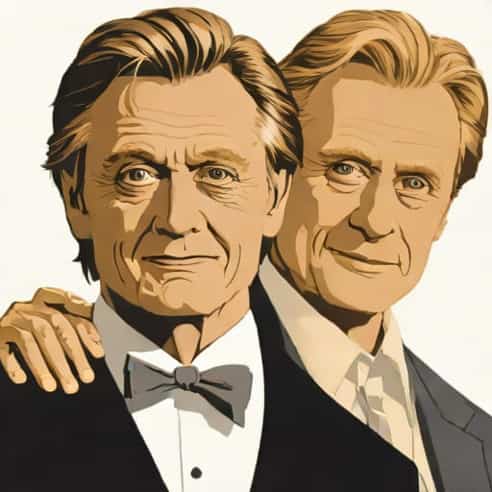
Mikhail Baryshnikov and Alexander Godunov are two of the most iconic figures in the world of ballet, renowned for their extraordinary talent, technical mastery, and dramatic stage presence. Both artists emerged from the Soviet ballet tradition, which emphasized rigorous training, discipline, and artistry, and later achieved international acclaim for their performances. While Baryshnikov is widely celebrated for his unparalleled versatility and global influence on dance, Godunov is remembered for his powerful presence, strong technique, and the dramatic tension he brought to the stage. Their careers intersected in fascinating ways, highlighting both the competitive and collaborative nature of professional ballet during a period of geopolitical tension and cultural exchange. Understanding their contributions to the art form requires exploring their early lives, training, notable performances, and the impact they had on ballet worldwide.
Early Life and Training
Mikhail Baryshnikov was born in Riga, Latvia, in 1948, and showed early promise as a dancer. He trained rigorously at the Vaganova Academy in Leningrad, one of the most prestigious ballet schools in the Soviet Union. The institution emphasized precision, strength, and expressive artistry, providing Baryshnikov with a foundation that would later propel him to international fame. His early training focused not only on classical technique but also on developing his stage presence and interpretive abilities, which became hallmarks of his career.
Alexander Godunov, born in 1949 in Yuzhno-Sakhalinsk, Russia, similarly pursued ballet at an elite Soviet institution. He trained at the Bolshoi Ballet Academy, where he was noted for his powerful physique, strong jumps, and dramatic flair. Godunov’s technique and stagecraft quickly distinguished him among his peers, leading to prominent roles within the Bolshoi Ballet Company. Like Baryshnikov, his training emphasized discipline, emotional depth, and the ability to perform demanding classical and contemporary choreography.
Rise to Prominence
Both Baryshnikov and Godunov quickly rose to prominence within the Soviet ballet system. Baryshnikov joined the Kirov Ballet (now Mariinsky Ballet) before defecting to Canada in 1974, and shortly thereafter to the United States, seeking artistic freedom and broader opportunities. His defection marked a significant moment in the Cold War cultural landscape, highlighting the allure of Western artistic freedom for Soviet artists. Once in the United States, Baryshnikov joined the American Ballet Theatre (ABT) and New York City Ballet, becoming renowned for his technical brilliance, versatility, and charismatic stage presence.
Godunov also achieved international recognition while remaining with the Bolshoi Ballet initially. His performances were celebrated for their emotional intensity, strength, and dramatic impact. Like Baryshnikov, Godunov eventually defected to the West in 1979 during a performance in the United States. His defection created a media sensation, emphasizing the personal and professional stakes faced by Soviet dancers seeking artistic freedom abroad.
Artistic Collaboration and Rivalry
While Baryshnikov and Godunov were both incredibly talented, their careers intersected in ways that reflected both collaboration and subtle rivalry. On stage, their contrasting styles were evident Baryshnikov’s elegance, fluidity, and precision complemented Godunov’s power, dramatic intensity, and bold expression. These differences made them fascinating counterparts, offering audiences a spectrum of interpretation in classical and contemporary works. In the ballet world, comparisons between the two were inevitable, yet each dancer brought unique qualities that enriched the art form and inspired countless students and fellow performers.
Notable Performances and Roles
Mikhail Baryshnikov is renowned for a wide range of roles, including his performances in Giselle, Don Quixote, The Nutcracker, and Coppélia. He also collaborated with contemporary choreographers, such as Twyla Tharp and George Balanchine, expanding the boundaries of classical ballet and modern dance. Baryshnikov’s ability to seamlessly transition between classical and contemporary repertoire showcased his versatility and creativity, making him one of the most influential dancers of his generation.
Alexander Godunov was celebrated for his roles in Swan Lake, Spartacus, and Le Corsaire, among others. His commanding stage presence and powerful technique captivated audiences and critics alike. Godunov’s performances often emphasized dramatic intensity and heroic qualities, making him a striking figure in classical ballet productions. Even after transitioning to the West, he continued to perform in major productions while also branching into film and television, demonstrating his adaptability and broad appeal.
Impact on Ballet in the West
The defection of both Baryshnikov and Godunov had a profound impact on ballet in the West. Baryshnikov’s arrival brought an infusion of technical excellence and artistic innovation to American ballet companies, inspiring new choreography and elevating performance standards. He eventually became the artistic director of the American Ballet Theatre, where he shaped the company’s repertoire and fostered the development of emerging dancers. Godunov’s defection also drew attention to the high caliber of Soviet training and performance, enhancing the global appreciation for Russian ballet techniques and artistry.
Legacy and Cultural Influence
The legacies of Mikhail Baryshnikov and Alexander Godunov extend beyond their individual performances. Baryshnikov is regarded as a transformative figure in dance, bridging classical ballet and contemporary forms while mentoring new generations of dancers. His influence extends into choreography, artistic direction, and popular culture, making him a household name worldwide. Godunov’s legacy, though sometimes overshadowed by Baryshnikov, remains significant for his dramatic intensity, technical skill, and ability to captivate audiences both on stage and on screen. Together, they represent a golden era of ballet and a remarkable period of cultural exchange between East and West.
Media and Film Contributions
In addition to their stage work, both dancers ventured into film and media. Baryshnikov appeared in films such as The Turning Point and White Nights, earning critical acclaim for his performances. Godunov also transitioned to film, starring alongside Baryshnikov in The Turning Point, which dramatized the lives of ballet dancers and brought their artistry to wider audiences. These films introduced ballet to new audiences and helped popularize the art form beyond traditional theater settings, highlighting the unique talents of both artists.
Influence on Future Generations
Mikhail Baryshnikov and Alexander Godunov have inspired countless dancers, choreographers, and artists worldwide. Their careers demonstrate the power of technical excellence, artistic dedication, and personal courage in achieving international recognition. Baryshnikov’s work as a mentor and artistic director has nurtured emerging talent, while Godunov’s performances continue to be studied and admired for their dramatic intensity and technical precision. Together, their contributions have shaped modern ballet, influencing both performance standards and creative possibilities.
The story of Mikhail Baryshnikov and Alexander Godunov reflects the intersection of artistry, personal courage, and historical context. Both dancers emerged from the rigorous Soviet ballet tradition and brought their exceptional talent to the global stage, inspiring audiences and influencing the evolution of ballet. Baryshnikov’s versatility, technical mastery, and artistic vision have made him a transformative figure in dance, while Godunov’s dramatic intensity and commanding presence have left an indelible mark on the art form. Their legacies continue to resonate through performances, mentorship, and cultural contributions, illustrating the enduring power of ballet to transcend borders, captivate audiences, and inspire new generations of artists worldwide.