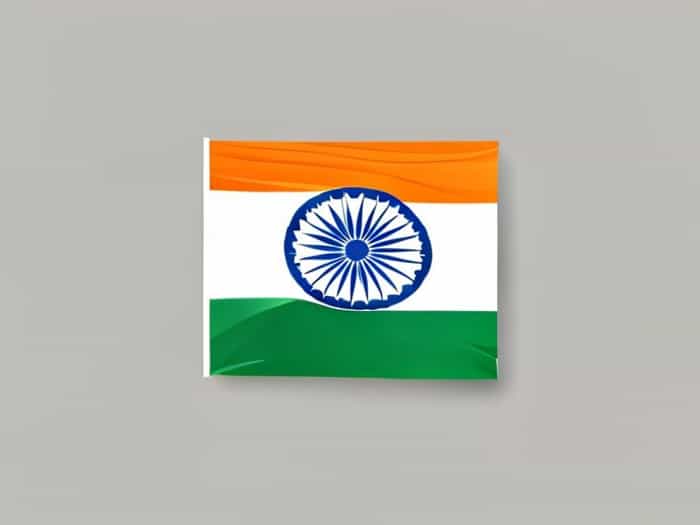
The Indian flag, also known as the Tiranga, holds a significant place in the hearts of millions of people across India and the world. Its vibrant colors, symbolic design, and historical importance make it more than just a national symbol it represents the struggle for freedom, the unity of a diverse nation, and the values that India stands for. Understanding the Indian flag involves exploring its history, design elements, symbolism, and the proper etiquette associated with it. It is a symbol that continues to inspire patriotism, pride, and respect among citizens and admirers alike.
History of the Indian Flag
The Indian flag has a rich history that reflects the country’s journey towards independence and nationhood. The first version of the flag appeared in 1906, in Calcutta (now Kolkata), featuring three horizontal stripes of red, yellow, and green. Over the years, various designs emerged as leaders and freedom fighters sought a symbol to unify the diverse Indian population. The current version of the Indian flag was officially adopted on July 22, 1947, just before India gained independence from British rule on August 15, 1947. Its design has remained unchanged since then, embodying the spirit and values of modern India.
Design and Colors
The Indian flag consists of three horizontal stripes of equal width and a navy blue Ashoka Chakra at the center of the white stripe. The top stripe is saffron, the middle is white, and the bottom is green. Each color holds deep symbolic meaning
- SaffronRepresents courage, sacrifice, and the spirit of renunciation.
- WhiteDenotes truth, peace, and purity.
- GreenSymbolizes prosperity, growth, and the fertility of the land.
The navy blue Ashoka Chakra, with its 24 spokes, is inspired by the wheel on the Lion Capital of Ashoka and represents the eternal wheel of law, righteousness, and progress. The combination of these elements reflects India’s philosophical and cultural heritage, as well as its commitment to justice and ethical governance.
Symbolism and Meaning
Every element of the Indian flag carries deep symbolism. Saffron, being the color of courage and sacrifice, reminds citizens of the dedication and bravery of those who fought for independence. White, placed at the center, serves as a guiding principle of truth, honesty, and peace, emphasizing the importance of moral integrity. Green reflects the country’s agricultural richness, natural resources, and aspirations for growth and prosperity.
The Ashoka Chakra at the center reinforces the values of justice, continuous progress, and dynamic change. Its 24 spokes symbolize the 24 hours of the day, representing the importance of constant movement and diligence. Together, these elements encapsulate the spirit of India a nation grounded in tradition, guided by principles, and aspiring towards progress.
Rules and Etiquette
The Indian flag is governed by the Flag Code of India, which outlines specific rules for its display, use, and respect. Key guidelines include
- The flag must always be hoisted in a manner that ensures it does not touch the ground.
- It should be displayed prominently on national holidays such as Independence Day and Republic Day.
- The flag must not be used for commercial purposes or as clothing or decoration.
- When displayed with other flags, the Indian flag must always occupy a position of honor and precedence.
Proper etiquette ensures that the flag is treated with the respect and dignity it deserves, reinforcing its status as a powerful national symbol.
Significance in Modern India
In contemporary India, the flag continues to serve as a source of national pride and identity. It is displayed during official ceremonies, sports events, and international functions, symbolizing unity in diversity. Citizens hoist the flag during national holidays to honor the sacrifices of freedom fighters and celebrate the country’s achievements. Beyond ceremonial use, the flag inspires social and political movements, representing ideals of justice, equality, and democracy.
Representation in Education and Culture
The Indian flag plays an essential role in education and cultural awareness. Schools conduct flag-hoisting ceremonies, teaching students about its history, symbolism, and the values it represents. Cultural events and public displays further emphasize the flag’s importance, fostering patriotism and collective identity. By incorporating the flag into educational and cultural practices, India ensures that future generations understand and appreciate the significance of the Tiranga.
Global Recognition
The Indian flag is recognized worldwide as a symbol of India’s sovereignty, heritage, and democratic principles. During international events such as the Olympics, diplomatic meetings, or United Nations gatherings, the Tiranga represents the nation’s presence and values. Its colors and the Ashoka Chakra are instantly identifiable, conveying India’s rich history and cultural identity to a global audience. The flag serves as a bridge between India and the world, symbolizing both national pride and international respect.
Inspiration and Unity
One of the most profound aspects of the Indian flag is its ability to inspire unity among diverse communities. India is home to numerous languages, religions, and cultures, and the flag serves as a common emblem that transcends regional and social differences. It reminds citizens of their shared history, collective aspirations, and the responsibilities that come with freedom. During times of national triumph or crisis, the flag becomes a rallying point, strengthening communal bonds and reinforcing the principles of democracy and equality.
The Indian flag is much more than a combination of colors and symbols; it is a living representation of India’s history, values, and aspirations. From its historical evolution to its present-day significance, the Tiranga embodies courage, truth, prosperity, and justice. Observing the proper etiquette, understanding its symbolism, and respecting its presence enriches the national experience for citizens and admirers alike. As a symbol of unity, pride, and inspiration, the Indian flag continues to hold a cherished place in the hearts of millions, reminding the world of India’s vibrant identity and enduring spirit.