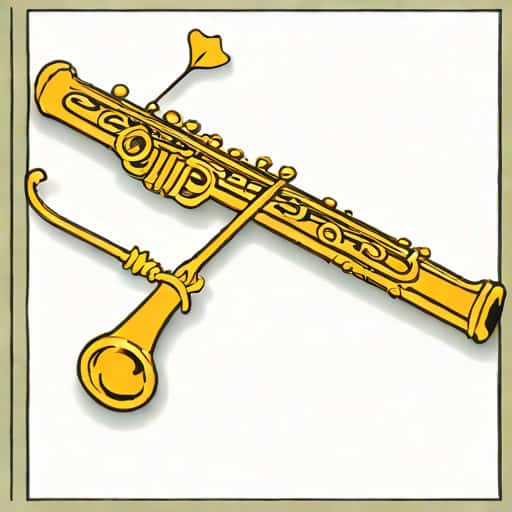
Nancy Toff’s The Flute Book is widely regarded as an essential resource for both aspiring flutists and seasoned musicians seeking to deepen their understanding of the instrument. This comprehensive guide delves into the history, mechanics, and performance techniques of the flute, offering valuable insights that blend musicology with practical instruction. Unlike standard method books that focus solely on exercises and repertoire, Toff’s work situates the flute within a broader musical and historical context, making it both educational and enriching. Students, teachers, and professional performers alike have found this book indispensable for understanding the nuances of flute playing, from tone production to articulation and beyond. The depth and accessibility of the content make it suitable for a wide audience, whether one is beginning their journey with the flute or refining advanced skills.
Author Background
Nancy Toff is a respected music historian, educator, and flutist who brings a unique combination of scholarly insight and practical experience to her writing. Her expertise in the flute and its history allows her to create a book that is both authoritative and approachable. Toff has conducted extensive research into the evolution of the flute, its repertoire, and the techniques employed by virtuoso players across centuries. This depth of knowledge ensures that readers gain a well-rounded understanding of the instrument that goes beyond mere technique. Her passion for the flute and dedication to education shine through in every chapter, making The Flute Book a trusted reference in academic and performance settings.
Overview of the Book
The Flute Book is organized into several sections that cover different aspects of flute playing and history. It begins with a detailed exploration of the instrument’s evolution, tracing the development of the flute from early wooden instruments to modern metal flutes. Toff explains the influence of key historical periods on flute design and technique, allowing readers to appreciate how music history and technological advances have shaped the instrument’s capabilities. She then delves into the mechanics of playing, including posture, breathing, embouchure, and finger technique, providing both explanations and practical advice. Throughout the book, historical anecdotes and references to notable flutists enrich the material, connecting theory to real-world practice.
Key Sections and Features
- Historical ContextCovers the development of the flute from ancient times to the modern era, including major changes in design, materials, and playing styles.
- Performance TechniquesOffers guidance on tone production, articulation, breath control, and fingerings, essential for both beginners and advanced players.
- Repertoire InsightsDiscusses significant works for the flute, highlighting their historical and musical importance, and providing context for performance interpretation.
- Famous FlutistsProfiles of influential players who shaped flute performance, offering inspiration and examples of stylistic approaches.
- Practical ExercisesIncludes technical exercises and practice tips that help players improve proficiency and musicality.
Historical Significance of the Flute
One of the strengths of Toff’s book is its thorough treatment of the flute’s historical significance. She explores how the instrument evolved over centuries and how changes in design influenced musical possibilities. For instance, the addition of keys and the transition from wooden to metal flutes expanded the instrument’s range and versatility, enabling new styles of music and complex compositions. By understanding this historical context, flutists can better appreciate the music they perform and make informed interpretive choices. Toff also examines the cultural and social roles of flutes in different eras, highlighting their presence in orchestras, chamber music, and solo performance settings.
Technique and Instruction
The book provides comprehensive guidance on essential flute techniques. Topics include proper posture, breath support, embouchure formation, articulation methods, and finger dexterity. Toff emphasizes the importance of mindful practice, encouraging players to focus on tone quality and musical expression in addition to technical proficiency. Exercises in the book are designed to address common challenges faced by flutists, such as achieving a consistent sound across registers and mastering complex fingerings. By combining historical insight with practical instruction, Toff ensures that readers not only understand how to play the flute but also why certain techniques developed and how they contribute to musical expression.
Repertoire and Performance Tips
Toff’s discussion of flute repertoire is another notable feature of the book. She introduces readers to significant compositions from different periods, explaining stylistic considerations and interpretive challenges. From Baroque sonatas to contemporary works, the book highlights pieces that have shaped the flute’s role in classical music. Practical performance tips accompany these discussions, helping readers approach the music with both technical and artistic understanding. This section is valuable for students preparing for recitals, auditions, or professional performances, as it offers guidance on how to approach various musical styles authentically and expressively.
Influence of Notable Flutists
Throughout the book, Toff highlights the contributions of renowned flutists who have influenced playing techniques and performance practice. Profiles include historic figures such as Jean-Pierre Rampal and Julius Baker, whose interpretations set standards for modern flutists. By learning about their approaches and innovations, readers gain insight into different stylistic traditions and can incorporate aspects of these techniques into their own playing. This section also serves as inspiration for aspiring musicians, demonstrating how dedication and artistry can impact both personal development and the wider musical community.
Educational Value
The Flute Book is not only useful for individual players but also serves as an excellent resource for teachers and music students. Its comprehensive coverage of history, technique, and repertoire makes it suitable for classroom use, offering both foundational knowledge and advanced insights. Teachers can use it to structure lessons, design practice routines, and provide students with historical context that enriches their musical understanding. Students benefit from the detailed explanations, exercises, and interpretive guidance, which collectively support skill development and musical growth. The book bridges the gap between scholarly research and practical application, making it an essential tool in flute education.
Practical Tips for Flutists
- Focus on breath control and embouchure to maintain consistent tone quality across different registers.
- Use historical examples to inform stylistic decisions and performance interpretation.
- Incorporate exercises from the book into daily practice to build technical proficiency and musical expression.
- Listen to recordings of notable flutists to understand stylistic nuances and performance traditions.
- Balance technical practice with musical exploration to cultivate both skill and artistry.
Nancy Toff’s The Flute Book stands out as a comprehensive, authoritative, and accessible guide for anyone interested in the flute. By combining historical research, practical instruction, repertoire analysis, and insights into influential flutists, the book offers a holistic approach to learning and understanding the instrument. It equips readers with both technical skills and contextual knowledge, enhancing their musical performance and appreciation. Whether used by students, teachers, or professional musicians, The Flute Book remains a vital resource for developing a deep connection with the flute. Its balance of education and inspiration ensures that it will continue to be a valuable reference for flutists around the world, fostering both technical excellence and artistic growth.