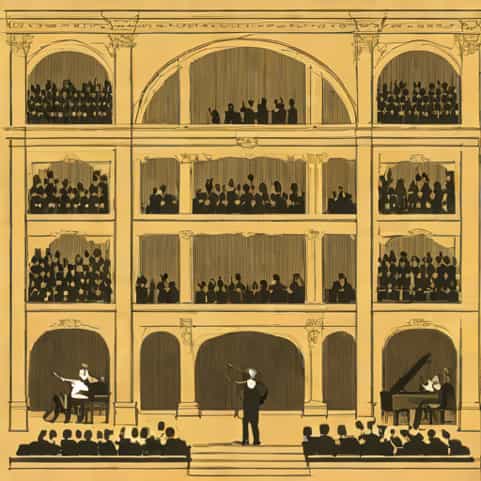
Preparing for an audition at the New England Conservatory is both exciting and nerve-wracking. Known as one of the most prestigious music schools in the United States, NEC has shaped generations of musicians who go on to perform and teach around the world. One of the most important aspects of the audition process is selecting and mastering your repertoire. Whether you are applying for classical performance, jazz studies, or another program, the choice of audition repertoire can determine how well you showcase your strengths as a musician. Understanding the expectations and planning carefully can give you the confidence to perform at your very best.
Understanding the Role of Audition Repertoire
Audition repertoire is more than just a list of pieces to perform. It is your opportunity to show technical ability, interpretive skills, and artistic voice. The New England Conservatory audition repertoire is designed to evaluate not only your talent but also your potential to thrive in a demanding conservatory environment. Choosing pieces that align with the guidelines while also highlighting your individuality is key to standing out.
General Guidelines for NEC Auditions
While specific requirements vary by instrument and program, there are general expectations for all applicants
- Perform a variety of styles and periods to demonstrate versatility.
- Include technically demanding passages that display control and precision.
- Balance lyrical works with virtuosic or rhythmically complex selections.
- Prepare pieces completely-unfinished or rushed repertoire can make a poor impression.
- Memorization is often required for certain instruments, particularly voice and piano.
Applicants are encouraged to consult the official NEC audition repertoire requirements for their instrument, but understanding these broad principles will help shape a balanced program.
Instrument-Specific Repertoire Expectations
Each instrument has unique traditions and technical challenges. The New England Conservatory audition repertoire reflects these differences, ensuring applicants demonstrate mastery of essential skills.
Strings
For violin, viola, cello, and double bass, the repertoire usually includes
- A movement from a standard concerto, such as Beethoven, Brahms, or Mozart.
- A movement from an unaccompanied work, often Bach solo sonatas or partitas.
- An étude or caprice, such as Paganini or Popper, to show technical proficiency.
Piano
Pianists are often asked to prepare
- A prelude and fugue from J.S. Bach’sWell-Tempered Clavieror a similar contrapuntal work.
- A complete classical sonata movement by composers like Mozart, Beethoven, or Haydn.
- A Romantic or Impressionist work, such as Chopin, Liszt, Debussy, or Ravel.
- A 20th or 21st-century piece that shows contemporary technique.
Voice
Singers must usually present
- An aria from opera or oratorio, often in Italian, German, or French.
- An art song that demonstrates expressive phrasing and language skills.
- A contrasting piece in English to highlight diction and interpretation.
Jazz Studies
For jazz applicants, the audition may involve
- Performing standard repertoire from the American songbook.
- Demonstrating improvisation over chord changes.
- Presenting original compositions or arrangements.
- Showing technical command of scales, arpeggios, and rhythmic fluency.
Brass and Woodwinds
Brass and woodwind players often need to prepare
- A concerto or solo piece from the core repertoire.
- Orchestral excerpts that highlight precision and ensemble skills.
- An étude or technical study demonstrating flexibility and tone quality.
How to Select the Best Pieces
Choosing your audition repertoire can be overwhelming. To make the process easier, consider these strategies
- Work closely with your teacher to identify pieces that suit your strengths.
- Select repertoire that challenges you but is also achievable at a high level.
- Avoid overly ambitious works that risk being underprepared.
- Pick contrasting styles to highlight your musical range.
- Think about pieces that excite you-passion shows in performance.
Preparation Strategies
Once your repertoire is chosen, disciplined preparation is crucial. Here are some proven methods
Create a Timeline
Break down your preparation into stages. Focus on note accuracy first, then phrasing, interpretation, and finally performance polish. Spreading practice across months rather than weeks avoids last-minute panic.
Practice Performance
Simulate the audition environment by performing your program in front of family, friends, or teachers. This helps you gain confidence and manage nerves.
Record Yourself
Listening back to recordings can reveal details you might miss while playing. This is especially useful for checking balance, dynamics, and consistency.
Focus on Weak Spots
Identify the most challenging passages in your audition repertoire and spend extra time on them. Breaking difficult sections into smaller units can make progress faster.
Managing Audition Day Stress
Even with the best preparation, audition day nerves are normal. To handle stress effectively
- Arrive early to acclimate to the environment.
- Warm up gradually rather than rushing through scales.
- Bring water, snacks, and any necessary sheet music or documents.
- Use breathing techniques to calm nerves before stepping on stage.
- Remember that adjudicators want you to succeed-they are looking for potential, not perfection.
What Judges Look For
At the New England Conservatory, audition panels consider more than just flawless execution. They listen for
- Technical precision and mastery of the instrument.
- Musical expression and personal interpretation.
- Stylistic awareness appropriate to each piece.
- Stage presence and confidence.
- Potential for growth during conservatory training.
The New England Conservatory audition repertoire is your gateway to one of the most respected music institutions in the world. Selecting the right pieces, preparing thoroughly, and presenting yourself with confidence can make the difference between a stressful experience and a rewarding opportunity. Remember that every applicant is on their own musical journey, and your repertoire should reflect your unique voice as an artist. By focusing on both technical and expressive elements, you can step into your audition ready to make a lasting impression. The effort and dedication you invest in this process will not only prepare you for the NEC audition but also strengthen your musicianship for years to come.