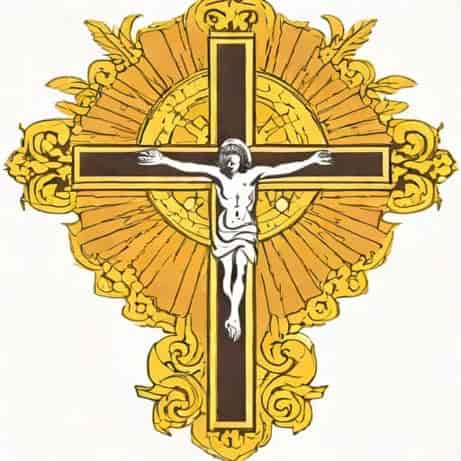
The Novena to the Exaltation of the Holy Cross is a powerful devotional practice in the Catholic tradition that honors the cross on which Jesus Christ was crucified. This nine-day prayer reflects deep reverence for the sacrifice of Christ and the profound spiritual significance of the Holy Cross as a symbol of salvation, hope, and redemption. Catholics around the world participate in this novena to grow in faith, seek divine guidance, and strengthen their spiritual connection with God. The devotion is typically observed in the days leading up to the Feast of the Exaltation of the Holy Cross, celebrated on September 14, and serves as a time for reflection on the mystery of Christ’s passion and the transformative power of His sacrifice. By engaging in this novena, the faithful are encouraged to meditate on the virtues of patience, humility, and love, while entrusting their intentions to the mercy of God through the intercession of the Holy Cross.
History and Significance of the Holy Cross
The Holy Cross has long held a central place in Christian devotion. According to tradition, the True Cross, on which Jesus was crucified, was discovered by Saint Helena, the mother of Emperor Constantine, in the fourth century. The Exaltation of the Holy Cross, therefore, commemorates both the discovery of the relic and the triumph of the cross as a symbol of Christ’s victory over sin and death. The novena associated with this feast invites believers to meditate on the spiritual meaning of the cross in their daily lives, recognizing it as a source of strength, comfort, and hope during trials.
Theological Meaning of the Cross
The cross represents more than the physical instrument of Christ’s suffering; it embodies the central mystery of the Christian faith-redemption through sacrifice. By contemplating the cross during the novena, the faithful are reminded of Jesus’ love, His obedience to the will of the Father, and the ultimate victory of life over death. This meditation encourages spiritual growth, prompting believers to embrace selflessness, forgiveness, and the courage to endure personal trials with faith. The novena to the Exaltation of the Holy Cross serves as a structured way to reflect on these theological truths and integrate them into everyday life.
Structure of the Novena
The novena consists of nine consecutive days of prayer, typically including specific intentions, readings, or reflections that guide the participant in meditating on the significance of the Holy Cross. Each day of the novena builds upon the previous, deepening spiritual insight and fostering a sense of continuity in prayer. The prayers often begin with an invocation to the cross, followed by petitions for personal needs, the needs of others, and the universal Church. Many devotions also include recitation of the Our Father, Hail Mary, and Glory Be, along with particular prayers that honor the cross.
Daily Themes and Reflections
- Day 1Meditation on the power of Christ’s sacrifice and the love demonstrated through His crucifixion.
- Day 2Reflection on humility and obedience exemplified by Jesus on the cross.
- Day 3Contemplation of forgiveness and mercy, inspired by Christ’s words of pardon from the cross.
- Day 4Focus on perseverance and patience amid suffering.
- Day 5Gratitude for redemption and the hope offered by the resurrection.
- Day 6Prayer for guidance to embrace personal crosses and challenges.
- Day 7Reflection on the communal nature of suffering and support within the Christian community.
- Day 8Meditation on love for God and neighbor as inspired by Christ’s sacrifice.
- Day 9Final offering of intentions, thanksgiving, and commitment to live according to the teachings of Christ.
Each day’s reflection encourages the faithful to internalize the spiritual lessons of the cross and apply them to personal and communal life.
Spiritual Benefits of the Novena
Participating in the novena to the Exaltation of the Holy Cross offers numerous spiritual benefits. The practice strengthens faith, encourages deeper prayer life, and promotes reflection on the mysteries of Christ’s passion and resurrection. By meditating on the cross daily, participants are reminded of the redemptive power of suffering and the importance of aligning their lives with God’s will. The novena also fosters a sense of spiritual solidarity with other believers, uniting the Church in prayer and devotion during this solemn period.
Personal Transformation
Through consistent prayer and meditation, the novena can lead to personal transformation. Participants often experience increased patience, humility, and empathy. The act of dedicating nine days to focused reflection nurtures spiritual discipline and provides an opportunity to entrust personal intentions to God. By engaging deeply with the symbolism of the cross, believers can confront personal weaknesses, embrace forgiveness, and cultivate a more Christ-centered life. Many find that the novena strengthens their resilience, helping them navigate life’s challenges with faith and hope.
Practical Ways to Participate
There are several ways to engage in the Novena to the Exaltation of the Holy Cross, whether individually or in a group setting. Participants may choose to pray at home, in a church, or within a community group. Using a novena booklet or following structured daily reflections can provide guidance, particularly for those new to this devotion. Additionally, integrating scriptural readings, hymns, and personal meditation can enhance the spiritual experience.
Suggested Practices
- Light a candle as a symbol of Christ’s presence during each day of the novena.
- Recite the specific daily prayers, followed by the Our Father, Hail Mary, and Glory Be.
- Reflect on a scripture passage related to the passion, death, or resurrection of Jesus.
- Offer personal intentions for oneself, family, and the wider community.
- Keep a journal to record spiritual insights and reflections during the nine days.
These practices help believers maintain focus, deepen their understanding, and foster a meaningful connection with the mystery of the cross.
Integration into Liturgical Life
The novena to the Exaltation of the Holy Cross complements the liturgical calendar, culminating in the Feast of the Exaltation of the Holy Cross on September 14. This feast celebrates both the discovery of the True Cross by Saint Helena and the broader significance of the cross in Christian life. Churches may hold special Masses, processions, and public prayers during this period, providing additional opportunities for communal devotion. The novena enriches these celebrations by preparing participants spiritually and encouraging reflection on the deeper meaning of the feast.
Connection with Other Devotions
The novena to the Exaltation of the Holy Cross can be integrated with other Catholic devotions, such as the Stations of the Cross, the Rosary, or Eucharistic adoration. Combining these practices fosters a comprehensive spiritual experience, helping participants contemplate both the suffering and triumph of Christ. This holistic approach enhances understanding, reinforces faith, and encourages living a life rooted in the teachings of Jesus.
The Novena to the Exaltation of the Holy Cross is a rich and meaningful devotional practice that invites believers to meditate on the profound significance of Christ’s sacrifice. By reflecting on naughtiness, seeking forgiveness, and receiving the engrafted word of the cross with meekness, the faithful are called to embrace spiritual growth, humility, and love for God and neighbor. The nine-day structure provides an opportunity for daily prayer, reflection, and the offering of intentions, leading to personal transformation and deeper communion with God. As a preparation for the Feast of the Exaltation of the Holy Cross, this novena strengthens the spiritual life of participants, fosters resilience in times of trial, and highlights the enduring power of the cross as a symbol of hope, redemption, and divine love. Engaging in this devotion allows individuals to internalize the lessons of Christ’s passion, develop virtues such as patience and humility, and commit to a life guided by faith and moral integrity.