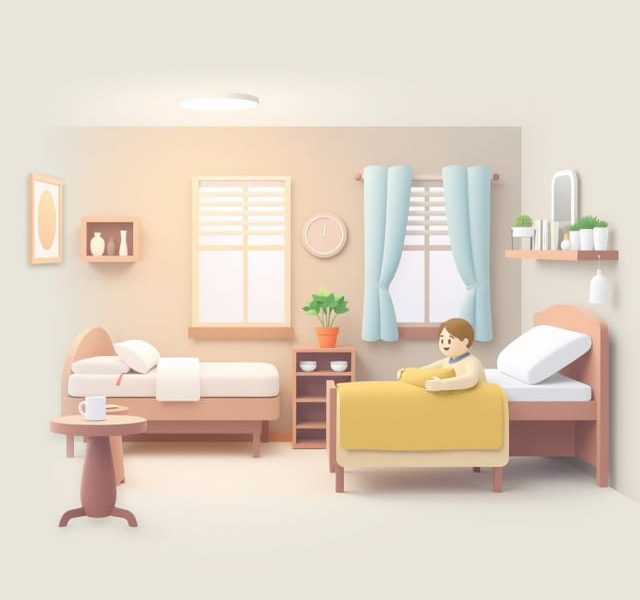
Creating a homelike environment in nursing homes is essential for enhancing the well-being and quality of life of residents. Many elderly individuals face emotional and psychological challenges when transitioning to long-term care facilities, often feeling disconnected from their previous homes. A nursing home that prioritizes a homelike atmosphere helps residents feel more comfortable, secure, and valued. This topic explores the importance of a homelike environment, key elements that contribute to it, and how such settings improve the overall experience for nursing home residents.
The Importance of a Homelike Environment in Nursing Homes
Living in a nursing home can be a significant adjustment, especially for older adults accustomed to their own homes and routines. The unfamiliar setting, strict schedules, and institutional feel can contribute to stress, loneliness, and even depression. A homelike environment aims to reduce these negative feelings by providing a space that feels warm, welcoming, and personal.
Research shows that residents who feel at home in their nursing facility often have better mental health, engage more socially, and experience improved physical health outcomes. This environment supports autonomy and dignity, empowering residents to maintain a sense of identity and control over their daily lives.
Key Elements of a Homelike Environment
Personalization of Living Spaces
Allowing residents to personalize their rooms with familiar items such as photos, favorite furniture, or keepsakes makes a nursing home feel more like home. Personal touches help trigger positive memories and create a comforting atmosphere.
Comfortable and Inviting Décor
Use of warm colors, soft lighting, and comfortable furniture helps create a cozy, non-institutional atmosphere. Avoiding harsh fluorescent lights and sterile environments contributes to a relaxed and friendly space.
Small-Scale, Home-Style Design
Nursing homes designed with smaller living units or household models rather than large institutional wings encourage community and familiarity among residents. This layout promotes social interaction and reduces the feeling of being in a large, impersonal facility.
Access to Outdoor Spaces
Gardens, patios, and walking paths provide residents with opportunities to enjoy nature, get fresh air, and engage in light physical activity. Outdoor spaces also promote relaxation and mental well-being.
Flexible Schedules and Routines
Rigid institutional schedules can make residents feel like they have lost autonomy. Allowing flexibility in meal times, activities, and personal care supports residents’ preferences and helps maintain a sense of control.
Social and Recreational Activities
Organizing regular social events, hobbies, and group activities fosters a sense of community and combats loneliness. Encouraging participation in activities residents enjoy helps them stay engaged and active.
The Role of Staff in Creating a Homelike Environment
Staff behavior and attitudes significantly impact how homelike a nursing home feels. Caregivers who treat residents with respect, kindness, and empathy contribute to a supportive environment. Building personal relationships, knowing residents’ preferences, and involving families in care planning also enhance the home-like feel.
Staff training focused on person-centered care encourages caregivers to prioritize residents’ dignity, autonomy, and individual needs, moving away from task-oriented approaches typical of institutional settings.
Benefits of a Homelike Environment for Residents
- Improved Mental HealthReduced anxiety, depression, and feelings of isolation.
- Enhanced Physical HealthIncreased mobility and participation in activities help maintain physical function.
- Greater Social EngagementOpportunities for meaningful interactions with peers and staff.
- Preservation of IdentityMaintaining personal routines and environment supports self-esteem and dignity.
- Better Overall Quality of LifeResidents report higher satisfaction and comfort.
Challenges in Implementing a Homelike Environment
Despite the clear benefits, creating a homelike environment in nursing homes can be challenging. Budget constraints, staffing shortages, and regulatory requirements sometimes limit flexibility in design and care practices. Institutional policies may prioritize safety and efficiency over personalization and autonomy, making it difficult to balance care standards with resident preferences.
However, many facilities are adopting innovative models and person-centered care approaches to overcome these barriers and prioritize resident well-being.
Examples of Successful Homelike Nursing Home Models
Some nursing homes implement Green House or Household models, which emphasize small community living with private rooms and shared common areas resembling a home. These models focus on empowering residents and staff, allowing for more personalized care and social connections.
A nursing home that fosters a homelike environment plays a crucial role in promoting emotional, social, and physical well-being for its residents. Personalizing living spaces, encouraging autonomy, and supporting social engagement are key components that make a nursing home feel like home. While challenges exist, ongoing efforts to implement person-centered care and innovative designs continue to transform nursing homes into welcoming places where older adults can live with dignity and comfort. Prioritizing a homelike environment benefits not only the residents but also their families and care staff, creating a healthier and more supportive community overall.